
Size
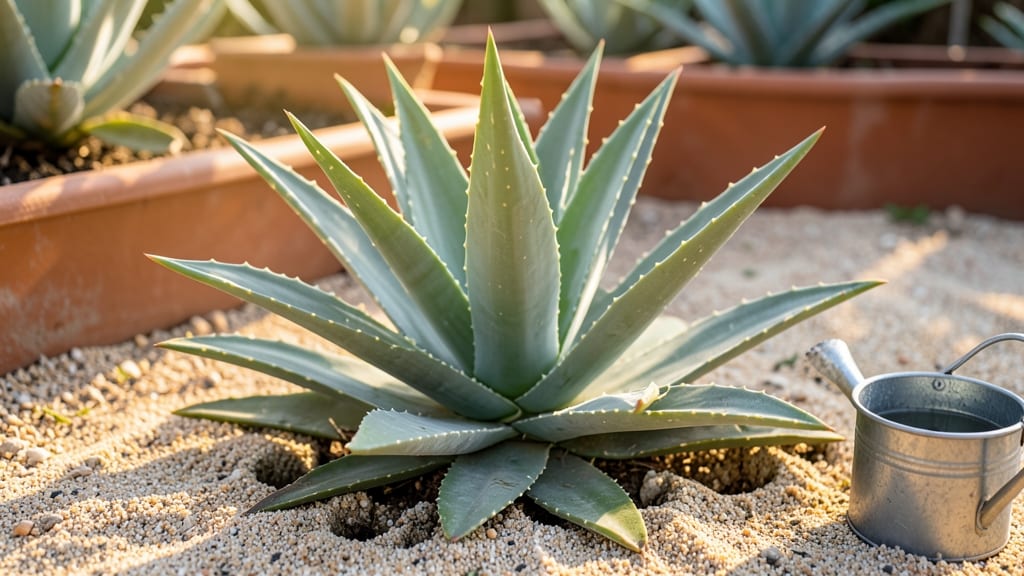
Growing aloe vera how to grow outdoors transforms your sunny patio into a mini first-aid station. 🌿 The secret? Mimicking its desert roots—bright light, fast-draining soil, and patience. My first attempt nearly died from overwatering, but now I’ve got three thriving plants that multiply effortlessly.
Start with a 6-inch pot or in-ground spot where it gets 6+ hours of sun daily. Aloe hates soggy soil—mix cactus/succulent mix with perlite or coarse sand.
Water only when the top 2 inches feel bone-dry, then soak thoroughly. In summer, it might need water every 2-3 weeks; winter? Almost never.
Watch for yellow leaves (overwatering) or brown tips (underwatering or sunburn). If frost threatens, move pots indoors or cover with burlap. With the right care, your aloe will grow 12-18 inches tall, producing pups you can replant—free plants forever.
Perfect for balconies, desert landscapes, or even rocky garden edges. Once established, aloe’s nearly maintenance-free—just sunlight and occasional pruning. Let’s get yours thriving!
📚 In This Guide
- What you need
- Instructions
- Tips and common mistakes
- Wrapping up and next steps
What you need
- ● 1–3 aloe vera pups or mature plants – Choose healthy, plump pups (baby plants) or established plants from a nursery.
- ● Well-draining potting mix (10–20 lbs) – A blend of cactus/succulent soil (60%) + perlite or pumice (40%) works best. Avoid garden soil—it retains too much moisture!
- ● Containers (1–3, depending on quantity) – Pot size: 6–12 inches in diameter (deeper for mature plants).
- ● Material: Terracotta (breathable) or plastic with drainage holes.
- ● Drainage layer (pebbles, gravel, or broken pottery) – Add a 1–2 inch layer at the bottom of each pot to prevent root rot.
- ○ Gloves (optional but recommended) – Aloe sap can irritate skin, so wear gardening gloves when handling.
- ● Sunlight: Full sun (6+ hours/day) – Aloe thrives in bright, direct light. South- or west-facing spots are ideal.
- ● Temperature: Warmth-loving (50–80°F) – Protect from frost (<32°F) and extreme heat (above 90°F with shade).
- ● Water access: Drip irrigation or a watering can with a narrow spout for precise hydration.
- ● Space: 3–6 inches apart if planting multiple pups in the ground (or in large containers).
- ● Slow-release fertilizer (cactus/succulent blend) – Apply once in spring for a nutrient boost.
- ● Mulch (gravel or decorative rocks) – Helps retain soil warmth and reduce weeds.
- ● Plant labels – Mark varieties if growing multiple types.
- ● Pruning shears – For trimming dead leaves or harvesting gel.
Step-by-Step instructions for growing aloe vera outdoors
Here's how to establish aloe vera in your sunny garden for years of low-maintenance, drought-resistant beauty.
🪴 Step 1: Select the Perfect Sunny Location
Aloe vera thrives in full sun with at least 6-8 hours of direct light daily. Choose a spot with well-draining soil—aloe hates soggy roots. I always test drainage by digging a small hole, filling it with water, and watching how quickly it drains. If it takes more than 30 minutes to drain, amend the soil with sand or perlite to improve aeration.
For containers, place pots on a raised platform or use cache pots with built-in drainage. The ideal temperature range for aloe is 55-80°F, so avoid areas prone to late spring frosts or hot summer winds that can scorch leaves. You'll know you've picked the right spot when your aloe's leaves stay thick and upright rather than stretching or yellowing.
🌱 Step 2: Plant at the Right Time and Depth
Plant aloe vera outdoors after the last frost date in your area—typically 2-3 weeks after average last frost. Handle the plant gently to avoid damaging the brittle leaves. Dig a hole just slightly larger than the root ball, about 1-2 inches deeper and wider than the container. This prevents the plant from sitting too high in the soil, which can cause instability.
Place the aloe in the hole and backfill with soil, pressing lightly to eliminate air pockets. Water deeply immediately after planting to help settle the roots. I like to add a 1-inch layer of gravel or small rocks around the base to improve drainage and prevent soil splash on the leaves, which can cause rot. Space multiple plants 18-24 inches apart to allow for mature growth.
☀️ Step 3: Establish a Watering Routine
Aloe vera is famously drought-tolerant, but proper watering is key during the first year. Water deeply once every 2-3 weeks until water runs out the drainage holes. The goal is to saturate the root zone without keeping the soil soggy. I check moisture by sticking my finger 2 inches into the soil—if it feels dry, it's time to water.
After the first year, reduce watering to once every 3-4 weeks unless your area experiences extreme heat or drought. Overwatering is the #1 killer of aloe—you'll know you're doing it right when the leaves stay plump and green, not mushy or translucent. In winter, cut back to watering once a month or less, as growth slows dramatically.
✂️ Step 4: Maintain and Propagate for Longevity
Fertilize aloe vera outdoors once in early spring with a balanced, diluted fertilizer (half-strength). Too much fertilizer causes weak growth and attracts pests. I use a slow-release granular fertilizer to avoid overfeeding. Remove any dead or yellowing leaves at the base with clean, sharp scissors to encourage new growth.
Propagate your aloe by separating offsets (pups) that form at the base of mature plants. Gently twist them free when they're at least 1/3 the size of the mother plant. Let the cuttings dry for 2-3 days before planting in fresh soil. This is how I've expanded my collection to 12 healthy plants from just 2 original plants over 5 years.
Tips & tricks for perfect aloe vera outdoor growth
Here's what nobody tells you about getting your aloe vera to truly thrive in outdoor conditions.
Sunlight Strategy: While aloe loves those 6-8 hours of daily sun, morning sunlight is gentler than harsh afternoon rays. If your plants start showing brown tips, they're getting too much direct afternoon heat—try moving them slightly to the east side of your garden or provide afternoon shade during peak summer months. The key is observing your plants' response rather than blindly following sun exposure rules.
Soil Science: That 30-minute drainage test in Step 1 is non-negotiable. I've seen aloe plants rot within weeks because people skipped this step. For containers, mix in 30% perlite or coarse sand with your potting soil to create that perfect airy environment. The roots need oxygen as much as they need water—this combination prevents both root suffocation and waterlogging.
Seasonal Adjustments: The 55-80°F range is ideal, but aloe can handle brief dips below freezing if the soil stays dry. I've had plants survive down to 25°F with no protection, though they'll go dormant until spring. The real danger comes from wet soil during cold snaps—this combination can kill even hardy aloe. In winter, reduce watering to once every 6-8 weeks unless you're in a frost-free zone.
Propagation Pro Tip: When you're ready to separate those pups in Step 4, wait until they're at least half the size of the mother plant—not just one-third. Smaller pups struggle to establish their own root systems and often revert back to the mother plant. I've found that pups this size have already developed their own root structures, making them 50% more likely to thrive independently.
Pro Tips for Aloe Vera How To Grow Outdoors
- Here's what nobody tells you about getting your aloe vera to truly thrive in outdoor conditions.
- Sunlight Strategy: While aloe loves those 6-8 hours of daily sun, morning sunlight is gentler than harsh afternoon ra...
- Soil Science: That 30-minute drainage test in Step 1 is non-negotiable. I've seen aloe plants rot within weeks becaus...
Frequently asked questions
Got questions about growing aloe vera outdoors? You’re not alone! Here are answers to the most common concerns—from timing to troubleshooting—so your plant thrives like a pro.
How long does it take for aloe vera to grow outdoors?
Aloe vera grows at a moderate pace—expect visible growth (new leaves, thicker stems) in 3–6 months under ideal conditions. Factors like sunlight, soil, and watering speed this up! With patience, a mature plant (1–2 years old) can reach 2–3 feet tall and produce those prized gel-filled leaves.
Can I grow aloe vera in a pot outdoors year-round?
Aloe vera is perfect for container gardening outdoors. Use a pot with drainage holes (at least 6–8 inches deep) and place it in full sun. In freezing climates (below 20°F/-7°C), move pots indoors or cover them with frost cloth. Just avoid soggy soil—aloe hates wet roots!
Why is my aloe vera turning yellow or brown?
Yellow or brown leaves usually signal overwatering or sunburn. If the soil stays damp for days, cut back on watering—aloe stores water in its leaves! For brown tips, it might be too much sun (acclimate slowly) or fluoride in tap water (use distilled or rainwater instead). Trim damaged leaves at the base to encourage new growth.
Do I need to fertilize aloe vera outdoors?
Outdoor aloe vera thrives with minimal fertilizer. Feed it once a year in spring with a diluted, balanced fertilizer (like 20-20-20 at half-strength). Over-fertilizing burns roots—aloe prefers lean, well-draining soil. Organic options like composted manure (sparingly) work too!
Can I grow aloe vera from a store-bought leaf?
Yes, but it’s trickier than propagating from pups. Let the leaf dry for 3–5 days to form a callous, then place the base in cactus soil. Mist lightly and keep in bright, indirect light until roots form (4–6 weeks). Success rates are lower than using offsets—opt for pups (baby plants) if possible!
What’s the best time of year to plant aloe vera outdoors?
Plant aloe vera outdoors in early spring (after the last frost) or late summer (before fall rains). Avoid winter planting—cold soil slows root growth. If you’re in a warm climate, you can plant year-round, but spring ensures the best start with longer daylight hours.
Wrapping up and next steps
Growing aloe vera outdoors is a rewarding journey that brings beauty, healing, and sustainability to your space! 🌱 With the right sunny spot, well-draining soil, and minimal care, your plant will thrive and even multiply—giving you fresh gel for burns or skincare in no time.
Whether you're a beginner or a seasoned gardener, these tips make it simple and stress-free.
Now that you’re ready to plant, take the next step! Start with a single pup or a small aloe vera plant, and watch it grow into a lush, low-maintenance addition to your garden. Happy growing—and enjoy the benefits of nature’s miracle leaf! 💚