
How To
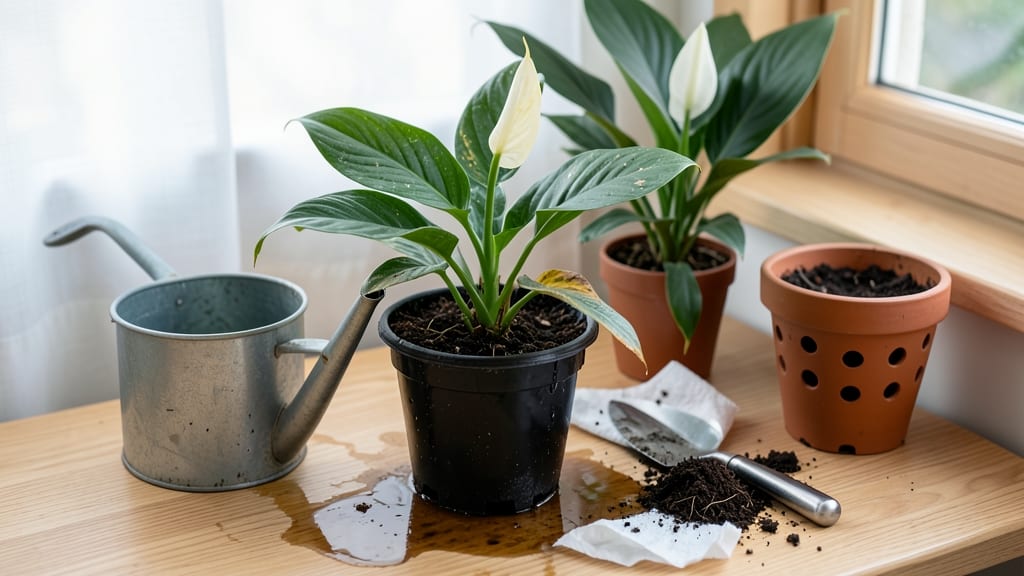
How to fix an overwatered peace lily—those drooping leaves and yellowing stems don’t mean it’s gone, just overdue for a rescue. 🌱 I've nursed back more soggy roots than I'd like to admit, and this method works even when the soil smells like swamp water. The key is acting fast before root rot sets in permanently.
Start by giving the roots a chance to breathe: repot into fresh, well-draining soil and a container with drainage holes. Trim away any black, mushy roots with clean scissors—healthy roots should be firm and white. Then, let the plant sit without water for 3-5 days to dry out completely.
Within 1-2 weeks, you'll see new signs of life: crisp green leaves emerging from the center and stems standing taller. The secret is patience—peace lilies bounce back faster than you'd expect when you stop drowning them. Water only when the top inch of soil feels dry.
For long-term success, adjust your routine: water every 7-10 days in winter and 5-7 days in summer, checking soil moisture before you water. This plant thrives on neglect once it's past the recovery phase—just don't let it get soggy again.
📚 In This Guide
- What you need
- Instructions
- Tips and common mistakes
- Wrapping up and next steps
What you need
- ● Well-draining potting mix: 1 bag (1-2 gallons) – Look for a mix labeled for houseplants or African violets (lightweight and airy). Avoid heavy garden soil!
- ● Pot with drainage holes: 1 (slightly larger than the current pot) – Terracotta or ceramic works best. If repotting, size up only 1-2 inches in diameter.
- ● Watering can or spray bottle: 1 – For gentle watering or misting (avoid over-saturating roots).
- ● Pruning shears or clean scissors: 1 pair – Sterilize with rubbing alcohol to prevent disease.
- ● Paper towels or a clean cloth: A few sheets – For blotting excess moisture.
- ● Rubbing alcohol (70% isopropyl): Small bottle – For sanitizing tools.
- ● Newspaper or saucer: 1 – To catch water and protect surfaces.
- ● Rooting hormone: 1 small tube – Speeds up recovery if you’re propagating cuttings.
- ● Peat moss or perlite: Small amount – Mix into soil for extra drainage if needed.
- ● Humidity tray: 1 – Helps maintain moisture levels post-recovery (pebble tray + water).
- ● Plant food (balanced fertilizer): 1 bottle – Use only after the plant shows new growth (dilute to half-strength).
Step-by-Step instructions for reviving an overwatered peace lily
Don't toss that droopy peace lily yet—here's how to nurse it back to health in just a few days.
💧 Step 1: Drain the Roots Immediately
First, move your peace lily to a dry, shaded spot away from direct sunlight. The goal now is to let the roots dry out completely—this could take 3-5 days depending on how soggy the soil is. Gently lift the plant from its pot and inspect the roots: healthy roots are firm and white, while overwatered roots turn mushy and dark brown.
If the roots look salvageable (some firmness remains), repot into fresh, well-draining potting mix (never reuse the old soggy soil). I like to add a handful of perlite or orchid bark to improve drainage. Tap the pot gently to settle the soil around the roots, but don't pack it down—you want air pockets to help the roots recover.
✂️ Step 2: Trim Damaged Foliage and Roots
Using sterilized scissors or pruning shears, snip off any yellow, brown, or mushy leaves at the base. These leaves won't recover and are just sapping energy from the plant. For the roots, cut away any that are soft, black, or smell foul—these are dead and will rot further if left attached. Healthy roots should still feel firm when gently squeezed.
Don’t over-trim! Keep a few healthy leaves to support photosynthesis while the plant recovers. After trimming, let the plant sit uncovered for 24 hours in its new pot. This helps prevent further rot from trapped moisture.
☀️ Step 3: Adjust Watering and Light Gradually
Wait 5-7 days before watering again—this gives the roots time to start healing. When you do water, soak the soil thoroughly until water drains freely from the bottom of the pot. Then, let it dry out completely before watering again. Stick your finger 1-2 inches deep into the soil: if it feels dry, it’s time to water.
Place your peace lily in bright, indirect light (like an east-facing window) for the next week. Avoid direct sunlight, which can stress a recovering plant. You’ll know it’s improving when new growth appears at the base of the plant—usually within 2-3 weeks of consistent care.
🌱 Step 4: Monitor and Encourage New Growth
Check the soil moisture every 2-3 days by lifting the pot—it should feel light when dry. Mist the leaves lightly once a week to increase humidity, but avoid letting water pool in the crown of the plant. If you notice new leaves forming, that’s a great sign! These will be smaller at first but will grow stronger as the plant recovers.
After 4-6 weeks, if your peace lily is showing steady growth, you can gradually return to a normal watering schedule. But remember: peace lilies thrive in moderately moist soil, not soggy conditions. If you’re unsure, always err on the side of underwatering—it’s easier to revive a slightly dry plant than one that’s drowning.
Tips & tricks for reviving an overwatered peace lily
Here's what nobody tells you about bringing back a soggy peace lily—these tricks saved mine after I nearly gave up.
Root Inspection Tip: When you lift your peace lily to check the roots in Step 1, look for the "toothpick test"—healthy roots should feel firm like a toothpick, while mushy roots will collapse when pressed. This simple test tells you exactly which roots to keep and which to trim away. I've found that even if 60% of roots look salvageable, the plant can still recover with proper care.
Soil Mix Matters: The instructions mention fresh potting mix, but here's the upgrade: blend it with 20-30% perlite or orchid bark by volume. This creates better air pockets around the roots, which is critical during recovery. I like to mix in a handful of worm castings too—it gives the plant a gentle nutrient boost without overwhelming the roots.
Lighting Strategy: That "bright, indirect light" in Step 3 is key—think of it as a gentle wake-up call. East-facing windows work perfectly, but if you only have south-facing light, place the plant 3-4 feet back from the window to diffuse the intensity. Too much direct light during recovery can cause leaf scorch, which stresses the plant even more.
Watering Reset: The 5-7 day waiting period before watering again is non-negotiable, but here's how to make it work: set a timer reminder for day 5. On that day, stick your finger 1-2 inches deep—if it's completely dry, you're ready to water. If not, wait another 24 hours. This prevents the temptation to water too soon, which is when most people fail to revive their plants.
Pro Tips for Fix Overwatered Peace Lily
- Here's what nobody tells you about bringing back a soggy peace lily—these tricks saved mine after I nearly gave up.
- Root Inspection Tip: When you lift your peace lily to check the roots in Step 1, look for the "toothpick test"—health...
- Soil Mix Matters: The instructions mention fresh potting mix, but here's the upgrade: blend it with 20-30% perlite or...
Frequently asked questions
Got more questions about reviving your peace lily? Here are some common concerns—and their solutions—to help you bring your plant back to life!
How do I know if my peace lily is overwatered vs. underwatered?
Check the soil first: Overwatered peace lilies have soggy, mushy roots and yellowing leaves that feel soft or slimy. Underwatered ones have dry, crispy brown edges and soil that pulls away from the pot. Stick your finger 1–2 inches deep—if it’s damp, hold off on watering!
How long does it take for a peace lily to recover from overwatering?
With proper care, you’ll see improvement in 1–2 weeks, but full recovery can take 4–6 weeks. Focus on consistent drainage and pruning dead leaves. Avoid fertilizing until new growth appears—your plant needs to heal first!
Can I save a peace lily with root rot?
Yes, but act fast! Trim all mushy roots with sterilized scissors, repot in fresh, dry soil, and place in bright, indirect light. If more than 50% of roots are rotten, the plant may not survive—but give it a try with a clean start!
What’s the best way to water a peace lily after fixing overwatering?
Wait until the top 1–2 inches of soil are dry (about 1–2 weeks after repotting). Water thoroughly until it drains from the bottom, then empty the saucer. Less is more! Peace lilies prefer slightly moist, not soggy, soil.
Will my peace lily grow back after losing all its leaves?
Don’t panic! If the rhizome (thick root base) is still firm and green, new leaves will sprout in 2–4 weeks. Keep conditions stable—bright, indirect light and moderate humidity—and avoid fertilizing until you see fresh growth.
Wrapping up and next steps
Reviving an overwatered peace lily is totally doable—just adjust your watering habits, trim the damage, and give it time to bounce back. 🌱 Remember, these plants are resilient, and with the right care, they’ll reward you with lush, green foliage again. Now’s your chance to turn things around!
Ready to bring your peace lily back to life? Start today—check its soil, repot if needed, and watch it thrive! 💚