
How To
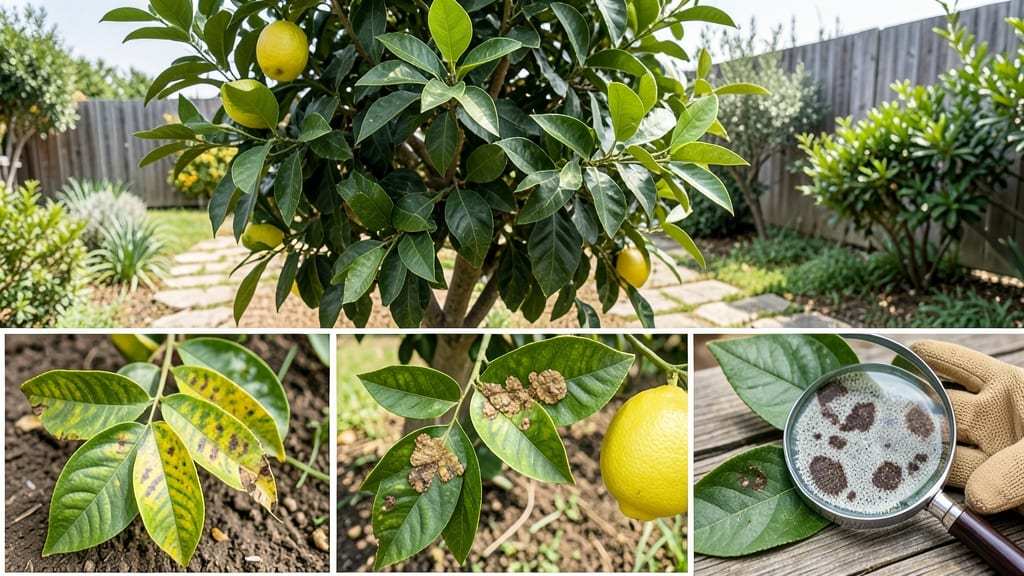
Your lemon tree’s leaves are covered in crusty sores—or worse, your fruit looks like it’s been sandblasted. 🌿 Identifying citrus diseases early means the difference between saving your tree and losing it to fungus.
I’ve seen citrus canker and greasy spot turn lush groves into skeletal shadows, but there’s a pattern to how they strike.
Start with the leaves: citrus canker leaves raised, water-soaked spots that crack open like scabs, while greasy spot shows up as yellow rings with dark centers. Check the fruit too—melanose gives it a pitted, dimpled look, and root rot means your tree’s trunk feels soft when you press it.
These aren’t just cosmetic issues; they spread fast in warm, wet weather.
Early action is everything. Prune infected branches 6 inches below the damage, sterilize your tools with bleach, and spray copper fungicide before the next rain. I’ve saved trees by catching blight in its first week—something I wish I’d known years ago when my first Meyer lemon tree nearly died.
The key is consistency: inspect your trees every 10 days during growing season, especially after storms. Prevention beats cure, and a few minutes now means years of healthy fruit. Let’s get your grove back to thriving.
Root Causes of Citrus Tree Ailments
Citrus trees, with their vibrant blooms and tangy fruits, are prized additions to gardens and orchards—but they’re not immune to disease. Understanding why these problems arise is the first step to prevention.
Below, we break down the science behind the most common fungal blights and pests that plague citrus trees, so you can tackle them head-on.
Fungal diseases thrive in warm, humid conditions, making citrus trees—especially in subtropical climates—prime targets. Here’s how it happens:
- Overhead Irrigation: Water droplets splashing onto leaves create a perfect breeding ground for fungal spores. Unlike drip irrigation, which delivers water to the roots, overhead sprinklers leave foliage damp for extended periods, inviting diseases like citrus scab or melanose.
- Poor Air Circulation: Dense foliage or crowded plantings trap moisture and heat. Fungi like Alternaria (which causes brown spot disease) spread rapidly in these stagnant environments.
- Contaminated Tools or Soil: Fungal spores can linger in pruning shears, mulch, or even old plant debris. If you’ve recently moved a tree or introduced new soil, you might unknowingly be introducing pathogens.
Pro Tip: 💡 Sterilize tools with 70% isopropyl alcohol before pruning, and always water at the base of the tree in the early morning to allow leaves to dry quickly.
Some citrus diseases don’t strike alone—they hitch a ride on insects. These pests weaken trees, making them vulnerable to secondary infections:
- Citrus Psyllids: These tiny, sap-sucking insects transmit Huanglongbing (HLB), or citrus greening disease, by injecting bacteria into the tree’s vascular system. Infected trees show yellowing leaves, stunted growth, and bitter fruit—even if the tree itself doesn’t die quickly.
- Scale Insects: By feeding on sap, scale insects create sooty mold (a black, fungus-like growth) on the tree’s surface. This mold blocks sunlight, further stressing the tree and opening doors for fungal infections.
- Root-Weevil Larvae: These grubs munch on roots, reducing the tree’s ability to absorb water and nutrients. A weakened tree is more susceptible to root rot and other soil-borne diseases.
Pro Tip: 🔥 Introduce beneficial insects like ladybugs or lacewings to control psyllids and scale. For root weevils, apply nematodes (beneficial soil microbes) to the root zone in early spring.
Citrus trees under stress are like open doors for diseases. Common triggers include:
- Nitrogen Deficiency: Yellowing leaves (chlorosis) signal a lack of nitrogen, weakening the tree’s immune response. Fungi like citrus canker exploit this vulnerability by colonizing soft, nutrient-starved tissue.
- Zinc or Iron Deficiency: These micronutrients are critical for cell wall strength. Trees lacking zinc may develop little leaf disease, making them more prone to fungal infections through damaged bark or leaves.
- Over-Fertilization with Phosphorus: Too much phosphorus can lock out zinc and iron, creating a domino effect of deficiencies. Always test soil before fertilizing!
Pro Tip: 📊 Conduct a soil test every 2–3 years to monitor pH (ideal: 6.0–7.0 for citrus) and nutrient levels. Adjust with chelated micronutrients if deficiencies are detected.
Citrus trees evolved in Mediterranean climates—they hate sudden shocks. Extreme conditions stress trees, making them susceptible to disease:
- Frost Damage: Freezing temperatures rupture cell walls, creating entry points for fungi like Phytophthora (which causes root rot). Even if the tree survives, the damage weakens its defenses.
- Heat Stress: Prolonged temperatures above 95°F (35°C) can scorch leaves, leaving them prone to sunburn and secondary infections. Young trees are especially at risk.
- Poor Drainage: Waterlogged soil cuts off oxygen to roots, leading to anaerobic conditions where Phytophthora and other pathogens thrive. Citrus trees must have well-draining soil.
Pro Tip: 🌡️ Mulch with wood chips (2–3 inches deep) to regulate soil temperature and retain moisture without suffocating roots. In frost-prone areas, use frost cloth to protect young trees.
By addressing these root causes—whether it’s adjusting watering habits, controlling pests, or amending soil—you’ll give your citrus trees the best shot at staying healthy and disease-free. Prevention is always easier (and cheaper!) than treatment.
How to Fix Citrus Tree Woes
Once you’ve spotted the signs of citrus tree diseases, it’s time to act—fast! Early intervention is key to saving your tree and preventing the problem from spreading to other plants.
Below are practical, step-by-step solutions tailored to the most common fungal blights, along with prevention tips to keep your citrus trees thriving.
---
Cause: Xanthomonas citri bacteria (often mistaken for fungal issues but treated similarly).
How to Fix It: 🔥 Remove Infected Areas Immediately - Prune away all infected branches, leaves, or fruit using sterilized tools (wipe with rubbing alcohol between cuts). - Bag and dispose of infected plant material in the trash (do not compost).
🍳 Clean the Tree Thoroughly - Mix a baking soda solution (1 tbsp baking soda + 1 quart water + a few drops of dish soap) and scrub the tree’s bark and leaves with a soft brush. - Rinse with water afterward to avoid salt buildup.
👨🍳 Apply Copper-Based Fungicide - Use a copper fungicide (like Copper Soap or Bordeaux Mixture) every 7–10 days for 4–6 weeks to prevent bacterial spread. - Best time to spray: Early morning or late afternoon to avoid leaf burn.
🌡️ Prevention Tips for Next Season - Plant resistant varieties like Meyer lemon or Calamondin (less susceptible). - Avoid overhead watering—use drip irrigation to keep leaves dry. - Sterilize pruning tools after each use to prevent cross-contamination.
---
Cause: Diplodia natalensis or Alternaria fungi, thriving in hot, humid conditions.
How to Fix It: 🔥 Prune and Dispose of Severely Infected Leaves - Remove all leaves with dark brown spots (especially on young shoots). - Burn or trash them—do not compost to prevent spore spread.
🍳 Apply Fungicidal Sprays - Use a fixed copper fungicide (like Cueva or Kocide) every 2–3 weeks during spring and summer. - For organic options, try neem oil (1 tbsp per gallon of water) or potassium bicarbonate spray.
👨🍳 Improve Air Circulation - Thin out dense foliage to allow sunlight and airflow. - Space trees properly (10–15 feet apart) to reduce humidity buildup.
✨ Prevention Tips - Water early in the day so leaves dry before evening. - Mulch around the base (but keep it 2–3 inches away from the trunk) to moderate soil moisture. - Avoid nitrogen-heavy fertilizers—they promote lush growth that’s more prone to fungal attacks.
---
Cause: Elsinoë fungi, causing rough, scabby lesions on fruit and leaves.
How to Fix It: 🔥 Prune Infected Fruit and Leaves - Remove all scabbed fruit (even if it looks mostly healthy). - Sterilize tools between cuts to avoid spreading spores.
🍳 Copper Spray Schedule - Apply a copper fungicide (like Cheshunt Compound) every 10–14 days during spring and summer. - First spray: As soon as buds swell in early spring.
👨🍳 Adjust Watering Practices - Water at the base, not overhead, to keep leaves dry. - Avoid wet foliage—this fungus loves moisture.
🌡️ Prevention Tips - Plant in full sun (scab thrives in shaded, damp conditions). - Choose resistant varieties like Satsuma mandarins or Clementines. - Clean up fallen leaves regularly to remove fungal spores.
---
Cause: Phytophthora or Fusarium fungi from overwatering or poor drainage.
How to Fix It: 🔥 Improve Drainage Immediately - Dig around the root zone and check for waterlogging. - Amend soil with compost or perlite to improve aeration. - Raise the tree (if in a container) by adding gravel or sand to the bottom.
🍳 Apply Fungicidal Drench - Use a systemic fungicide like Subdue (metalaxyl) or Serenade (biological fungicide). - Water deeply after application to reach roots.
👨🍳 Adjust Watering Habits - Water only when the top 2 inches of soil are dry—never let roots sit in water. - Install a French drain if your yard has poor drainage.
✨ Prevention Tips - Plant in well-draining soil (avoid clay-heavy areas). - Use raised beds if your garden retains too much moisture. - Avoid over-fertilizing—too much nitrogen weakens roots.
---
💡 Sanitation is Key - Remove and destroy infected leaves/fruit immediately. - Sterilize tools with rubbing alcohol between uses.
🌡️ Optimize Growing Conditions - Full sun (6+ hours/day) reduces fungal pressure. - Proper spacing improves airflow (prevents humidity buildup).
🎯 Proactive Sprays - Neem oil (preventative, not curative). - Baking soda spray (1 tsp baking soda + 1 quart water + soap) every 2 weeks in humid climates.
⏰ Seasonal Maintenance - Fall cleanup: Remove all debris from under the tree. - Spring prep: Apply copper fungicide before new growth starts.
--- Final Thought: Most citrus diseases are manageable with early action and good hygiene. Stay vigilant, and your trees will reward you with years of healthy fruit! 🍋🌿
Frequently asked questions
How can I tell if my citrus tree has root rot?
Check for soft, mushy roots when you gently pull back the soil—healthy roots should be firm and white. Look for yellowing leaves that start at the bottom of the tree and wilting despite consistent watering. If the trunk feels spongy when pressed, root rot is likely spreading. Act fast by improving drainage and applying a systemic fungicide.
Will my citrus fruit still be safe to eat if the leaves have spots?
It depends on the disease! For greasy spot or melanose, the fruit may still be edible if the spots are only on leaves—not the fruit itself. However, if you see citrus canker (raised, crusty lesions) on fruit, remove it immediately as the bacteria can contaminate the flesh. Always wash fruit thoroughly before eating, even if it looks healthy.
Can I use household items like vinegar or baking soda to treat citrus diseases?
Yes, but with caution! A baking soda spray (1 tbsp baking soda + 1 quart water + a drop of soap) can help prevent fungal diseases like greasy spot when applied every 2 weeks. Vinegar (1 tbsp per gallon of water) can be used as a sanitizer for tools, but never spray it directly on trees—it’s too acidic. For serious infections, commercial fungicides work better.
How often should I inspect my citrus trees for diseases?
Check your trees every 10 days during the growing season (spring through fall), and weekly after heavy rains. Focus on new growth, undersides of leaves, and young fruit—these are prime spots for early signs of disease. In winter, a monthly inspection is sufficient unless you notice unusual leaf drop or discoloration.
What’s the difference between citrus canker and greasy spot?
Citrus canker shows up as raised, crusty lesions that ooze when wet, while greasy spot appears as small, greasy-looking spots with yellow halos. Canker affects both leaves and fruit, while greasy spot primarily targets leaves. Canker is bacterial, while greasy spot is fungal—so treatments differ. Canker requires copper fungicides, while greasy spot responds well to neem oil or potassium bicarbonate sprays.