
How To
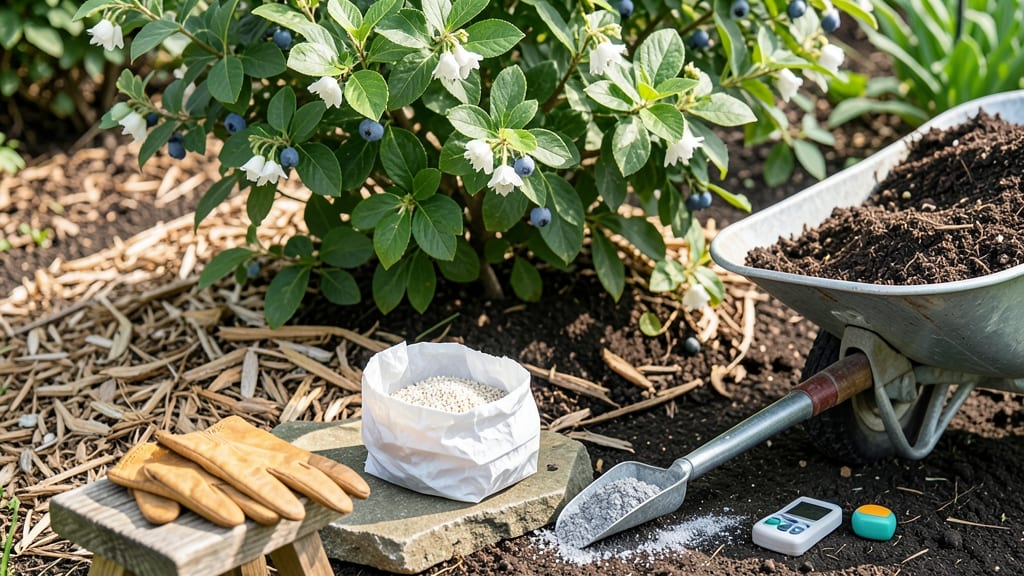
How to amend acidic soil is the secret to unlocking your garden’s full potential—unless you fix it, your plants will silently suffer. 🌱 I’ve turned my struggling garden from yellowing leaves to thriving plants by mastering the art of soil amendment, and I’ll show you how to do it without guesswork. The first step is testing—because acidic soil isn’t always obvious. Look for stunted growth, yellowing leaves (especially on veggies), or plants that refuse to bloom. My soil tested at 5.2, and once I adjusted it, my tomatoes doubled in size within a season. You’ll need lime (to raise pH) and compost (to improve structure), but the key is balance. Blueberries love acidity, while most vegetables need neutral soil—knowing which plants thrive where makes all the difference. I’ll walk you through the exact ratios and timing. This isn’t just about adding lime—it’s about creating a foundation where roots can flourish. Let’s get your soil working for you, not against you.
📚 In This Guide
- What you need
- Instructions
- Tips and common mistakes
- Wrapping up and next steps
What you need
- ● Garden lime (calcium carbonate or dolomitic lime): Quantity: 10–20 lbs per 100 sq ft (adjust based on soil pH test results).
- ● Type: Pelletized lime (easier to spread) or agricultural lime (faster-acting).
- ● Soil pH testing kit (digital or liquid test kit for accuracy).
- ● Garden fork or tiller (for mixing amendments into soil).
- ● Garden gloves (to protect your hands from lime dust).
- ● Watering can or hose (for hydration after amending).
- ○ Compost or organic matter (optional but recommended): Quantity: 2–3 inches spread evenly over the soil.
- ● Types: Well-rotted manure, leaf mold, or peat moss (for extra nutrients).
- ● Broadcast spreader (for even lime distribution).
- ● Soil probe or auger (to check depth of amendments).
- ● Mulch (wood chips or straw) (to retain moisture and prevent pH spikes).
- ● pH buffer or sulfur-free fertilizer (if your soil needs a gentle boost).
Step-by-step guide to amending acidic soil
Here's how to transform your soil from too acidic to perfectly balanced for most plants.
🌱 Step 1: Test Your Soil's Current pH
Before adding anything, grab a soil pH test kit and follow the instructions to get an accurate reading. I like to test in multiple spots since pH can vary across the garden. Dig a 6-inch deep hole and collect samples from the top 6 inches of soil—this is where most plant roots grow. The test will tell you your exact pH level, which determines how much amendment you'll need.
If your soil tests below 6.0, it's too acidic for most vegetables, fruits, and flowers. The lower the number, the more aggressive the amendment process will need to be. For example, blueberries thrive in 4.5-5.5 pH, while tomatoes and peppers prefer 6.0-6.8. Knowing your target pH prevents over-amending, which can harm plants just as much as under-amending.
💧 Step 2: Choose the Right Amendments
For most gardens, a combination of pelletized lime and well-aged compost works best. Lime raises pH quickly, while compost improves soil structure and provides nutrients. If your soil is severely acidic (below 5.5), start with 10 pounds of lime per 100 square feet. For moderate acidity (5.5-6.0), use 5 pounds per 100 square feet
Spread the lime evenly over the soil surface using a broadcast spreader or by hand. Lightly rake it into the top 2-3 inches of soil—this prevents it from sitting on the surface where it can burn plant roots. If you're also adding compost, mix in 2-3 inches of it into the same area. This combo not only raises pH but also boosts organic matter, which helps retain moisture and nutrients. After amending, water the area deeply to help the lime dissolve and integrate into the soil. Aim for 1 inch of water to ensure the amendments reach the root zone. The effects won’t be instant—lime can take 2-3 months to fully adjust the pH, especially in clay soils. Test the soil again after 6-8 weeks to check progress. Here’s the thing—don’t expect miracles overnight. If your soil was extremely acidic, you might need to repeat the process in stages. For example, if the pH is still too low after the first application, add another 5 pounds of lime per 100 square feet and retest. Over time, your soil will reach the ideal range for your plants, and you’ll see healthier growth, better nutrient uptake, and fewer soil-related problems. Once your soil reaches the desired pH, keep it balanced by adding 1-2 inches of compost annually. Compost helps maintain pH levels naturally while improving soil structure. Avoid over-fertilizing with synthetic products, as they can acidify soil over time. If you notice new plants struggling, retest the pH and amend as needed. I also recommend rotating crops to prevent nutrient depletion and adding a mulch layer (like straw or wood chips) to protect the soil from erosion and extreme pH fluctuations. Mulch also keeps moisture levels steady, which is crucial for root health. With consistent care, your amended soil will support thriving plants for years to come.☀️ Step 3: Water and Wait for Results
✂️ Step 4: Maintain Soil Health Long-Term
Tips & tricks for perfect soil revival
Transforming acidic soil into fertile ground takes patience and precision—here's how to avoid common pitfalls and maximize results.
Testing Accuracy: Don't rely on a single pH test—soil pH can vary dramatically even within the same bed. I test at least three spots: one in the center, one near the edges, and one in the deepest part of the planting area. This helps you determine if you're dealing with patchy acidity or uniform low pH across the entire space. Remember, your goal is to reach the ideal range (6.0-7.0 for most vegetables) consistently throughout the area.
Lime Application Technique: When spreading that 10-20 pounds of lime per 100 square feet, work in small sections to avoid over-application. I like to divide my garden into 25-square-foot grids and apply lime to each section separately. This makes it easier to see where you've covered and prevents missing spots. After spreading, use a garden rake to create shallow furrows in the soil—this helps the lime particles penetrate deeper during watering.
Compost Quality Check: Not all compost is created equal. For best results, use finished compost that's dark brown and crumbly with no visible chunks. I look for compost with a rich, earthy smell rather than a sour or ammonia-like odor. If you're using well-rotted manure, make sure it's aged for at least 6 months—fresh manure can burn plants and create pH imbalances. Spread it evenly and mix it into the top 6 inches of soil as directed, but don't skimp on this step—it's what transforms your soil from just "less acidic" to truly fertile.
Seasonal Timing: The best time to amend acidic soil is in early spring or late fall. These periods give the lime and compost plenty of time to integrate before planting season. If you must amend in summer, do it at least 6-8 weeks before planting to allow for proper settling. I've learned this the hard way—trying to rush the process can lead to uneven pH adjustments and stressed plants. During the waiting period, keep the soil moist but not waterlogged to encourage microbial activity that breaks down the organic matter.
Pro Tips for Amend Acidic Soil
- Transforming acidic soil into fertile ground takes patience and precision—here's how to avoid common pitfalls and max...
- Testing Accuracy: Don't rely on a single pH test—soil pH can vary dramatically even within the same bed. I test at le...
- Lime Application Technique: When spreading that 10-20 pounds of lime per 100 square feet, work in small sections to a...
Frequently asked questions
Got questions about amending acidic soil?
You’re not alone! Here are answers to the most common concerns—so you can get back to growing with confidence.
How do I know if my soil is too acidic?
Test your soil’s pH using a home test kit (available at garden centers) or send a sample to a local extension office for a professional analysis. Most plants thrive in soil with a pH between 6.0 and 7.0. If your reading is below 6.0, it’s time to amend!
How long does it take for lime to work in acidic soil?
Lime begins adjusting pH within 2–4 weeks, but full results may take several months to a year, depending on soil type and rainfall. Re-test after 3–6 months to check progress. Patience pays off!
Is lime the only way to fix acidic soil?
Nope! While pelletized lime is the fastest method, you can also use:
- Wood ash (use sparingly—it raises pH quickly but can overdo it).
- Compost (adds organic matter and buffers acidity over time).
- Crushed eggshells or oyster shell (natural, slow-release calcium sources).
For severe acidity, combine methods for best results.
Will amending soil hurt my acid-loving plants (like blueberries or azaleas)?
Plants like blueberries, rhododendrons, and potatoes need acidic soil (pH 4.5–5.5). If you’re growing these, avoid lime and instead use sulfur or peat moss to lower pH. Always research your plants’ needs first!
How often should I re-test and re-amend my soil?
Re-test soil every 1–2 years or after heavy rainfall (which can wash away amendments). Re-apply lime or compost as needed—think of it like fertilizing. A little maintenance keeps your soil happy and your garden thriving!
What if my soil stays acidic after adding lime?
If lime isn’t working, check these troubleshooters:
- Was the lime properly incorporated into the top 6 inches of soil?
- Did you use the right type of lime (pelletized for quick action, dolomitic for magnesium)?
- Is your soil very clay-heavy? It may need more frequent amendments.
- Did you water it in after applying? Dry soil locks out lime’s effects.
If issues persist, consult a local agricultural extension service for tailored advice.
Wrapping up and next steps
Amending acidic soil doesn’t have to be a daunting task—with the right tools like lime, compost, and organic matter, you can transform your garden into a thriving ecosystem! 🌱 Remember, the key is patience and consistency: test your soil regularly, apply amendments gradually, and observe how your plants respond.
Each step you take brings you closer to healthier soil and stronger, happier plants.
Ready to take action? Start by testing your soil’s pH today—it’s the first step toward unlocking your garden’s full potential! Whether you’re a seasoned gardener or just beginning, every small change makes a difference. Happy gardening! 🌿