
Pruning
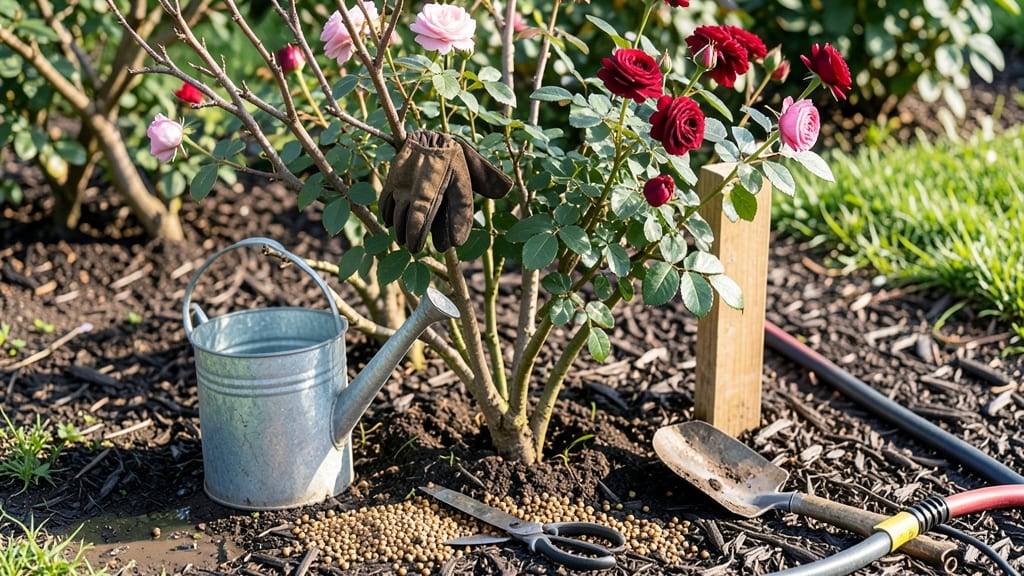
How to bring back a dead rose bush—it’s not as hopeless as it looks. 🌿 I’ve brought back bushes that looked hopeless with just a few sharp cuts and a hydration reset, and you can too. The key is acting fast before root rot or pests claim it completely.
First, grab your pruners and examine the stems. If they’re brittle and snap like dry twigs, that’s a bad sign—but if they bend slightly, there’s still hope. Cut back all dead growth to a healthy bud, then dig around the base to check the roots.
If they’re mushy or smell foul, the bush may be beyond saving. If they’re firm, we’re in business.
Water deeply now—not a light sprinkle—so the soil soaks down to 6 inches. Then, hold off on fertilizing for 2-3 weeks while the roots recover. Once new growth appears, you’ll know the rescue worked. The secret? Patience and proper care after the initial shock.
This method works for hybrid teas, floribundas, and even old shrub roses. The worst that happens is you prune a little too much—better than losing the bush entirely. Let’s get those canes cutting back to life!
Root Causes of Rose Bush Decline
Before you can revive your rose bush, it’s crucial to understand why it’s struggling. Roses are resilient, but they’re also sensitive to environmental stress, poor care, and hidden threats. Here’s a breakdown of the most common reasons your rose bush might look "dead" when it’s not yet beyond saving.
---
Roses need consistent moisture, but their roots hate soggy soil. Overwatering or compacted, poorly draining soil can lead to: - Root rot (Phytophthora and Pythium fungi) – These pathogens thrive in waterlogged conditions, suffocating roots and cutting off nutrient uptake. - Oxygen deprivation – Roots need aeration to breathe.
Too much water displaces oxygen, causing roots to suffocate and die back. - Nutrient leaching – Excess water washes away essential minerals like nitrogen, phosphorus, and potassium, starving the plant.
Signs to watch for: - Yellowing leaves (chlorosis) that don’t improve with fertilizer. - Mushy, black, or foul-smelling roots when inspected. - Stunted growth despite regular watering.
Pro tip: 💡 If your soil feels like wet clay or water pools after rain, your bush is at high risk. Amend the soil with compost, perlite, or sand to improve drainage.
---
While too much water kills roots, too little can be just as deadly. Roses are drought-tolerant but not drought-proof.
Prolonged dry spells lead to: - Wilting and leaf scorch – Cells lose turgor pressure, causing leaves to curl and crisp at the edges. - Root shrinkage – Roots can’t absorb water efficiently, leading to nutrient starvation. - Dieback – Severe drought forces the bush to shed leaves and branches to conserve energy, making it look "dead."
Signs to watch for: - Dry, brittle stems that snap easily. - Leaves that feel papery or fall off with a light touch. - Soil pulling away from the pot (if potted) or deep cracks in garden soil.
Pro tip: 🌡️ Water deeply 1–2 inches per week (or more in extreme heat). Use a moisture meter to check soil levels—roots should stay in the 50–70% moisture range, not bone-dry.
---
Roses are prime targets for pathogens that attack weakened plants. The most destructive culprits include: - **Black spot (Diplocarpon rosae) – Fungal spores spread via water splashes, creating dark, circular lesions on leaves.
Severe cases defoliate the bush, leaving it vulnerable to stress. - Powdery mildew (Erysiphe spp.) – A white, powdery coating on leaves blocks sunlight, reducing photosynthesis.
Infected leaves yellow and drop prematurely. - Canker (Botryosphaeria or Leucostoma) – Bacterial or fungal infections create sunken, oozing wounds on stems, cutting off water and nutrient flow.
Signs to watch for:** - Unusual spots, mold, or discoloration on leaves/stems. - Sticky residue (honeydew) from pests or bacterial ooze. - Sudden leaf drop even with adequate water.
Pro tip: ✨ Prevent fungal spread by watering at the base (not overhead), removing infected leaves immediately, and applying neem oil or copper fungicide as a preventative spray.
---
Roses are heavy feeders and require a balanced diet of nitrogen (N), phosphorus (P), and potassium (K). Deficiencies cause: - Nitrogen (N) deficiency – Pale yellow leaves (starting with older ones) and stunted growth.
The bush looks "starved." - Phosphorus (P) deficiency – Dark green or purple-tinged leaves, weak root development, and poor flowering. - Potassium (K) deficiency – Yellowing leaf edges (scorch), weak stems, and susceptibility to disease.
Signs to watch for: - Slow recovery after pruning or transplanting. - Small, sparse leaves with weak stems. - Soil tests showing low organic matter (below 2–3%).
Pro tip: 📊 Test your soil (DIY kits are affordable) and amend with compost, bone meal (for P), or potassium sulfate if deficiencies are found.
--- Aggressive pruning, storm damage, or animal activity can sever critical roots or stems, leaving the bush unable to recover.
Common mistakes include: - Top-heavy cuts – Removing too many top branches without supporting lower growth disrupts the plant’s balance. - Pruning in wet conditions – Open wounds invite fungal/bacterial infections. - Root disturbance – Digging too close to the base or transplanting without a root ball can sever hidden roots.
Signs to watch for: - Uneven regrowth after pruning. - Exposed, gnarled roots at the base. - Sudden wilting after a storm or heavy pruning session.
Pro tip: 🔪 Prune in dry weather, use clean, sharp tools, and never remove more than 1/3 of the bush at once. If roots are exposed, mulch heavily to protect them.
--- Extreme conditions can push roses past their limits. Key stressors include: - Temperature swings – Frost damage (blackened, mushy stems) or heat stress (leaf burn, wilting). - Poor sunlight – Roses need 6–8 hours of direct sun daily.
Shady spots lead to leggy, weak growth and poor flowering. - Wind or salt exposure – Coastal roses or those in exposed areas suffer from salt burn (brown leaf tips) or desiccation.
Signs to watch for: - Leaf burn (brown, crispy edges) in hot, dry climates. - Stunted growth in shady spots. - Winter dieback if not mulched or protected from frost.
Pro tip: 🎯 Move potted roses to sheltered spots in winter or use frost cloth. For garden roses, plant in full sun and water deeply before extreme heat.
--- Hidden pests can sap the life out of your rose bush without obvious signs.
The worst offenders: - Aphids – Cluster on new growth, sucking sap and spreading viruses. - Japanese beetles – Skewer leaves, causing lace-like damage and stress. - Root-knot nematodes – Microscopic worms that gall and stunt roots, reducing water uptake.
Signs to watch for: - Sticky residue (honeydew) on leaves. - Holes in leaves or chewed petals. - Sudden wilting despite proper watering.
Pro tip: 💡 Inspect undersides of leaves for pests. Use neem oil, insecticidal soap, or beneficial nematodes for nematodes. Handpick beetles in the early morning.
Revive Your Rose Bush Step-by-Step
Now that you know the root causes behind your rose bush’s decline, let’s roll up our sleeves and bring it back to life! 🌱 The key is acting fast with targeted fixes—whether it’s a hydration boost, pruning cleanup, or soil rescue.
Below, we’ve mapped out practical solutions for each common problem, plus pro tips to keep your roses thriving long-term.
---
Symptoms: Yellowing leaves, mushy stems, foul-smelling soil, or roots that appear rotten.
How to Treat It: 1. 🚰 Stop Watering Immediately - Let the soil dry out completely before watering again. Stick your finger 2–3 inches into the soil—if it’s damp, wait another day.
2. 🔪 Prune Damaged Growth - Snip off any black, mushy stems or leaves with clean pruners. Focus on 1/3 of the plant to reduce stress. - Pro Tip: Sterilize your pruners with rubbing alcohol to prevent spreading disease.
3. 🌍 Improve Soil Drainage - Mix coarse sand or perlite into the top 6 inches of soil (50/50 ratio with existing dirt). - If potted, drill drainage holes in the bottom and repot with fresh, well-draining potting mix.
4. 🌿 Adjust Watering Habits - Water deeply but infrequently—aim for 1–1.5 inches per week (including rain). Water at the base, not overhead. - Prevention: Use a moisture meter or the "squeeze test" (grab a handful of soil; if it crumbles, it’s dry enough).
---
Symptoms: Crispy, brown edges on leaves, wilting despite water, or dry, brittle stems.
How to Treat It: 1. 💦 Hydrate Deeply - Water until the soil is saturated 6–8 inches down. Use a garden hose with a slow setting or a drip irrigation system for even distribution. - Quick Fix: Place the pot in a shallow tray of water for 10–15 minutes to encourage root uptake.
2. 🌿 Mulch to Retain Moisture - Spread 2–3 inches of organic mulch (straw, wood chips, or bark) around the base, keeping it 2 inches away from the stem to prevent rot.
3. 🌞 Adjust Sun Exposure - If your rose is in full sun (6+ hours/day), ensure it’s getting consistent water. If it’s in a hot, dry climate, consider light shade (30–50%) during peak afternoon heat.
4. 🌱 Encourage Root Growth - Apply a balanced fertilizer (10-10-10) lightly after watering to support recovery. Avoid heavy doses until new growth appears.
---
Symptoms: Dark spots on leaves, white powdery residue, or leaves curling/yellowing.
How to Treat It: 1. 🧼 Clean Up Debris - Remove all infected leaves and stems (don’t compost them—bag and toss). Disinfect your tools with a 10% bleach solution (1 part bleach to 9 parts water).
2. 🌿 Improve Airflow - Prune to open the center of the bush (aim for an "open vase" shape). Space plants 3–4 feet apart to reduce humidity buildup.
3. 💊 Apply Fungicide - Spray with a copper-based fungicide (like Bordeaux mixture) or a neem oil solution (1 tbsp neem oil + 1 tsp mild soap per quart of water).
Reapply every 7–10 days until new growth appears. - Organic Option: Mix 1 tsp baking soda + 1 quart water + a few drops of dish soap for a DIY spray.
4. 🌧️ Water Wisely - Water early in the morning to allow foliage to dry quickly. Avoid overhead sprinklers.
---
Symptoms: Sticky residue (honeydew), tiny webs, chewed leaves, or visible bugs.
How to Treat It: 1. 🔍 Identify the Pest - Aphids: Tiny green/black bugs clustered on new growth. - Spider Mites: Tiny yellow/red dots and fine webbing. - Japanese Beetles: Shiny green/blue beetles chewing leaves.
2. 💦 Blast Them Off - Spray the bush with a strong stream of water to dislodge pests. Repeat every 2–3 days for 2 weeks.
3. 🍋 Natural Repellents - Neem Oil Spray: Mix 1 tbsp neem oil + 1 tsp soap per quart of water.
Spray top and bottom of leaves. - Soap Spray: Use 1 tsp insecticidal soap per quart of water (test on a small area first). - Diatomaceous Earth: Sprinkle lightly around the base (reapply after rain).
4. 🌿 Trap Crops & Barriers - Place yellow sticky traps nearby to catch flying pests. - For Japanese beetles, handpick them into soapy water (wear gloves!).
---
Symptoms: Blackened canes, no new growth in spring, or leaves that look "burnt."
How to Treat It: 1. 🌡️ Check for Live Buds - Scrape a small section of bark—if green underneath, the bush is still alive! Prune back to healthy buds (they’ll look plump and brown, not shriveled).
2. 🌱 Prune for Recovery - Cut back dead canes to the ground and trim live canes by 1/3. This redirects energy to new growth.
3. 🔥 Protect from Future Chill - Mulch heavily (4–6 inches of straw or leaves) around the base before winter. - Wrap young bushes in burlap or use a rose cone for extra insulation. - Pro Tip: Plant roses in south-facing spots to maximize winter sun exposure.
---
Symptoms: Pale yellow leaves (chlorosis), stunted growth, or slow recovery after pruning.
How to Treat It: 1. 📊 Test Your Soil - Grab a DIY soil test kit (or send a sample to a local extension office) to check pH and nutrient levels. Roses prefer slightly acidic soil (6.0–6.5).
2. 💪 Fertilize Smartly - Early Spring: Use a high-nitrogen fertilizer (like 10-5-5) to encourage leafy growth. - Summer/Blooming Season: Switch to a balanced or phosphorus-heavy fertilizer (5-10-10) for flowers. - Avoid: Over-fertilizing in fall—it promotes tender new growth that won’t survive winter.
3. 🌿 Boost with Organic Amendments - Mix compost or well-rotted manure into the top 6 inches of soil. - For quick results, use fish emulsion or seaweed extract (follow label rates).
4. 🍄 Check for Hidden Issues - Yellow leaves can also signal iron deficiency—apply chelated iron or use Epsom salt (1 tbsp per gallon of water, spray on leaves).
--- To keep your rose bush healthy and avoid future "death spirals," follow these easy maintenance habits: - Watering: Deep and infrequent—never let soil stay soggy. - Pruning: 3 times a year (late winter, post-bloom, and summer cleanup). - Soil: Test annually and amend with compost every 2–3 years. - Pests/Disease: Inspect weekly and act fast at the first sign of trouble. - Mulching: Refresh mulch annually to
Frequently asked questions
How do I know if my rose bush is truly dead or just dormant?
Scrape a small section of bark—if you see green underneath, the bush is alive! Look for plump, brown buds (not shriveled) and check roots: firm, white roots mean life remains. If everything’s mushy or black, it’s likely beyond saving.
Can I revive a rose bush that’s been neglected for months?
Yes, but act fast! Start with deep pruning to remove dead canes and improve airflow. Water deeply 2-3 times per week for 2 weeks to rehydrate roots, then switch to 1 inch weekly. Avoid fertilizer until new growth appears (usually 4-6 weeks).
What’s the fastest way to check for root rot?
Gently dig around the base—healthy roots are firm and white. If they’re mushy, black, or smell foul, that’s root rot. For potted roses, lift the pot to check drainage holes: if roots are circling the bottom, it’s a sign of stress. Never water again until soil dries completely!
Should I fertilize a dying rose bush immediately?
No! Fertilizer stresses already weak roots. Wait 4-6 weeks after deep watering to let roots recover. Start with a balanced fertilizer (10-10-10) at half strength, then switch to phosphorus-heavy (5-10-10) once blooming begins.
How long does it take to see results after reviving a rose bush?
New growth typically appears in 3-6 weeks if roots are healthy. For severe cases, it may take 8-12 weeks. Track progress by checking for green shoots at the base and fresh leaves on remaining canes. Patience is key—don’t give up after 4 weeks!