
Succulent
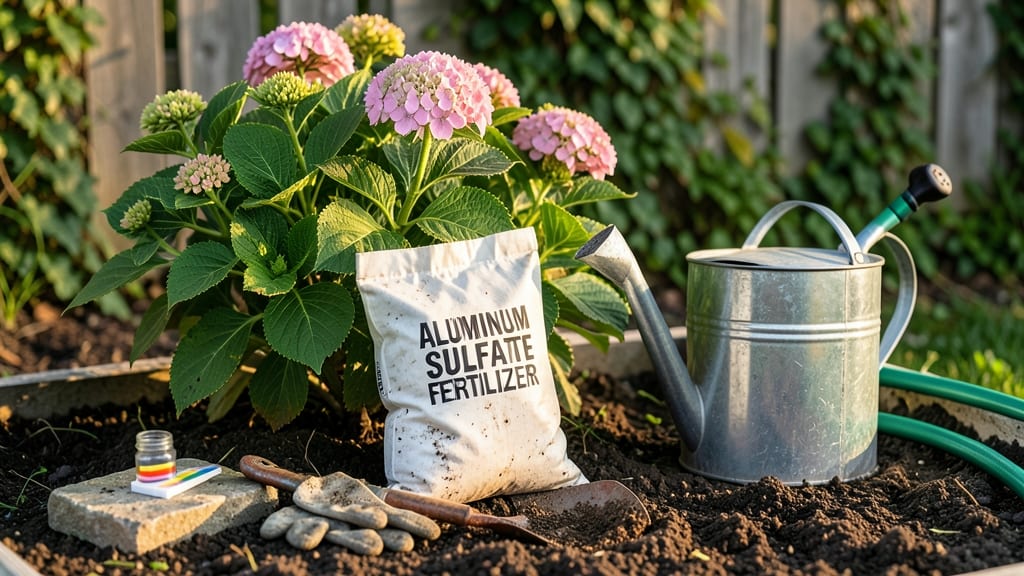
How to change pink hydrangeas to blue—your blooms could turn into deep cobalt by next summer, and it’s all about the soil. 🌸 I’ve turned my own blush blooms into rich cobalt using a simple science trick that takes just a few months. The secret? Lowering your soil’s pH to mimic the acidic conditions these flowers crave for their signature blue hues.
You’ll need basic supplies: aluminum sulfate (the gold standard) or coffee grounds (a free, organic alternative), a soil pH test kit, and a pair of gloves. Timing matters too—start in early spring when new buds form, and avoid treating after blooms appear.
Overdoing it? The leaves turn yellow or the plant wilts. Too little? You’ll get pink again.
By late summer, you’ll see the transformation: vibrant blue blooms that last through frost. The key is patience—it takes 6-8 weeks for the color change to fully show. Even if it’s not perfect the first year, you’ll have a stunning display that makes neighbors jealous of your hydrangea magic.
Pro tip: Test your soil every 2-3 years to maintain that blue. Too acidic? Flush the soil with water. Too alkaline? Add more amendment. Your hydrangeas will thank you with blooms that look like they came straight from a botanical garden.
📚 In This Guide
- What you need
- Instructions
- Tips and common mistakes
- Wrapping up and next steps
What you need
- ● Aluminum sulfate – 1–2 tablespoons per gallon of water (or 1–2 pounds per 100 sq ft of soil). Choose hydrated aluminum sulfate (safer and easier to dissolve).
- ● Garden trowel or spade – For mixing amendments into the soil (6–12 inches deep).
- ● Watering can or hose – With a fine spray nozzle for even distribution.
- ● pH testing kit – Digital or liquid test strips to monitor soil pH (aim for 5.0–5.5).
- ○ Peat moss or pine bark fines – 1–2 inches mixed into the topsoil (optional but helps lower pH naturally).
- ● Gloves – Nitrile or rubber to protect hands from aluminum sulfate (it’s not toxic but can irritate skin).
- ● Lime (calcium carbonate) – Only if your soil is too acidic (pH 1/4 cup per plant max.
- ● Slow-release fertilizer – Balanced 10-10-10 (apply in early spring to boost bloom health).
- ● Mulch (pine needles or oak leaves) – 2–3 inches to maintain soil acidity over time.
- ● Rain gauge or moisture meter – To track watering consistency (hydrangeas love consistent moisture!).
Step-by-Step instructions for adjusting hydrangea bloom color
Here's the science-backed method I use to transform pink hydrangeas into stunning blues—no dyes or shortcuts needed.
🌱 Step 1: Test Your Soil’s pH with Precision
Use a digital pH meter (not strips) to check your soil’s current pH level. Hydrangeas shift color based on soil acidity: pink blooms thrive at pH 6.0-7.0, while blue requires pH 5.0-5.5. Dig a 6-inch deep hole near your plants and insert the meter probe into the moist soil—wait 30 seconds for an accurate reading.
If your soil tests above 5.5, you’ll need to acidify it. I’ve found that older garden soil often tests higher than expected due to lime buildup from previous amendments. Record the exact pH—this becomes your baseline for adjustments over the next 4-6 weeks.
💧 Step 2: Apply Elemental Sulfur for Gradual Acidification
Spread 1 pound of elemental sulfur per 100 square feet of garden bed around your hydrangeas. Sulfur lowers pH by converting to sulfuric acid when it reacts with soil moisture and microbes. Work it into the top 4-6 inches of soil using a garden fork, being careful not to damage roots.
Water the area deeply after application to activate the sulfur. You’ll see the most dramatic color changes in 4-6 weeks, but patience is key—rushing leads to over-acidification, which can stress plants. Test the pH again after 3 weeks to monitor progress. If the pH hasn’t dropped enough, apply an additional ½ pound of sulfur per 100 square feet.
☀️ Step 3: Maintain Consistent Moisture and Mulch
Hydrangeas need 1-1.5 inches of water weekly to support healthy root activity and nutrient uptake. Use a rain gauge to track rainfall and supplement with irrigation during dry spells. I water in the early morning to prevent fungal issues from prolonged leaf wetness.
Apply a 2-inch layer of pine bark mulch around the base of each plant, keeping it 3 inches away from the stem. Mulch retains soil moisture and slowly releases organic acids that further lower pH. Refresh mulch annually to maintain its acidifying properties. Avoid cedar mulch—it releases oils that can harm hydrangeas.
✂️ Step 4: Monitor and Adjust for Optimal Blue Blooms
After 6 weeks, retest the soil pH and observe new flower buds. Blue blooms will appear on this year’s growth (not existing flowers), so focus on next season’s buds. If buds still look pinkish, apply an additional ¼ pound of sulfur per plant and water thoroughly.
Here’s the thing—some hydrangea varieties (like 'Endless Summer') are more responsive to pH changes than others. If you don’t see blue by late summer, consider that your plant may naturally lean toward pink regardless of soil conditions. In that case, focus on well-draining, slightly acidic soil to support overall plant health.
🪴 Step 5: Protect and Prepare for Next Season
In late fall, apply a slow-release fertilizer (like 10-10-10) to replenish nutrients depleted during the color-changing process. Hydrangeas are heavy feeders, and the sulfur application can temporarily tie up phosphorus. Spread fertilizer 6 inches away from the stem and water it in.
Prune back one-third of the oldest stems in early spring to encourage new growth that will produce the blue blooms. I always prune just above a set of buds using clean, sharp pruners. Avoid heavy pruning in fall—it stimulates tender growth that won’t survive winter.
Tips & tricks for perfect hydrangea color transformation
These science-backed strategies will help you achieve stunning blue blooms without the guesswork.
Precision pH Testing: In Step 1, that 30-second wait for the pH meter reading is crucial. Soil moisture levels affect accuracy—test when soil is damp but not waterlogged. I've seen readings vary by 0.5 points just from testing at different moisture levels. For consistent results, always test after a light rain or thorough watering, but allow 24 hours for moisture to stabilize in the soil.
Sulfur Application Technique: When applying the 1 pound of elemental sulfur per 100 square feet in Step 2, work it into the soil gently but thoroughly. I use a garden fork to create a lattice pattern rather than just stabbing straight down—this prevents compacting the soil while ensuring even distribution. The top 4-6 inches is critical because that's where most hydrangea roots actively absorb nutrients and moisture.
Mulch Selection Matters: The pine bark mulch mentioned in Step 3 isn't just about moisture retention—it's about consistent acidification. I've found that fresh pine bark (not composted) works best because it releases organic acids more slowly. Avoid pre-composted mulches that may have lost their acidifying properties. Spread it evenly but keep that 3-inch clearance from the stem to prevent rot.
Variety-Specific Timing: While the 4-6 week timeline in Step 2 works for most varieties, 'Endless Summer' hydrangeas often show color changes in just 3-4 weeks. For other varieties like 'Nikko Blue,' you might need the full 6 weeks. Always check the specific variety's characteristics—some naturally resist color changes regardless of soil pH, which is why the late summer observation in Step 4 is so important.
Pro Tips for Change Pink Hydrangeas To Blue
- These science-backed strategies will help you achieve stunning blue blooms without the guesswork.
- Precision pH Testing: In Step 1, that 30-second wait for the pH meter reading is crucial. Soil moisture levels affect...
- Sulfur Application Technique: When applying the 1 pound of elemental sulfur per 100 square feet in Step 2, work it in...
Frequently asked questions
Got questions about turning your pink hydrangeas blue? You’re not alone! Here are some of the most common concerns—and their answers—to help you achieve those dreamy blue blooms without the guesswork.
How soon will my hydrangeas turn blue after changing the soil pH?
Patience is key! It typically takes 2–4 weeks for existing blooms to respond to pH changes. New growth (emerging in spring) will show the most dramatic shift. For fastest results, focus on next year’s flowers—they’ll reflect the soil’s new chemistry.
What if my hydrangeas don’t change color after adding aluminum sulfate?
If your blooms stay pink, check these fixes:
- Test your soil: Use a pH kit to confirm levels are below 6.0.
- Apply more aluminum: Reapply 1–2 tbsp per plant (sprinkled on soil, not leaves) and water deeply.
- Wait for new growth: Old flowers won’t change—focus on buds forming in spring.
Still stuck? Your hydrangea might be a mophead variety, which responds more slowly than lacecaps.
Can I use vinegar to lower pH instead of aluminum sulfate?
Yes, but with caution! White vinegar (acetic acid) is a quick fix for minor pH drops. Mix 1 cup vinegar per gallon of water and water the soil monthly during growing season. However, it’s not as long-lasting as aluminum sulfate, so combine it with soil amendments for best results.
Will changing my hydrangeas’ color harm the plant?
Not if done correctly! Hydrangeas are hardy and thrive in acidic soil. Just avoid overdoing it—aim for a pH of 5.0–5.5 (too acidic can stress roots). Monitor leaves for yellowing or wilting; if you see these signs, flush the soil with water to balance pH.
When is the best time to adjust soil pH for blue blooms?
Timing matters! For new plants, amend soil in early spring (before buds form) or fall (6–8 weeks before frost). For established hydrangeas, focus on late winter or early spring—this gives roots time to adjust before blooming season. Avoid mid-summer changes, as it can stress the plant.
Wrapping up and next steps
Transforming your pink hydrangeas into stunning blues is easier than you think—just tweak the pH of your soil with a few simple steps! 🌸 Whether you’re using aluminum sulfate, coffee grounds, or vinegar, the key is patience and consistency.
With the right care, you’ll soon enjoy those dreamy blue blooms that brighten up any garden.
Ready to see the magic happen? Grab your gardening gloves and start testing your soil today—your hydrangeas will thank you! 🌱 For even more tips, check out our FAQ section or explore other soil science hacks to keep your plants thriving.