Planting
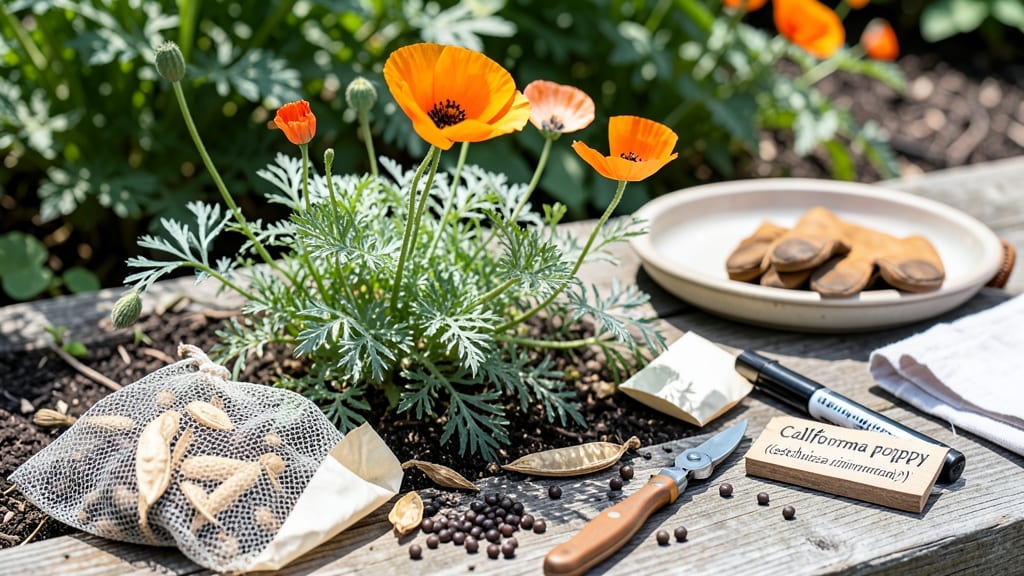
How to collect California poppy seeds requires precision—those tiny seeds wait inside papery pods, but timing is everything. Harvest too early, and seeds won’t be viable; too late, and the wind will scatter them before you can collect. The key is watching for pods that turn from green to dry and papery, usually late summer to early fall depending on your climate. One wrong move, and you’ll end up with empty pods or seeds that won’t sprout next season.
You’ll need just a few simple tools: thick gardening gloves (those pods are prickly), a bucket or breathable fabric bag (to prevent moisture buildup), and a pair of scissors or pruners. Work on a dry day when humidity is low—this keeps seeds from molding in storage.
The goal is to gather pods before they split open naturally, but don’t rush; overripe pods release seeds easily, making collection messy and inefficient.
Once you’ve harvested, let the pods dry completely in a well-ventilated, shaded area for a few days. Then, gently crush them to release the seeds—no need for heavy tools, just a rolling pin or your hands in gloves.
Store the seeds in a paper envelope or breathable container in a cool, dry place. They’ll stay viable for 2–3 years if kept dry, so label everything clearly. The reward? A vibrant poppy patch next spring that spreads effortlessly.
Watch out for windy days—California poppies are notorious seed dispersers, and a gust can turn your harvest into a lost cause. If you’re in a breezy area, collect pods early in the morning when winds are calm.
Patience and timing turn this task from frustrating to rewarding, with seeds ready to grow into those iconic orange blooms you love.
📚 In This Guide
- What you need
- Instructions
- Tips and common mistakes
- Wrapping up and next steps
What you need
- ● Gloves (nitrile or leather) – Protects hands from thorns and prickly stems (1 pair).
- ● Scissors or pruning shears – Sharp, clean tools for cutting seed heads (1 pair, sterilized with rubbing alcohol).
- ● Paper bags or breathable fabric sacks – For collecting seeds (5–10 bags, 12" x 18" or larger).
- ● A flat tray or shallow container – To spread seeds for drying (1–2, ~12" x 18").
- ○ Drying screen or mesh – Optional but helpful for airflow (1, ~12" x 12").
- ● Labeling tags & marker – To track seed varieties (10+ tags).
- ● Sunny, dry location – A garage, shed, or well-ventilated porch (must be warm, 70–80°F).
- ● Seed winnowing basket or fan – Speeds up separating seeds from chaff (1).
- ● Desiccant packets – Reduces moisture if humidity is high (2–3 packets).
- ● Storage jars with airtight lids – For long-term seed preservation (5–10 jars, 8 oz or larger).
- ● Camera or notebook – To document plant traits for future reference.
Step-by-Step instructions for harvesting California poppy seeds
Here’s how to gather seeds from mature California poppies without damaging the plant or wasting a single pod.
Identify the Right Time to Harvest
Wait until the poppy blooms have fully faded and the seed pods turn from green to a dry, papery brown color. This usually happens in late summer to early fall, depending on your climate. You’ll know they’re ready when the pods rattle slightly when shaken—this means the seeds are fully developed inside.
Harvesting too early results in immature seeds that won’t germinate, while waiting too long risks the pods splitting open on their own and scattering seeds prematurely. If you see the pods starting to crack, act quickly—this is your final window.
Gather the Seed Pods
Use clean, sharp scissors or pruning shears to snip the entire seed pod from the stem. Cut just above the base of the pod to avoid leaving stubs that can harbor disease. Place the pods in a paper bag or cardboard box—these materials allow airflow while preventing moisture buildup, which can cause mold.
Work in the early morning when the pods are dry and the seeds are less likely to stick to the stems. If you harvest later in the day, the pods may have absorbed dew or humidity, making them stickier and harder to process later.
Dry and Process the Pods
Spread the pods out in a single layer on a clean, dry surface, like a baking sheet or mesh screen, in a warm, dry place out of direct sunlight. Let them dry for 3-5 days, stirring them occasionally to ensure even drying. The pods are fully dry when they crumble easily between your fingers.
Once dry, gently crush the pods with your hands or a rolling pin to release the seeds. Sift the mixture through a fine-mesh strainer to separate the seeds from the chaff. Store the seeds in a sealed, airtight container in a cool, dark place until you’re ready to plant.
Store Seeds for Future Planting
Label your seed container with the date and variety (if applicable) to track freshness. California poppy seeds remain viable for 2-3 years when stored properly. Keep them in a dry environment—moisture is the enemy of seed longevity, so avoid plastic bags that can trap humidity.
If you notice any signs of mold or mustiness in the container, discard the seeds immediately. Fresh seeds will have a slightly papery texture and a light, earthy scent—never a sour or fermented smell.
Tips & tricks for perfect California poppy seed collection
Took me a while to figure out these little tricks that'll make all the difference when harvesting those delicate poppy pods.
Harvesting Timing: The 3-5 day drying period in Step 3 is non-negotiable—this ensures the seeds are fully mature and ready for storage. I learned this the hard way after trying to rush the process and ending up with seeds that wouldn't germinate. Place the pods in a warm, dry spot like a sunny windowsill (but not direct sunlight) to speed up drying without risking heat damage. If you're in a humid climate, consider using a small fan on low to circulate air while they dry.
Pod Handling: When gathering pods in Step 2, work quickly but gently—poppy pods are fragile and can split open if handled roughly. I recommend using a small bucket with a handle to collect them, as paper bags can tear easily when full. Also, avoid harvesting on rainy days; even light moisture can make the pods stick together and attract mold during storage.
Storage Wisdom: The 2-3 year viability mentioned in Step 4 is impressive, but only if you store them properly. I add a small packet of silica gel to my seed containers as an extra moisture absorber—this helps maintain dryness even in humid environments. When labeling your containers, include the harvest date and any notes about seed source or variety, as these details become invaluable for future reference.
Pro Tips for Collect California Poppy Seeds
- Took me a while to figure out these little tricks that'll make all the difference when harvesting those delicate popp...
- Harvesting Timing: The 3-5 day drying period in Step 3 is non-negotiable—this ensures the seeds are fully mature and ...
- Pod Handling: When gathering pods in Step 2, work quickly but gently—poppy pods are fragile and can split open if han...
Frequently asked questions
Got questions about collecting California poppy seeds? Here are some of the most common ones—plus quick answers to help you succeed!
When is the best time to harvest California poppy seeds?
The ideal time is when the seed pods turn brown and papery (usually late summer to early fall). Avoid harvesting if pods are still green—the seeds won’t be mature. Wait until they’re dry but haven’t split open yet for the best yield!
How do I know if the seeds are ready to collect?
Gently squeeze a seed pod—if it crumbles easily, the seeds inside are ready! Also, check for tiny black seeds inside the pod. If they’re dark and firm, they’re harvest-ready. Pro tip: Collect on a dry, sunny morning for easier handling.
Can I collect seeds from wild California poppies?
Yes, but check local regulations first—some areas protect wild poppies. If harvesting from public land, take only what you need and avoid disturbing habitats. For ethical sourcing, consider buying seeds from reputable nurseries or seed banks.
What if my seed pods open too soon and scatter seeds?
If pods split prematurely, try covering them with breathable fabric (like cheesecloth) to trap seeds. Alternatively, harvest pods when they’re still slightly green and dry them indoors. Avoid shaking plants—this can cause premature seed loss!
How do I store collected California poppy seeds?
Store seeds in a cool, dry place (like a sealed jar or envelope) away from direct sunlight. Label them with the harvest date! Seeds stay viable for 2–3 years if stored properly—just like a little botanical time capsule.
Wrapping up and next steps
Collecting California poppy seeds is a rewarding way to propagate these vibrant blooms or enjoy their unique flavors—whether in cooking or teas.
By timing your harvest just right (when seed pods turn tan and papery) and using gentle techniques like shaking or hand-picking, you’ll maximize your yield without damaging the plant. Now that you’re equipped with the know-how, why not share your bounty? Try planting your seeds next season or gifting them to fellow gardening enthusiasts!
Happy harvesting, and may your poppies bloom brighter than ever! 🌸