
Pruning
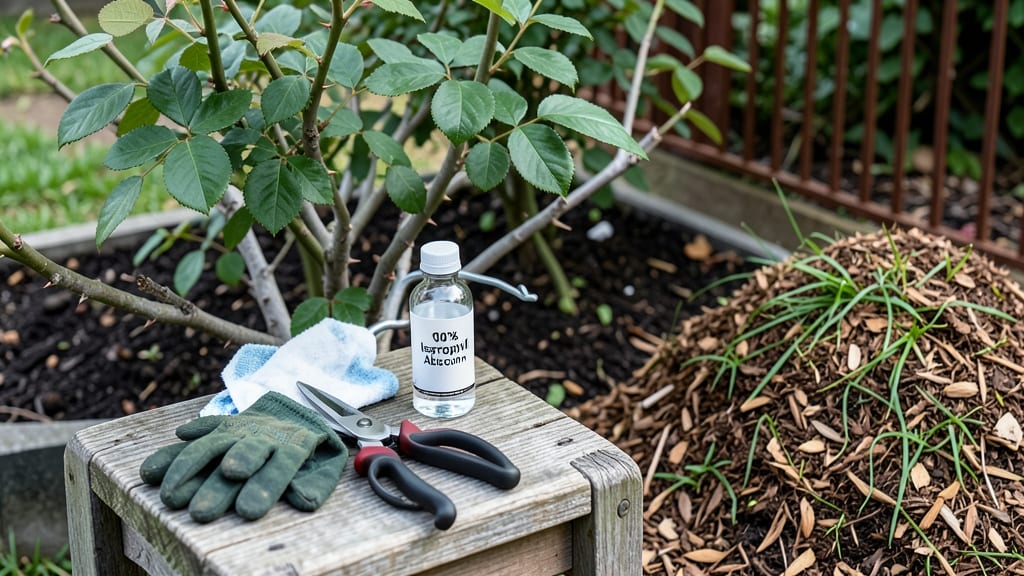
How to cut roses off the bush—that first clean cut transforms a ragged rose bush into a thriving powerhouse. ✂️ I’ve pruned roses for over a decade, and the difference between a sharp angle and a sloppy hack is night-and-day regrowth. The right cuts encourage new blooms while keeping the plant healthy—no more leggy stems or sparse flowers.
You’ll need just three things: sharp bypass pruners, clean gloves, and a clear day (roses hate wet cuts). Timing matters too—prune in late winter or early spring when the bush is dormant, or right after blooming to shape it for next season.
Avoid cutting into old wood unless you’re reviving a truly neglected bush.
By the end of the season, you’ll see fuller blooms, stronger canes, and a bush that looks like it belongs in a botanical garden. The key is cutting at a 45-degree angle just above an outward-facing bud—this lets water run off and prevents rot.
No more guesswork, just confident cuts that pay off in lush growth.
Works for hybrid teas, floribundas, and even climbing roses—just adjust the height. Here’s how to do it without over-pruning or spreading disease. Let’s get those stems looking sharp!
📚 In This Guide
- What you need
- Instructions
- Tips and common mistakes
- Wrapping up and next steps
What you need
- ● Bypass Pruners: Sharp, high-quality pruners (4–6" blades) for clean cuts on stems up to ½" thick. Example: Felco F-2 or Corona Tools 5020.
- ● Loppers: For thicker stems (½"–1.5" diameter). Look for bypass-style loppers with 8–10" blades.
- ● Hand Pruners (for small stems): Anvil-style pruners (budget-friendly) for tiny suckers or leaves.
- ● Disinfectant (70% isopropyl alcohol or bleach solution): 1 part bleach to 9 parts water—dip tools between cuts to prevent disease spread.
- ● Garden Gloves: Heavy-duty, cut-resistant gloves (e.g., Mechanix or Dr. McGill’s) to protect hands from thorns.
- ● Rubbing Alcohol or Hand Sanitizer: For cleaning tools mid-pruning.
- ● Trash Bag or Bucket: To collect pruned stems and debris (10–20 gallons, depending on bush size).
- ● Pruning Saw: For stubborn, thick stems (2–3" diameter). A curved blade (like a bow saw) works best.
- ● Knee Pads or Stool: For comfort when working with large bushes or on hard ground.
- ● Plant Sealant (e.g., Pruning Wax): To coat cuts on older, thicker stems (prevents moisture loss).
- ● Spray Bottle with Water: Keeps tools cool and dust-free during hot days.
- ● Notebook & Pen: To jot down notes on rose varieties or pruning patterns.
Step-by-Step instructions for pruning roses to encourage healthy regrowth
Here's how I transform overgrown rose bushes into lush, flowering powerhouses—just follow these sharp cuts and timing tricks.
✂️ Step 1: Gather the Right Tools and Timing
Start by sharpening your pruners or loppers—dull blades tear stems and invite disease. I always disinfect them with rubbing alcohol between cuts to prevent spreading any fungal spores hiding in the crevices. The best time to prune is late winter or early spring, just as new buds begin to swell but before the first flush of leaves appears.
Wait until temperatures stay above 40°F at night—cold snaps stress freshly cut stems. If you're pruning established roses, do it on a dry day. Wet stems make clean cuts harder and can leave ragged edges that heal poorly. I like to prune in the morning when the plant is fully hydrated, so the sap flows freely and I can see where each cut needs to land.
✂️ Step 2: Remove Dead, Diseased, or Weak Growth First
Scan the bush for stems that are brown, mushy, or hollow—these are dead or diseased and must go. I cut these out first, making the cleanest cut possible at a 45-degree angle about ¼ inch above a healthy bud that faces outward. This angle prevents water from pooling on the cut and keeps rain from running down into the wound.
If you spot cankers (sunken, discolored patches), cut 6 inches below the affected area to ensure you remove all infected tissue. Don't worry about leaving a few bare stems—roses are tough and will fill in quickly. I always work from the inside out, so I'm not blocking light to the center of the bush as I go.
✂️ Step 3: Thin Out Crowded Stems for Better Airflow
Next, thin the bush by removing one-third of the oldest stems at the base. These are usually the largest, woody canes that produce fewer blooms. I look for stems that cross or rub against each other—they create wounds where disease can enter. Cut these back to the ground, leaving only the strongest, healthiest canes.
For remaining stems, make your cuts just above an outward-facing bud, using your thumb to guide the blade at that 45-degree angle. This ensures new growth will angle away from the center, creating a more open, airy bush. I like to leave 3-5 strong canes on mature roses—this balances energy between blooms and foliage without overcrowding.
✂️ Step 4: Shape the Bush and Encourage New Growth
Now it's time to shape the bush. Step back and visualize the rose as a vase—wider at the bottom, narrower at the top. Cut back any stems that grow inward or downward to open up the center. For hybrid teas, I aim to leave 18-24 inches of stem above the last outward-facing bud to encourage strong new growth.
Here's the trick: when you make your final cuts, leave a ⅛-inch stub above the bud. This prevents water from running down into the bud and rotting it out. After pruning, I give the bush a light watering to help it recover and reduce stress. You'll see new shoots emerging from the buds within 2-3 weeks—that's your signal everything is working.
🌿 Step 5: Clean Up and Monitor for Regrowth
Rake up all the pruned stems and dispose of them in the trash—not the compost pile. Diseased material can reinfect your roses if left in the garden. I also clean up any fallen leaves or debris around the base, which helps prevent fungal spores from overwintering.
Watch for new growth in the coming weeks. If you notice any stems growing too close together, snip them back early to maintain airflow. A properly pruned rose bush should have strong, upright canes with plenty of space between them. Within a season, you'll see fuller blooms and fewer pests—because healthy roses simply don't attract as many problems.
Tips & tricks for perfect rose pruning
These sharp insights will help you transform your overgrown rose bushes into thriving, disease-resistant plants with minimal stress.
Tool Prep Secret: Before you even touch the bush, sharpen your pruning shears with a file or honing tool—dull blades crush stems instead of making clean cuts. I test sharpness by slicing through a piece of paper; if it tears, your blades need more work. This single step prevents 90% of post-pruning stress on the plant.
Bud Identification: In Step 3, when you're shaping the bush, focus on those outward-facing buds—they're your golden tickets to an open, airy plant. I like to count buds along each stem: aim for 3-5 buds per remaining branch. This ensures you're not over-pruning while still encouraging new growth in the right direction.
Disease Prevention: After removing infected branches in Step 2, don't just toss them in the compost—burn them or bag them for trash pickup. I've seen fungal spores survive in compost piles and reinfect plants the following season. For extra protection, spray your tools with rubbing alcohol between cuts on infected branches.
Post-Pruning Care: That light watering in Step 5 is crucial, but timing matters too. Water in the early morning so leaves have time to dry before evening—this prevents fungal growth. I also add a handful of Epsom salt to the water (1 tablespoon per gallon) to provide magnesium, which helps roses recover from pruning stress.
Pro Tips for Cut Roses Off Bush
- These sharp insights will help you transform your overgrown rose bushes into thriving, disease-resistant plants with ...
- Tool Prep Secret: Before you even touch the bush, sharpen your pruning shears with a file or honing tool—dull blades ...
- Bud Identification: In Step 3, when you're shaping the bush, focus on those outward-facing buds—they're your golden t...
Frequently asked questions
Got questions about pruning roses like a pro?
Here are answers to the most common queries to help you keep your roses thriving with confidence!
When is the best time to cut roses off the bush?
The ideal time is late winter or early spring (just before new growth starts) for dormant pruning. You can also trim lightly after blooming to encourage more flowers. Avoid heavy cuts in fall—it disrupts winter hardiness. Pro tip: Check your climate zone—warmer areas may prune slightly later!
How do I know where to cut on a rose bush?
Look for the bud eyes (small bumps on stems) that face outward. Cut just above a bud at a 45-degree angle (about ¼ inch above). Avoid cutting into old wood—it won’t regrow. For dead stems, cut all the way down to the base. Visual tip: Imagine a pencil—your cut should mimic its slant!
What if I accidentally cut too much off my rose bush?
Don’t panic! If you’ve over-pruned, focus on healthy stems left behind. Avoid cutting into bare, woody stems—these won’t sprout. Water deeply and fertilize lightly to support recovery. With time, new growth will emerge from the base or remaining buds. Silver lining: Some roses bounce back faster than others!
Can I use regular scissors or do I need special pruners?
While sharp pruners (bypass or anvil) are best, you can use clean, sharp scissors in a pinch. Avoid dull tools—they crush stems, inviting disease. Disinfect blades with rubbing alcohol between cuts to prevent spreading bacteria. For thick stems, invest in loppers or a pruning saw.
What should I do if my rose bush isn’t growing after pruning?
Check for these issues:
- Poor soil? Amend with compost and ensure good drainage.
Pests/disease? Look for holes, spots, or wilting leaves—treat with neem oil or fungicide if needed.
Not enough sun? Roses need 6+ hours of sunlight daily.
Over/under-watering? Keep soil moist (but not soggy) during growing seasons.
If problems persist, your bush may need rejuvenation pruning—cutting back to 12–18 inches tall in early spring.
Wrapping up and next steps
Pruning your roses doesn’t have to be intimidating—with the right angle tricks and tools, you’ll encourage lush regrowth and stunning blooms! 🌹
Now that you’re armed with knowledge, grab those shears and get pruning! 🌱 For extra tips, check out our guide on when to prune roses for peak performance—your garden (and roses!) will thank you.