
Blooming
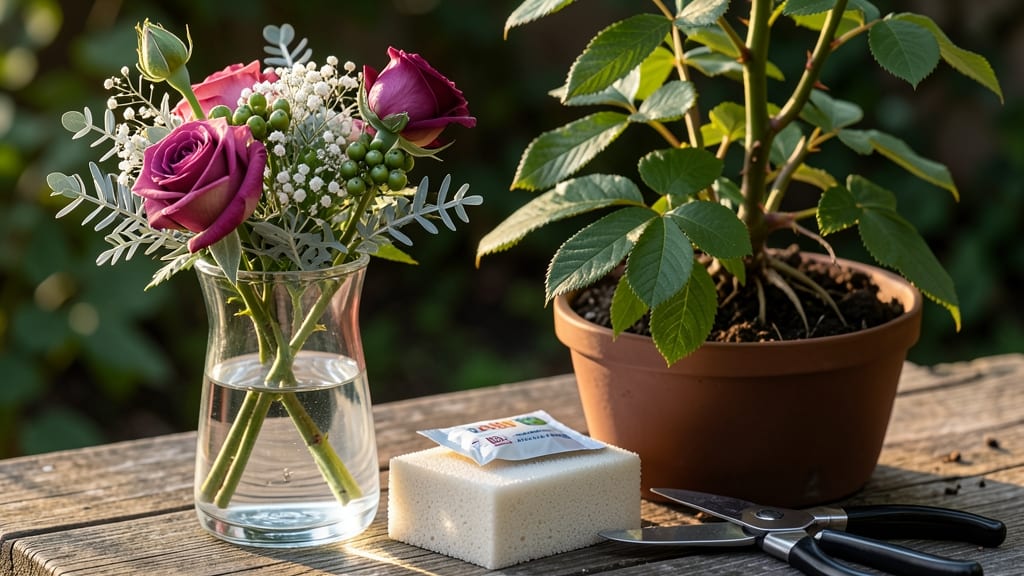
Long stem roses deserve a showstopping display—nothing beats their dramatic height when arranged just right. 🌹 I’ve spent years perfecting how to make them the centerpiece of any space, whether it’s a rustic farmhouse table or a minimalist outdoor urn.
The secret isn’t just the vase; it’s how you balance stems, leaves, and negative space to create real impact.
Start with the right vessel—think tall, slender vases or vintage bottles for indoor drama, or sturdy ceramic pots for outdoor durability. Remove lower leaves to prevent rot, then trim stems at an angle for better water absorption.
For a wild, organic look, let stems vary in height; for structured elegance, trim them to uniform lengths. The key is confidence—don’t overcrowd the vase, or those lush blooms will fight for attention.
You’ll end up with arrangements that turn heads, whether it’s a single stem in a simple glass pitcher or a lush bouquet spilling over a wooden trough. Add greenery like eucalyptus or ferns to fill gaps, and consider seasonal pairings—peony foliage in spring, dried grasses in fall.
The result? Roses that feel like they belong in a magazine spread, not just a garden or dining table.
This works for any space—sunlit porches, cozy living rooms, or even a grand entryway. The techniques scale from a single stem to a full-scale garden display. Let’s make those roses the star they’re meant to be.
📚 In This Guide
- What you need
- Instructions
- Tips and common mistakes
- Wrapping up and next steps
What you need
- ● Long-stem roses: 3–12 stems (depending on desired fullness; 6–8 is ideal for a balanced look). Choose stems with at least 24–36 inches of length for maximum height.
- ● Vase: A tall, narrow container (e.g., a chiavari vase, glass cylinder, or ceramic urn) with a height-to-width ratio of 3:1 or greater. Minimum height: 12–18 inches (taller for dramatic effect).
- ● Fresh-cut flower food: 1 packet (or 1 tsp sugar + 2 drops bleach per quart of water as a DIY alternative).
- ● Sharp floral shears or scissors: Clean, sterilized to prevent bacterial growth.
- ● Water: Room-temperature, distilled, or filtered (tap water may contain chlorine or bacteria).
- ● Newspaper or damp paper towels: For trimming and cleanup.
- ● Floral preservative spray: Extends vase life by 2–3 days.
- ● Decorative elements: Gravel or pebbles (for a natural, rustic look in the vase base).
- ● Ribbon, lace, or twine (for elegant wrapping around stems).
- ● Greenery (e.g., eucalyptus or ivy) to fill gaps and add texture.
- ● Vase filler: Chicken wire or floral tape to secure stems in place if needed.
- ● Backdrop or stand: A wooden easel, mirror, or elevated tray to enhance height and drama.
Tips & tricks for dramatic long-stem rose displays
Small details make all the difference when arranging long-stem roses—here's how to elevate your floral arrangements from ordinary to show-stopping.
Vase Selection Matters: While the instructions recommend a 6-inch vase, consider using a narrower vase (4-5 inches in diameter) for taller arrangements—it forces stems to lean outward naturally, creating that coveted cascading effect. For extra height, choose a vase with a tapered neck that allows stems to extend upward without crowding. Glass vases with thick bases also help prevent tipping when stems lean dramatically.
The Angle Game: When trimming stems at a 45-degree angle in Step 2, make sure your cut is even and clean—uneven cuts create air pockets that block water uptake. For an extra boost, score the bottom of each stem with a sharp knife after cutting. This creates tiny openings that help stems drink up water faster, keeping your roses perky for days. I like to do this right before arranging so the stems stay fresh longest.
Hidden Height Trick: In Step 3, when arranging stems, tuck the longest stems along the sides of the vase rather than just in the center. This creates a natural, organic spread that adds 3-4 inches of height to your arrangement without needing taller stems. For an even more dramatic look, gently twist the stems at the base before inserting them—this subtle bend creates movement and makes the flowers appear taller.
Light and Longevity: The instructions mention indirect light, but here's a pro tip: if you're displaying roses in a room with bright indirect light, rotate your vase every 24 hours to ensure even exposure. This prevents one side from leaning toward the light and keeps the arrangement balanced. For maximum longevity, place your vase on a cool surface (like a marble countertop) to help maintain water temperature and slow bacterial growth.
Pro Tips for Display Long Stem Roses
- Small details make all the difference when arranging long-stem roses—here's how to elevate your floral arrangements f...
- Vase Selection Matters: While the instructions recommend a 6-inch vase, consider using a narrower vase (4-5 inches in...
- The Angle Game: When trimming stems at a 45-degree angle in Step 2, make sure your cut is even and clean—uneven cuts ...
Frequently asked questions
Got questions about keeping your long-stem roses looking their best?
Here are some of the most common concerns—and their solutions—to help you master the art of dramatic floral displays.
How long can I keep long-stem roses in a vase before they wilt?
With proper care, long-stem roses can last 7 to 10 days—sometimes even longer! Change the water every 2 days, trim stems at an angle, and remove leaves submerged in water to prevent bacterial growth. Keep them away from direct sunlight or drafts.
Why are my long-stem roses drooping even after I trimmed the stems?
Drooping can mean thirsty stems or air bubbles blocking water flow. Re-cut stems under water at a 45-degree angle, then place them in fresh, room-temperature water. If they’re still limp, they may be overripe—replace them with fresher blooms.
Can I display long-stem roses in a tall, narrow vase, or do they need a wide base?
Both work! A tall, narrow vase (like a cylinder) emphasizes height, while a wide base (like a pedestal) adds stability for windy areas. For extra drama, try a vase with a flared top—it balances the stems beautifully while keeping the focus on their length.
How soon after cutting should I arrange long-stem roses in a vase?
Trim stems immediately after purchase and place them in water within 30 minutes to prevent wilting. If you’re prepping ahead, store them in a cool, dark place (like a fridge) with stems in a bucket of water—just arrange them within 24 hours for best results.
What’s the best way to arrange long-stem roses in a bouquet without them toppling over?
Start by placing 3-5 stems in the vase, then fan them out in a tripod shape for stability. Add floral tape or fishing line to secure stems together if needed. For extra height, use a weighted base (like a heavy vase or sand in the bottom) to anchor them.
Wrapping up and next steps
Displaying long stem roses is all about creativity, balance, and confidence—your bouquet deserves to shine! Whether you’re arranging them in a sleek glass vase, a rustic mason jar, or an artistic sculpture, the key is to embrace their height and let them dominate your space.
With the right techniques, you’ll create a showstopping centerpiece that wows every time.
Ready to elevate your floral game? Grab those roses and experiment! Try a new arrangement style this weekend—your home (and your guests) will thank you. 🌸✨