
How To
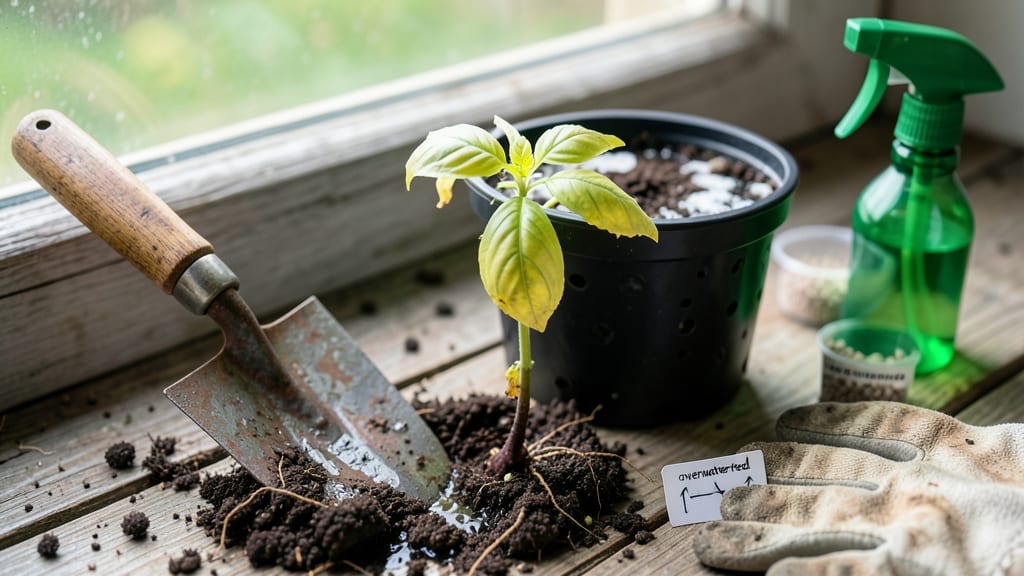
How to fix an overwatered seedling—your drooping leaves don’t mean it’s a lost cause. 🌱 Overwatering happens to every gardener—even me—and with the right moves, you can bring those roots back to life before it’s too late. The key is acting fast, checking the soil, and giving the plant room to breathe again.
Start by gently removing the seedling from its pot and inspecting the roots. Healthy roots are firm and white, while mushy or black roots signal rot. If you see that, trim the damaged parts with clean scissors, then let the roots air-dry for 10-15 minutes.
This isn’t about drowning the plant—it’s about giving it a chance to recover.
Once the roots have dried slightly, repot in fresh, well-draining soil and a container with drainage holes. Water lightly only when the top inch of soil feels dry, and keep it in bright, indirect light.
Within a week, you’ll see new signs of life—perky leaves and steady growth mean you’ve turned things around.
Prevent future overwatering by sticking your finger in the soil before watering—if it’s damp, wait. And always use pots with drainage holes. Trust me, this simple shift saves more seedlings than you’d think.
Root Causes of Overwatering
Overwatered seedlings don’t just happen by accident—they’re often the result of well-meaning gardeners making common mistakes. Understanding the why behind soggy soil and struggling roots is the first step to preventing (and fixing) this problem. Let’s break down the key culprits:
---
Seedlings thrive in soil that drains just enough to keep roots moist but not drowning. When containers lack drainage holes or soil compacts too tightly, excess water pools at the roots instead of seeping away.
This creates anaerobic conditions—a suffocating environment where roots can’t access oxygen, leading to: - Root rot (fungal infections like Pythium or Phytophthora thrive in waterlogged zones). - Stunted growth (roots suffocate and stop absorbing nutrients). - Yellowing leaves (a sign of oxygen deprivation, not just overwatering).
💡 Pro Tip: Test your soil’s drainage by filling a container with water—if it drains in under 30 seconds, it’s good; if it takes hours, amend with perlite or sand.
---
Many gardeners assume seedlings need daily watering, but frequency depends on soil type, humidity, and pot size.
Overwatering occurs when: - Small containers dry out fast, but gardeners water before checking moisture levels. - Humid climates slow evaporation, tricking growers into thinking soil is drier than it is. - Automatic watering systems (like drip irrigation) run on timers without adjusting for weather.
🔍 Science Check: Stick your finger 1 inch deep into the soil—if it’s damp, wait. If dry, water slowly until it runs out the drainage hole.
---
Cold or humid conditions slow evaporation, making soil stay wet longer than expected.
For example: - Cooler temps (below 60°F/15°C) reduce transpiration (water loss through leaves), keeping roots soggy. - High humidity (like in greenhouses or rainy seasons) prevents excess moisture from escaping. - Plastic grow bags or tight-fitting lids trap moisture, creating a greenhouse effect.
⚠️ Warning: Seedlings in closed containers (like seed trays without ventilation) are especially vulnerable—roots can rot in as little as 48 hours of excess moisture.
--- Not all soil is created equal. Heavy, clay-based mixes or garden soil (without amendments) hold water like a sponge, while lightweight seed-starting mixes drain too quickly.
The imbalance leads to: - Compacted soil that repels air but clings to water. - Lack of organic matter (like coconut coir or peat) to retain just enough moisture. - Salinity buildup from tap water or fertilizers, which worsens root stress.
🌿 Fix It: Use a 50/50 mix of seed-starting soil and perlite/pumice to balance moisture and aeration.
--- Tap water with high chlorine, fluoride, or mineral content can alter soil chemistry, making it harder for roots to absorb water properly.
Over time, this leads to: - Salt buildup on soil surfaces (visible as white crust). - pH fluctuations that stress roots (ideal range: 5.8–6.2 for seedlings). - Toxicity in sensitive plants like lettuce or herbs.
💧 Quick Test: Let tap water sit 24 hours before watering to reduce chlorine. For critical seedlings, use rainwater or distilled water.
--- When seedlings are planted too close together, their leaves shade the soil, slowing evaporation. Meanwhile, shared root zones compete for oxygen, trapping moisture.
Signs include: - Fungal diseases (like damping-off) spreading between plants. - Weak stems that can’t support themselves in wet conditions. - Nutrient depletion as roots suffocate in a small, waterlogged space.
📏 Spacing Rule: Thin seedlings to 1–2 inches apart in trays and 2–3 inches apart in larger pots to improve airflow.
--- Seasonal shifts—like moving seedlings from a warm windowsill to a cold garage—can disrupt their water needs.
For example: - Sudden temperature drops reduce transpiration, making soil stay wet longer. - Wind or rain can oversaturate soil if pots lack protection. - Artificial light sources (like grow lights) increase evaporation, but natural light fluctuations can trick growers into overcompensating with water.
🌦️ Adjust Accordingly: Reduce watering by 30–50% in cooler weather or when humidity rises.
Revive Your Seedlings Now
Overwatered seedlings can feel like a lost cause, but with the right steps, you can nurse them back to health—often faster than you think! The key is acting quickly and addressing the root (literally) of the problem.
Below, we’ll match common causes of overwatering to practical fixes, plus tips to keep your future seedlings thriving.
---
Cause: Root rot or oxygen starvation from soggy soil.
How to Fix It: 1. 🔥 Stop Watering Immediately - Let the soil dry out completely before watering again. Use your finger to check moisture—if the top 1–2 inches feel damp, wait.
2. 🍳 Repot in Fresh, Dry Soil - Gently remove the seedling from its container and trim any black, mushy roots with sterilized scissors.
Healthy roots are firm and white. - Repot in a well-draining mix (50% potting soil + 50% perlite or vermiculite) and use a clean pot with drainage holes.
3. 👨🍳 Boost Airflow & Light - Move the seedling to a bright, indirect spot (avoid direct sun, which stresses weak plants). - Place a small fan nearby on low setting to prevent fungal growth and encourage evaporation.
4. ⏰ Monitor & Adjust - Water only when the top inch of soil is dry—use a spray bottle for occasional misting if needed. - If leaves stay yellow, the damage may be permanent, but new growth should emerge within 1–2 weeks.
--- Cause: Poor drainage or compacted soil trapping excess water.
How to Fix It: 1. 🔪 Improve Drainage Fast - For containers: Add a 1-inch layer of perlite or gravel at the bottom before repotting. - For garden beds: Mix in compost or coconut coir to loosen heavy soil and improve aeration.
2. 🌡️ Test Your Soil - If your potting mix retains water like a sponge, switch to a seedling-specific blend (lighter and faster-draining). - For garden soil, do the "squeeze test": Grab a handful—if it holds a shape, it’s too dense. Amend with sand or organic matter.
3. 🎯 Prevent Future Problems - Use saucers wisely: Empty excess water 30 minutes after watering to avoid root suffocation. - Choose the right pot: Terracotta pots dry faster than plastic—opt for them if you’re prone to overwatering.
--- Cause: Excess moisture + poor airflow creates the perfect fungus party.
How to Fix It: 1. ✨ Clean Up the Scene - Remove all affected soil from the pot and discard it (don’t reuse it—it’s contaminated). - Wipe the pot with a 1:10 bleach-water solution (rinse well) or hydrogen peroxide (3%) to kill spores.
2. 💡 Treat with Fungicide (If Needed) - Spray the seedling (and new soil) with neem oil or baking soda solution (1 tsp baking soda + 1 quart water + few drops of soap). - For severe cases, use a store-bought fungicide like copper-based sprays.
3. 🌿 Quarantine & Ventilate - Keep the seedling isolated from other plants until fully recovered. - Increase airflow with a small fan or open windows to dry leaves faster.
--- - 🔥 Water in the Morning: Soil has all day to dry out, reducing fungal risks. - 🌡️ Use a Moisture Meter: These $10 tools tell you exactly when to water—no guesswork! - 🎯 Bottom Watering Hack: Place pots in a tray of water for 10–15 minutes—roots absorb what they need without drowning. - ✨ Save "Almost Dead" Seedlings: Even if 50% of the plant looks bad, healthy roots can regrow—give it time!
--- Remember: Overwatered seedlings are often salvageable—don’t toss them! With these fixes, you’ll see new growth in 3–7 days. And once they’re back on track, adjust your watering habits to avoid repeat offenses. 🌱💦
Frequently asked questions
How do I know if my seedling has root rot?
Check the roots for black, mushy spots or a foul smell—these are clear signs of root rot. Healthy roots should be firm and white. If you see these symptoms, trim the damaged parts immediately with clean scissors before repotting in fresh, dry soil.
Can I save a seedling with completely black roots?
It depends! If any white, firm roots remain, there’s hope—trim the black roots and repot in fresh soil. However, if the entire root system is black and mushy, the seedling likely won’t recover. Focus on preventing future issues with better drainage and watering habits.
Why does my seedling wilt after I water it?
Wilting after watering often means the roots can’t absorb moisture due to rot or compacted soil. Let the soil dry out completely, then repot in a well-draining mix. Avoid watering until the top inch of soil feels dry to the touch—this gives roots time to recover.
How often should I water seedlings after fixing overwatering?
Water only when the top 1 inch of soil is dry—usually every 3–5 days, depending on humidity and pot size. Use a moisture meter or stick your finger in the soil to check. Morning watering helps soil dry faster and reduces fungal risks.
What’s the best soil mix to prevent overwatering?
A 50/50 blend of seed-starting soil and perlite or vermiculite works best. This mix drains well while retaining enough moisture. For garden beds, amend heavy soil with compost or coconut coir to improve aeration and prevent waterlogging.