
Propagation
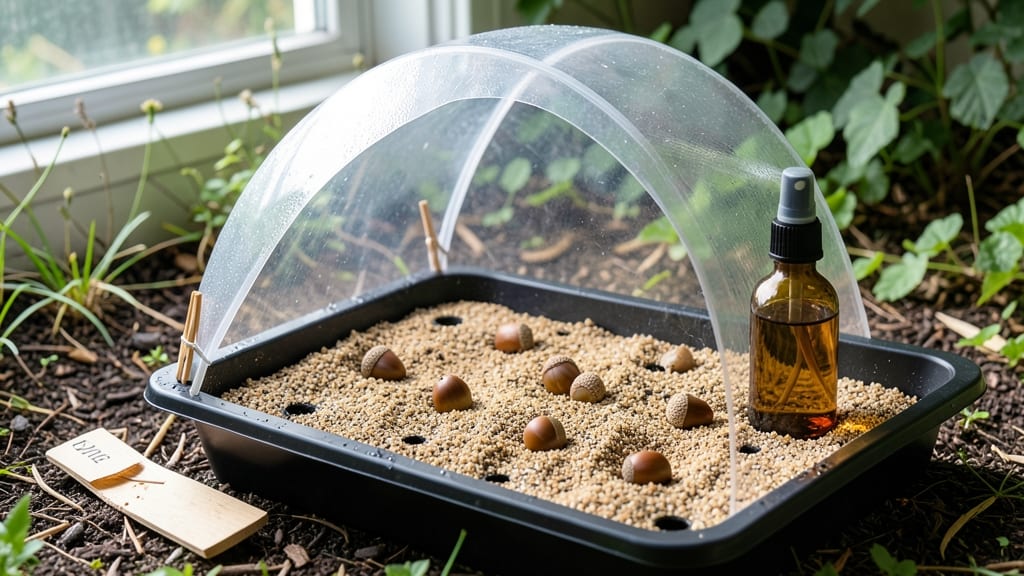
Germinating oak tree seeds takes three months of patience—but those first green shoots are worth every wait. 🌱 I’ve struggled with acorns turning to mush or sprouting too late, but this cold stratification method finally cracked the code for me.
The secret isn’t just burying seeds; it’s mimicking nature’s timing and conditions to break dormancy. You’ll need moist sand or peat moss, a sealed container, and a freezer for the cold treatment.
Unlike fast-growing seeds, oaks demand slow, steady progress—think 8-12 weeks in the fridge before even attempting to plant. Most people rush this step, and their seeds never break through the shell. The key is keeping them consistently moist but not soggy during stratification.
Once you see that first root poke through the shell, you’ll know you’ve done it right. Those seedlings will grow into sturdy, disease-resistant trees if given proper light and space. The payoff? A future shade tree that’ll outlive you—and your neighbors’ jealousy.
This method works for white, red, and pin oaks, but each type has slight timing tweaks. Let’s get those acorns sprouting like pros!
📚 In This Guide
- What you need
- Instructions
- Tips and common mistakes
- Wrapping up and next steps
What you need
- ● Oak acorns (seeds): Fresh, mature acorns (preferably from Quercus species like white oak or red oak). Aim for 10–20 seeds to account for variability in germination rates.
- ● Size: Medium to large (1–2 inches in diameter). Avoid shriveled or insect-damaged acorns.
- ● Cold stratification supplies: Moistened peat moss, perlite, or vermiculite: Fill a ziplock bag or small container (8x4 inches) with 2–3 inches of medium. Keep it damp (not soggy).
- ○ Optional: A seed stratification fridge (set to 34–40°F) or a cool basement (if natural temps align).
- ● Planting containers: Small pots (3–4 inches deep) with drainage holes, or a seed tray with individual cells.
- ● Potting mix: Well-draining blend (e.g., 50% peat moss + 50% perlite/sand).
- ● Tools: Scissors or pruners (for trimming acorn caps).
- ● Spray bottle (for gentle watering).
- ● Plastic wrap or humidity dome (to retain moisture during germination).
- ○ pH test kit (optional)—aim for slightly acidic soil (pH 6.0–7.0).
- ● Patience: Oak seeds can take 30–90 days to germinate—plan ahead!
- ● Consistent moisture: Keep media damp (not waterlogged) throughout stratification.
- ● Temperature control: Cold stratification is critical—oaks need 60–90 days in cold to break dormancy.
- ● Light access (post-stratification): Place containers in bright, indirect light (e.g., a sunny windowsill or grow light).
Step-by-step instructions for germinating oak tree seeds
Oak seeds need patience and the right conditions—here's how to break dormancy and get strong starts.
🌱 Step 1: Collect and Prepare the Acorns
Harvest acorns in late fall when they've fallen naturally—green or partially dried specimens won't germinate. Remove any acorns showing signs of insect damage or mold. I like to soak them in lukewarm water for 24 hours first; this softens the hard shell and helps identify any rotten ones that float to the surface.
After soaking, gently rub the acorns between two pieces of sandpaper to roughen the shell slightly. This mimics natural wear and helps water penetrate. Store them in a paper towel-lined container with a sprinkle of water—just enough to keep the towel damp but not soaked. This mimics the moist forest floor conditions oak seeds need.
❄️ Step 2: Cold Stratify for 60-90 Days
Place the container in your refrigerator's crisper drawer where temperatures stay between 35-45°F. This cold stratification mimics winter conditions and breaks the seed's dormancy. Check weekly and mist with water if the towel feels dry—never let it soak the acorns.
After 60-90 days, you'll see tiny roots (radicles) emerge from the acorns. This is your signal that stratification worked! If no roots appear after 90 days, try extending the process another 30 days—some oak varieties are more stubborn than others. Real talk: white oaks often germinate faster than red oaks, so adjust your patience accordingly.
🌱 Step 3: Plant in Germination Trays
Fill 4-inch deep trays with a mix of 50% perlite and 50% peat moss (this ensures excellent drainage while retaining moisture). Plant each acorn 1 inch deep with the pointed end up. Space them 2 inches apart to prevent root competition. I use a pencil to make small holes—it's faster than digging with your fingers.
Water gently until moisture reaches the bottom of the tray, then place it in a shady location with indirect light. Oak seedlings hate direct sun at this stage—it causes the soil to dry out too quickly and stresses the delicate roots. You'll see first true leaves (not the initial seed leaves) emerge in 2-4 weeks after planting.
☀️ Step 4: Gradually Introduce Sunlight
Once seedlings reach 3-4 inches tall and show their second set of leaves, move them to a spot with morning sun and afternoon shade. Oak seedlings grow slowly at first, so don't rush this transition. I like to place them under a 50% shade cloth for the first week to ease them into brighter conditions.
After two weeks, you can increase sunlight exposure by moving them to a 50% sun location (like under a deciduous tree). Watch for leaves that turn yellow or wilt—this means they're getting too much sun too quickly. Strong seedlings will develop thick stems and deep green leaves within 8-12 weeks of germination.
🪴 Step 5: Transplant to Individual Pots
When seedlings reach 6-8 inches tall and have developed 4-5 sets of leaves, transplant them into 4-inch diameter pots filled with a mix of 60% potting soil and 40% compost. Handle the seedlings by their leaves, never the stems—oaks are sensitive to root disturbance and can take weeks to recover.
Water thoroughly after transplanting, then place the pots in a bright, indirect light location for two weeks. This helps them adjust before moving outdoors. I've found that oak seedlings transplanted in early spring (after last frost) establish themselves fastest—just don't let them sit in cold, wet soil for more than a few days at a time.
Tips & tricks for perfect oak seed germination
These insider tricks will help you navigate the patience game of oak seed germination with confidence.
Acorn Selection: When harvesting acorns, look for those that are plump and heavy for their size—these are the most likely to germinate. I've found that acorns with a 1-inch diameter or larger often perform best. Tap two acorns together: the one that makes a hollow sound is likely hollow inside and should be discarded. This simple test saves you from wasting time on non-viable seeds.
Stratification Consistency: The 60-90 days cold stratification period is non-negotiable for breaking dormancy, but maintaining consistent moisture is key. I use a spray bottle to mist the paper towels weekly—just enough to keep them damp like a wrung-out sponge. Too much water creates anaerobic conditions that can rot the acorns, while too little prevents germination. Place a small dish of water in the refrigerator with your container to increase humidity slightly without soaking.
Light Transition Strategy: When moving seedlings from shade to sunlight in Step 4, I recommend a gradual approach over 3-4 weeks rather than the suggested 2 weeks. Start with just 1-2 hours of morning sun daily and increase by 30 minutes every few days. This slow acclimation prevents sunburn and allows the seedlings to develop protective pigments naturally. Think of it like helping a pale-skinned friend get a tan—you wouldn't throw them in the sun all at once!
Transplanting Technique: The two-week recovery period after transplanting is crucial, but I've found that using a 1:1:1 ratio of potting soil, compost, and perlite (instead of the 60:40 mix) gives seedlings a better nutrient boost during this critical adjustment phase. This richer mix helps compensate for the root disturbance while still providing excellent drainage. Water thoroughly after transplanting, then let the top inch of soil dry out completely before watering again—this prevents root rot during the sensitive two-week period.
Pro Tips for Germinate Oak Tree Seeds
- These insider tricks will help you navigate the patience game of oak seed germination with confidence.
- Acorn Selection: When harvesting acorns, look for those that are plump and heavy for their size—these are the most li...
- Stratification Consistency: The 60-90 days cold stratification period is non-negotiable for breaking dormancy, but ma...
Frequently asked questions
Got questions about germinating oak tree seeds? You’re not alone—this process can feel tricky! Below, we’ve answered the most common queries to help you navigate cold stratification and beyond with confidence.
How long does cold stratification take for oak seeds?
Oak seeds typically need 3–6 months of cold stratification (40–50°F) to break dormancy. White oaks often germinate faster (3–4 months), while red oaks may take up to 6 months. Patience is key—don’t rush the process!
Can I use my fridge for cold stratification?
Yes! Place seeds in a sealed container with damp sand or peat moss, then store them in the crispier drawer (not the freezer) for consistent cold temps. Check moisture weekly—seeds should stay damp but not soggy. A fridge mimics natural winter conditions perfectly!
What if my oak seeds won’t germinate after stratification?
Try these fixes:
- Check viability: Float-test seeds—sinkers are viable; floaters are likely dead.
- Adjust moisture: Overly dry or waterlogged seeds may fail. Aim for even dampness.
- Extend stratification: Red oaks need longer; try 6–8 months.
- Scarify shells: Lightly nick the seed coat with sandpaper to help water penetrate.
Are there faster alternatives to cold stratification?
While cold stratification is the most reliable method, you can try:
- Hot water soak: Boil water, pour over seeds for 24 hours (may speed up germination but reduces viability).
- Sulfuric acid treatment: Soak seeds in diluted acid (1:10 ratio) for 15–30 minutes—risky but faster for stubborn seeds.
- Plant immediately outdoors: Direct-sow in fall/winter for natural cold exposure (higher failure rate).
When should I plant stratified oak seeds?
Sow seeds as soon as they sprout (usually 1–3 months post-stratification). For best results:
- Plant in early spring (after last frost) in well-draining soil.
- Keep soil consistently moist but avoid waterlogging.
- Use a seedling tray or small pots for easy transplanting.
Wrapping up and next steps
Germinating oak tree seeds is a rewarding journey that blends patience with nature’s magic! 🌱 By mastering cold stratification
Now that you’re armed with the know-how, it’s time to put theory into action. Grab those acorns, set up your stratification station, and watch life unfold before your eyes. Happy growing—your future oak forest starts with just one seed! 🌳✨