
Blooming
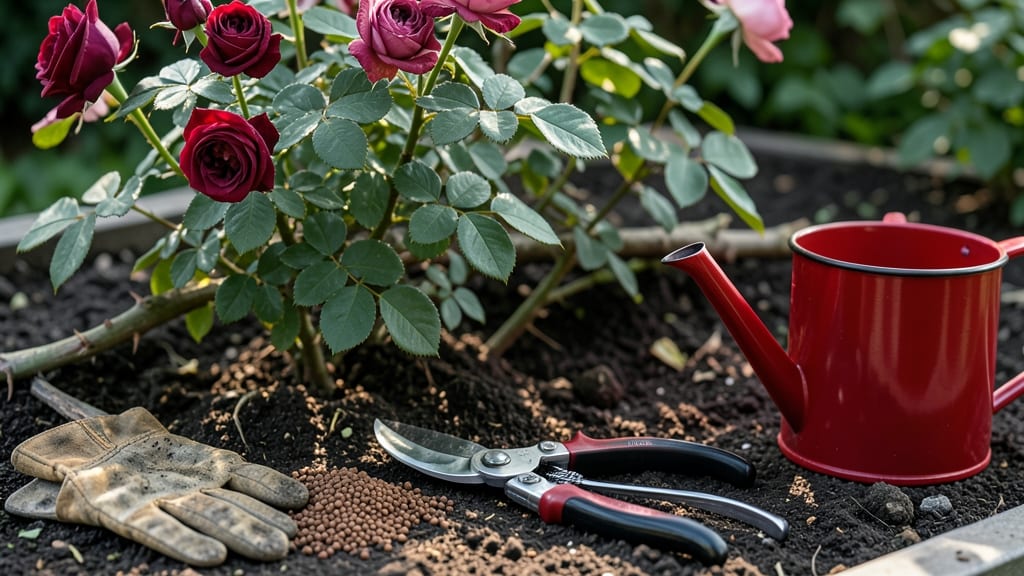
Here’s how to get more blooms on roses—your garden could be bursting with them by next summer. ✨ The secret isn’t buying expensive fertilizer or praying for better luck—it's understanding how roses actually grow. Every cut you make now determines how many flowers you'll have in June, and I've pruned enough roses to know exactly what works.
Most gardeners over-prune or under-prune, and both mistakes lead to fewer blooms. The right technique encourages new growth where you want it—thick, bushy canes covered in buds. You'll need sharp pruners, a clean workspace, and about 30 minutes on a bright day. No fancy tools required, just the right cuts.
By following these steps, you'll see new red shoots emerging within 10-14 days, with the first wave of blooms arriving in 4-6 weeks. The plants stay compact, produce more flowers than you'll know what to do with, and resist disease better than unpruned bushes.
It's the difference between a handful of blooms and a bush so full you need a bucket to collect them.
Works for hybrid teas, floribundas, and shrub roses alike—just adjust the timing slightly for your climate. The same principles apply whether you're pruning in early spring or late winter. Here's how to do it right the first time.
📚 In This Guide
- What you need
- Instructions
- Tips and common mistakes
- Wrapping up and next steps
What you need
- ● Pruning shears or bypass pruners – Sharp, clean, and sterilized (rubbing alcohol or bleach solution works). 1 pair is all you need.
- ● Garden gloves – Heavy-duty, cut-resistant (e.g., mechanized or leather). 1 pair for protection.
- ● Disinfectant (10% bleach solution or hydrogen peroxide) – 1 small spray bottle or bucket to clean tools between cuts.
- ● Rake or cultivator – For clearing debris around the base. 1 lightweight model suffices.
- ● Compost or organic mulch (e.g., shredded bark, straw) – 2–3 gallons to replenish soil nutrients.
- ● Balanced fertilizer (10-10-10 or rose-specific formula) – 1–2 lbs (follow package rates).
- ● Watering can or hose with adjustable nozzle – For deep, even hydration. 1–2 gallons capacity recommended.
- ● Hand lens or magnifying glass – To inspect buds and detect pests early.
- ● Epsom salt (magnesium sulfate) – 1 lb mixed with water (1 tbsp/gal) for green, vibrant foliage.
- ● Slow-release rose fertilizer spikes – 4–6 spikes for seasonal nutrient boosts.
- ○ Pruning sealant (optional) – For large cuts (e.g., tree wound paint), though most roses heal fine without it.
Tips & tricks for pruning roses for maximum blooms
These simple strategies will help you get the most out of your rose pruning—transforming your garden into a blooming paradise.
Timing is Everything: The exact timing of your spring pruning matters more than you might think. Wait until after the last frost when you see those tiny buds swelling at the base of canes—this signals the plant is ready to grow. I've learned this the hard way: pruning too early can damage new growth trying to emerge, while waiting too late risks losing potential blooms. If you're unsure, check your local frost dates or watch for the buds to swell slightly before you begin.
Pruning Angle Secrets: That 45-degree angle isn't just for looks—it's crucial for plant health. When you make your cuts at this angle about ¼ inch above an outward-facing bud, you create a natural water runoff path that prevents rot. I always visualize a tiny roof over the bud when making these cuts. Use your pruners to make clean cuts rather than tearing the cane, which can damage the plant and invite disease. Sharp pruners are non-negotiable here!
Visual Cues for Pruning Success: In Step 2, when you're thinning out crowded canes, look for these visual clues: healthy canes should have thick stems and plump buds, while weak growth appears spindly and lacks buds. The goal is to create an open center where light and air can circulate freely. After pruning, you should be able to see through the center of the plant to the other side—this airflow is what prevents fungal diseases and encourages more blooms. If you're still unsure, snap a photo of your pruned rose and compare it to healthy examples online.
Deadheading Strategy: The 2-3 day deadheading schedule in Step 4 is your secret weapon for continuous blooms. Here's what I've found works best: use clean, sharp pruners (or even clean scissors) to make your cuts just above a set of healthy leaves or an outward-facing bud. This redirecting of energy is what keeps your roses producing flowers instead of seeds. I keep a small pair of pruners in my gardening apron for quick deadheading sessions—it only takes a minute or two to keep your roses looking their best!
Pro Tips for Get More Blooms On Roses
- These simple strategies will help you get the most out of your rose pruning—transforming your garden into a blooming ...
- Timing is Everything: The exact timing of your spring pruning matters more than you might think. Wait until after the...
- Pruning Angle Secrets: That 45-degree angle isn't just for looks—it's crucial for plant health. When you make your cu...
Frequently asked questions
Got questions about boosting those gorgeous rose blooms? You’re not alone! Here are some of the most common queries—and straightforward answers—to help you grow a lush, flowering rose bush with ease.
Why aren’t my roses blooming even after pruning?
If your roses are still shy on blooms, check a few key factors: light (they need 6+ hours of sun daily), water (deep, consistent watering), and fertilizer (use a bloom-specific formula). Over-pruning or cutting into old wood can also stunt flowering. Start with the basics, and don’t forget to deadhead spent blooms!
When is the best time to prune roses for maximum blooms?
Timing matters! For most roses, prune in early spring (just as new growth starts) or late winter (before buds swell). Hybrid teas and grandifloras benefit from a second light prune after the first flush of blooms. Avoid pruning in fall—it can encourage tender new growth that won’t survive winter.
Can I use household items like coffee grounds or eggshells to boost blooms?
Coffee grounds add nitrogen (great for foliage) and acidity, while crushed eggshells provide calcium. Mix them into the soil or use as mulch. For a bigger bloom boost, pair them with a balanced rose fertilizer (like 10-10-10) every 4-6 weeks during growing season. Pro tip: Rotate organic and synthetic fertilizers for best results!
Pests like aphids or black spot are ruining my roses—will this affect blooming?
Yes, pests and diseases can stress roses and reduce blooms. Treat aphids with a strong spray of water or insecticidal soap. For black spot, remove infected leaves and apply fungicide (copper-based or neem oil). Keep your garden clean—remove debris and water at the base (not overhead) to prevent fungal growth. Healthy roses = more blooms!
What if my roses only bloom once and then stop?
Many roses (like once-blooming varieties) naturally focus energy on one big flush of flowers. To encourage repeat blooming, prune lightly after the first bloom and fertilize regularly. For repeat-blooming varieties (like floribundas or hybrid teas), deadhead spent blooms and prune to promote new growth. Patience pays off—consistent care turns one-time bloomers into long-season stars!
Wrapping up and next steps
Growing a bloom-tastic rose bush is all about patience, the right techniques, and a little extra love! 🌹 By mastering pruning, feeding, and seasonal care, you’ll transform your roses into lush, flowering powerhouses. Remember: consistency is key—whether you’re shaping those canes or adjusting your fertilizing schedule.
Now that you’re armed with the know-how, roll up your sleeves and get gardening! Start with one bush this season, track your progress, and soon, your yard will be a romantic, fragrant paradise. Happy blooming! 🌸