
Pests
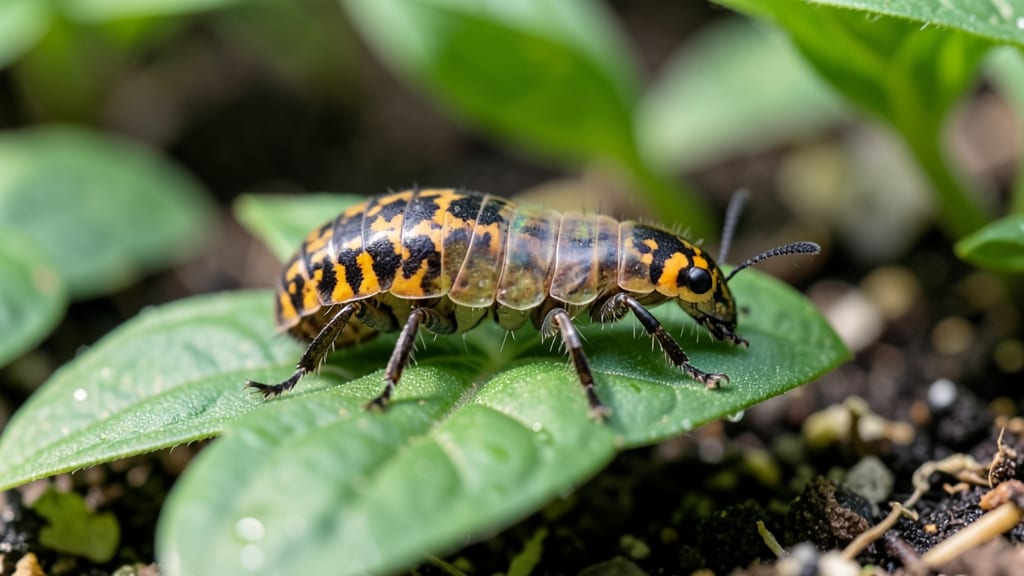
How to get rid of aphids on basil—boiling water can wipe them out in minutes. 🌿 I’ve used this trick after finding my prized Genovese plants covered in sticky clusters—it works faster than spraying, and the basil recovers within days. The key is precision: a targeted pour at the base of the plant smothers the pests without scorching the leaves.
Most organic methods fail because they’re too gentle for aphids’ rapid reproduction. This barrier technique disrupts their life cycle instantly, while companion plants like marigolds or garlic chives planted nearby deter future invasions.
For delicate basil, avoid harsh sprays—neem oil or insecticidal soap work well as follow-ups, but boiling water is the emergency fix.
You’ll see results within hours: aphids will drop off, and new growth will emerge cleaner than before. The trick is consistency—check plants daily during warm months, and always prune infested leaves first to reduce the population. Basil grows back fast, but aphids won’t get a second chance.
This method works for container basil too—just tilt the pot slightly to avoid water damage. Pair it with ladybugs or lacewings for long-term protection, and you’ll enjoy pest-free harvests all season. No chemicals, no guesswork, just a quick fix that saves your plants.
Root Causes of Basil Aphids
Aphids don’t just randomly appear on your basil—they’re drawn by specific conditions that make your plants a prime buffet. Understanding these triggers is the first step to stopping them before they take over. Here’s why your basil might be attracting these tiny pests:
---
Aphids love weak, stressed plants because they’re easier to feed on and reproduce in. When basil is overcrowded or struggling, its defenses weaken, making it an aphid magnet.
- Why it happens: - Poor air circulation (from dense foliage) creates a humid microclimate, which aphids adore. High humidity helps them thrive and reproduce faster. - Nutrient deficiency (especially nitrogen or potassium) weakens the plant’s ability to produce bitter compounds that repel pests.
Aphids detect these deficiencies and target vulnerable plants. - Root competition in overcrowded pots or garden beds forces plants to fight for resources, stressing them out and making them more susceptible to infestations.
- Actionable insight: Thin out your basil plants to 3–4 inches apart (for garden beds) or repot overcrowded containers to improve airflow. Use a balanced fertilizer (like 10-10-10) to boost resilience.
---
Aphids are sap-sucking insects, and they’re particularly drawn to the high-sugar content in basil’s leaves and stems. Certain conditions make that sap even sweeter—or more accessible—to them.
- Why it happens: - New growth is rich in sugars and amino acids, which aphids find irresistible. Pruning or harvesting basil stimulates fresh growth, unintentionally signaling aphids to move in. - Over-fertilization with nitrogen (especially synthetic fertilizers) leads to soft, fast-growing leaves packed with sugars.
This is like serving aphids an all-you-can-eat buffet. - Honeydew buildup (a sticky, sugary waste product from aphids) actually attracts more aphids and ants. The honeydew feeds beneficial fungi (sooty mold) and signals other pests to join the party.
- Actionable insight: Avoid heavy nitrogen fertilizers; opt for balanced or low-nitrogen options (like compost tea or fish emulsion). Prune regularly to remove new growth that aphids target, and clean up honeydew with a damp cloth to break the cycle.
---
Aphids thrive when their natural enemies are absent. Without checks and balances, their populations explode—especially in urban or greenhouse settings.
- Why it happens: - Pesticide use (even organic sprays) can kill beneficial insects like ladybugs, lacewings, and parasitic wasps, which prey on aphids.
If you’ve used broad-spectrum sprays, your basil’s pest control ecosystem may be out of whack. - Isolated plants (e.g., container basil on a patio) lack access to wild predators that might visit garden beds.
Aphids have no natural competition. - Seasonal timing matters: Aphids reproduce rapidly in warm spring and summer months, while their predators may still be dormant or scarce.
- Actionable insight: Encourage predators by planting companion flowers (like marigolds, dill, or fennel) near your basil to attract them. Avoid pesticides, and consider releasing beneficial nematodes (like Steinernema feltiae) to target aphid larvae in the soil.
--- Aphids prefer cozy, protected environments where temperatures stay mild and humidity is high—think of them as tiny, sap-sucking house guests who never leave.
- Why it happens: - Greenhouse or indoor growing creates the perfect aphid paradise: consistent warmth (60–80°F) and high humidity accelerate their reproduction. Outdoor basil in shaded or sheltered spots (like under eaves) mimics these conditions. - Plastic or glass containers trap heat and moisture, making them ideal breeding grounds.
Aphids can multiply 20-fold in a week under these conditions. - Wind protection (like fences or walls) reduces natural dispersion of pests, allowing infestations to fester unchecked.
- Actionable insight: If growing in containers, choose terracotta pots (which breathe better than plastic) and place them in sunny, well-ventilated spots. For greenhouses, increase airflow with fans and avoid overwatering to reduce humidity.
--- If you’ve been growing basil (or other aphid-loved plants like tomatoes, peppers, or roses) in the same spot year after year, the soil may be harboring aphid eggs or their favorite food sources.
- Why it happens: - Aphids lay hundreds of eggs in soil or on plant debris, which can survive winter dormancy and hatch when new basil sprouts. - Root exudates (chemicals released by basil roots) can signal aphids that “this is a good place to feed.”
Repeatedly planting basil in the same soil reinforces this signal. - Weeds and volunteer plants (like mint or oregano) may also host aphids, which then migrate to your basil.
- Actionable insight: Practice crop rotation: Avoid planting basil (or its relatives in the Lamiaceae family) in the same spot for at least 3 years.
Solarize the soil in summer (cover it with clear plastic for 4–6 weeks) to kill overwintering eggs. Pull weeds regularly to remove alternate hosts.
--- Aphids target plants that are either drought-stressed (which makes their sap sweeter) or overwatered (which creates sticky, honeydew-rich conditions).
- Why it happens: - Underwatering triggers basil to produce more sugars in its leaves to conserve moisture, making it taste like a dessert to aphids. - Overwatering leads to soft, tender leaves that aphids can pierce easily.
It also promotes soil-borne fungi that aphids tolerate, further weakening the plant. - Poor drainage in containers or garden beds creates root rot, stressing the plant and making it more vulnerable to pests.
- Actionable insight: Water basil deeply but infrequently (about 1 inch per week, adjusting for climate). Use well-draining soil (mix in perlite or sand) and pots with drainage holes. Mulch around plants to retain moisture without overwatering.
Quick Fixes for Basil Aphids
Now that you know why aphids attack your basil, let’s tackle the problem head-on with easy, effective solutions—no harsh chemicals required! The key is acting fast, using natural methods, and preventing future infestations.
Below, we’ve mapped common causes to their fixes, so you can choose what works best for your garden.
---
Cause: Dense foliage traps aphids, making it harder for beneficial insects to patrol. Fix: Give your basil room to breathe! - 🍳 Prune aggressively – Snip off crowded stems, leaving space between plants (aim for 6–8 inches apart). - 👨🍳 Harvest regularly – Picking leaves encourages bushier growth, reducing aphid hiding spots. - 🥘 Thin seedlings – If starting from seeds, keep only the strongest plants to avoid overcrowding.
💡 Pro Tip: Use the pruned leaves in cooking! Aphids don’t stand a chance on your next pesto.
---
Cause: Underwatered, nutrient-deficient, or root-bound basil is aphid magnets. Fix: Strengthen your basil’s defenses! - 🌡️ Water deeply but infrequently – Let the top inch of soil dry out between waterings to prevent root stress. - 💪 Fertilize lightly – Use a balanced, organic fertilizer (like fish emulsion) every 4–6 weeks to avoid overfeeding. - ✨ Repot if needed – If roots are circling the pot, upgrade to a slightly larger container for better growth.
🎯 Prevention: Healthy basil = fewer aphids. A quick soil check can save your harvest!
---
Cause: Aphids multiply fast, but early action can stop an outbreak. Fix: Smother them before they spread! - 🔪 Blast them off – Spray aphids directly with a strong stream of water (morning or evening works best). - 🐞 Handpick clusters – Use tweezers or fingers to pluck aphids into soapy water (they’ll drown instantly). - 🥘 Boiling water barrier – Pour boiling water around the base of the plant (from the article’s method!) to kill eggs and adults.
⚠️ Warning: Check the undersides of leaves—aphids love hiding there!
---
Cause: Without predators, aphids thrive unchecked. Fix: Turn your garden into an aphid-free zone! - 🐞 Invite ladybugs – Plant dill, fennel, or marigolds nearby to attract them (they love aphids). - 🕷️ Encourage lacewings – These delicate insects devour aphid eggs. Avoid pesticides to keep them around. - 🦋 Add a water source – A shallow dish with pebbles and water helps beneficial insects stay hydrated.
💡 Pro Tip: Release aphid-eating wasps (like Aphidius colemani) if your infestation is severe.
---
Cause: If aphids return despite other efforts, a natural spray can help. Fix: Try these DIY remedies (test on a small leaf first): - 🧴 Neem oil spray – Mix 1 tbsp neem oil + 1 tsp mild soap in 1 quart of water. Spray every 5–7 days. - 🌿 Garlic or chili spray – Blend 2 garlic cloves or 1 chili pepper with water, strain, and spray (aphids hate the smell!). - 🍋 Soap solution – 1 tbsp castile soap in 1 quart of water. Spray directly on aphids (avoid hot sun to prevent leaf burn).
⏰ Timing Matters: Apply sprays in the early morning or late evening for best results.
--- **🛡️ Long-Term Prevention
Frequently asked questions about basil aphids
How often should I check my basil plants for aphids?
Inspect your basil every 3-4 days during warm months (spring and summer) when aphids reproduce fastest. Focus on the undersides of leaves and new growth—these are their favorite hiding spots. Early detection means quicker fixes and less damage to your plants.
Can I use dish soap to kill aphids on basil?
Yes, but use it carefully! Mix 1 tablespoon mild dish soap with 1 quart of water and spray directly on aphids. Avoid hot sun after spraying to prevent leaf burn. Test on a small leaf first, as some basil varieties are more sensitive than others.
Will neem oil harm my basil plants?
Neem oil is generally safe when used correctly, but it can stress delicate basil leaves if overused. Use a 1% solution (1 tbsp neem oil + 1 tsp mild soap per quart of water) and apply in the evening. Avoid spraying when flowers are present, as it may affect pollinators.
How do I know if my basil is recovering from an aphid infestation?
Look for new green growth at the tips of stems and fewer sticky residue spots (honeydew) on leaves. Healthy basil should also smell fresh and vibrant again within 1-2 weeks of treatment. If yellowing persists, check for root issues or nutrient deficiencies.
Are there any aphid-resistant basil varieties?
While no variety is completely aphid-proof, Genovese basil and Spicy Globe basil tend to be more resilient due to their robust growth. For extra protection, grow them with marigolds or garlic chives, which naturally repel pests. Regular pruning also helps maintain strong, healthy plants.