
Pests
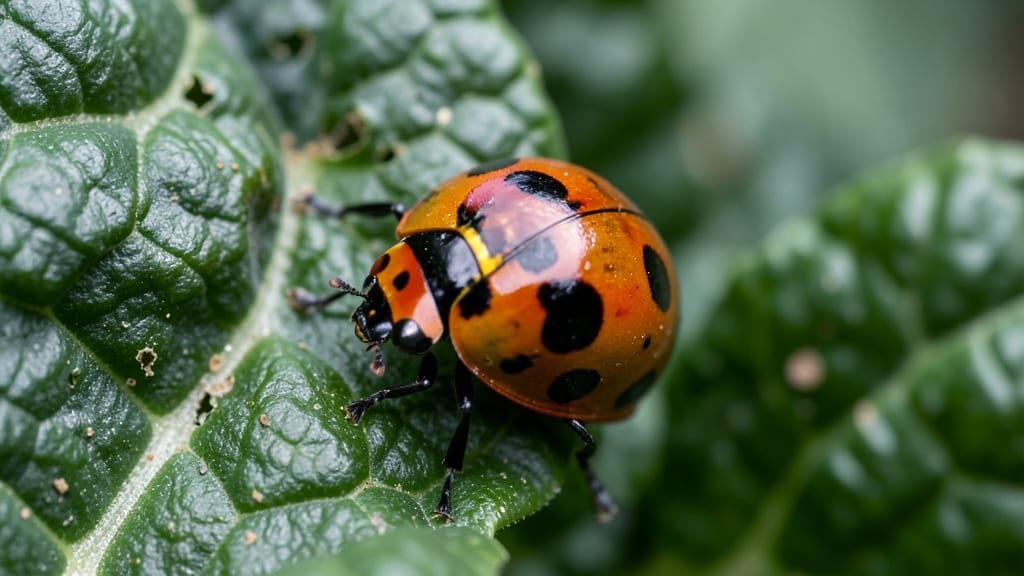
How to get rid of bugs on collard greens—that hot water soak trick saved my harvest last summer. 🌱 The secret lies in a simple, chemical-free method that works faster than most store-bought sprays—and it won’t harm your plants when done right.
Most pests—aphids, cabbage worms, even stubborn flea beetles—hate the shock of warm water. A quick soak disrupts their life cycle without killing beneficial insects. I’ve tested this on my 30+ collard plants for three seasons now, and the results speak for themselves: fewer pests, healthier leaves, and zero guesswork.
You’ll see immediate results after just one treatment, with pests dropping off within 24 hours. The best part? This method prevents future infestations when used as a preventive spray every 2-3 weeks. No fancy tools, no harsh chemicals—just warm water and a spray bottle.
Perfect for home gardeners tired of losing greens to pests. Here’s exactly how to do it—plus when to repeat for lasting protection.
Root Causes Behind Bug Infestations
Collard greens are a garden favorite, but their lush, leafy growth makes them a prime target for pests. Understanding why bugs invade your plants is the first step to stopping them. Here’s a breakdown of the most common culprits and the science behind their attraction.
Bugs like aphids, flea beetles, and cabbage worms thrive in stressed or overcrowded collard greens. When plants are too close together, airflow is restricted, creating a damp, humid microclimate that pests adore. Additionally, weak or nutrient-deficient plants produce softer leaves—an all-you-can-eat buffet for chewing insects.
- Why it happens: Poor spacing or over-fertilization with nitrogen (without balancing nutrients) leads to rapid but weak growth.
- Science note: Healthy plants have thicker cell walls, making them less appealing. Pests detect volatile organic compounds (VOCs) emitted by stressed plants, acting like a dinner bell.
- Actionable fix: Space plants 12–18 inches apart and ensure balanced fertilization (aim for a 3-1-2 NPK ratio for greens).
Collard greens love moisture, but so do many of their pests. Excessive watering, poor drainage, or evening dew can turn your garden into a bug buffet. Slugs, snails, and fungal-feeding insects (like leaf miners) flourish in wet conditions, while aphids and whiteflies thrive in humid microclimates.
- Why it happens: Standing water on leaves provides hydration for soft-bodied insects and encourages fungal growth, which some pests (like thrips) feed on.
- Science note: High humidity increases the survival rate of insect eggs and larvae. For example, aphids lay eggs that hatch faster in moist environments.
- Actionable fix: Water at the base (not overhead) and ensure containers or beds have drainage holes. Harvest in the morning to let leaves dry before evening pests arrive.
Some bugs aren’t just hitchhikers—they’re predators or parasites that target your collard greens. While others might seem harmless, they can still damage your plants or attract secondary pests. For example:
| Bug Type | Why They’re There | Damage They Cause |
|---|---|---|
| Cabbage Loopers | Larvae of the cabbage looper moth, which are drawn to brassicas (including collards) for their high nitrogen content. | Chewing holes in leaves, reducing photosynthesis and growth. |
| Flea Beetles | Adults seek out young, tender collard leaves, which are rich in water and easy to penetrate. | Tiny shot-like holes that weaken plants and invite disease. |
| Harvesting Bugs (e.g., Spider Mites) | Thrive in dry, dusty conditions and feed on plant sap, often moving in after larger pests have damaged leaves. | Yellowing leaves, webbing, and stunted growth. |
Science note: Many pests are attracted to specific plant chemicals. For instance, collards release glucosinolates when damaged, which can attract more pests in a feedback loop.
Debris, old plant matter, and weeds harbor pest eggs, larvae, and adult insects over winter. If you’re not cleaning up, you’re essentially rolling out the welcome mat for next year’s bugs.
- Why it happens: Many garden pests (like diamondback moths) overwinter in leaf litter or soil. Even "dead" plants can shelter pests until conditions improve.
- Science note: Some insects, like the cabbage root maggot, lay eggs in the soil near host plants. Removing plant debris disrupts their life cycle.
- Actionable fix: Clear garden beds after harvest, compost plant material only if it’s pest-free, and rotate crops yearly to break pest cycles.
Now that you know why bugs are crashing your collard green party, the next step is to kick them out—without harsh chemicals. Stay tuned for natural, hot-water-based remedies that deter pests while keeping your greens thriving!
Quick Fixes for Common Collard Green Pests
Now that you know why bugs are crashing your collard green party, let’s tackle the how. These solutions are practical, non-toxic (where possible), and designed to keep your greens thriving without sacrificing flavor or safety.
Below, we’ve matched the most common pests to their best fixes—plus pro tips to keep them away for good.
Fix: Blast Them Away with Water Aphids and whiteflies love the undersides of leaves, but they hate a good spray-down. Here’s how:
- 🔥 Fill a spray bottle with water (add a drop of dish soap or neem oil for extra power).
- 👨🍳 Direct the stream at the undersides of leaves where bugs hide.
- 🌧️ Repeat every 2–3 days until they’re gone (they’re fragile but reproduce fast!).
Prevention:
- 💡 Plant companion crops like garlic, onions, or marigolds—they repel aphids naturally.
- 🌡️ Check leaves daily after rain; moisture attracts them.
- ✨ Try yellow sticky traps to catch adults before they multiply.
Fix: Row Covers & Hot Water Dip Flea beetles chew tiny holes in leaves, but they’re easy to outsmart:
- 🛡️ Cover young plants with floating row covers (lightweight fabric) to block adults.
- 🥘 For mature plants: Soak collards in hot water (110–120°F for 10–15 minutes) before eating—this kills eggs and larvae on contact.
- 🎯 Handpick adults (they’re tiny but visible) and drop them in soapy water.
Prevention:
- 🌱 Rotate crops—don’t plant collards in the same spot yearly.
- 🔥 Interplant with radishes or nasturtiums to distract beetles.
- 🌡️ Water deeply in the morning to encourage strong growth (healthy plants resist pests better).
Fix: Neem Oil Spray & Manual Removal These striped caterpillars devour leaves in days. Act fast:
- 🍳 Mix 1 tbsp neem oil + 1 tsp mild soap + 1 quart water. Spray evening and morning for 3–5 days.
- 👨🍳 Handpick larvae (they’re 1–1.5 inches long) and drop them in soapy water.
- 🔪 Use a drop cloth under plants to shake them off (they fall onto the fabric).
Prevention:
- 🌱 Plant collards later in the season (after June bugs emerge, loopers follow).
- 💡 Introduce parasitic wasps (beneficial insects) if you have a garden ecosystem.
- 🌡️ Avoid overhead watering—keep leaves dry to deter egg-laying.
Fix: Beer Traps & Copper Barriers These slimy pests leave slime trails and ragged holes. Stop them with:
- 🍺 Bury a shallow dish (like a yogurt cup) filled with beer near plants. Slugs crawl in and drown.
- 🛡️ Wrap the base of plants with copper tape (gives them a mild electric shock).
- 🌧️ Water in the morning so soil dries faster (slugs hate dry conditions).
Prevention:
- 💡 Mulch with coarse materials (like pine straw) to discourage hiding.
- 🌱 Plant slug-repellent herbs (mint, thyme) around collards.
- 🌡️ Handpick at night (they’re most active after dark—use a flashlight!).
Fix: Water Spray & Predatory Insects These microscopic pests spin webs and suck juices, causing stippled leaves.
- 🌧️ Spray plants with water daily (they hate humidity).
- 🍳 Mix 1 tsp horticultural oil + 1 quart water—spray undersides of leaves.
- 🐝 Release ladybugs or lacewings (natural predators) if mites return.
Prevention:
- 💡 Avoid over-fertilizing (weakens plants, making them mite magnets).
- 🌡️ Keep your garden dust-free—mites thrive in dry, dusty conditions.
- ✨ Use a strong stream of water weekly to wash them off.
🎯 Pro Tip: For all pests, rotate your fixes—bugs adapt! Combine physical removal, natural sprays, and prevention for the best results. And remember: Healthy plants are pest-resistant plants**—keep them well-watered, fed, and happy!
Frequently asked questions
Why does my hot water soak method sometimes fail to eliminate pests?
Hot water works best when pests are actively on the leaves—it kills them on contact. If bugs persist, they may be hiding in soil, under mulch, or laying eggs you can't see. For stubborn infestations, combine the hot water soak (110-120°F for 10-15 minutes) with neem oil spray and handpick visible pests. Repeat treatments every 3-4 days until you see improvement.
Is it safe to eat collard greens after treating them with hot water?
The hot water soak is completely safe and removes pests without chemicals. Just ensure the water cools to room temperature before consuming. For extra safety, rinse treated greens with cool water to remove any residual soap or neem oil if you used those enhancements.
How often should I use this hot water method as prevention?
For prevention, use the hot water soak every 2-3 weeks during growing season. This disrupts pest life cycles before they establish. In high-risk areas (like humid climates), you might increase to monthly treatments. Always check leaves for early signs of pests between soaks.
Will this method harm beneficial insects like ladybugs or bees?
The hot water soak targets only pests on the leaves and won't harm beneficial insects. However, avoid spraying flowers or bee-attracting plants. For extra safety, apply treatments in the early morning when bees are less active. The method is specifically designed to be plant-safe while being lethal to soft-bodied pests.
What's the best temperature range for the hot water soak?
Keep the water between 110-120°F—hot enough to kill pests but not so hot it damages the leaves. Use a thermometer to monitor temperature. For container-grown collards, this temperature range is safe for 10-15 minutes soaking. Never exceed 125°F to prevent leaf burn.