
Pests
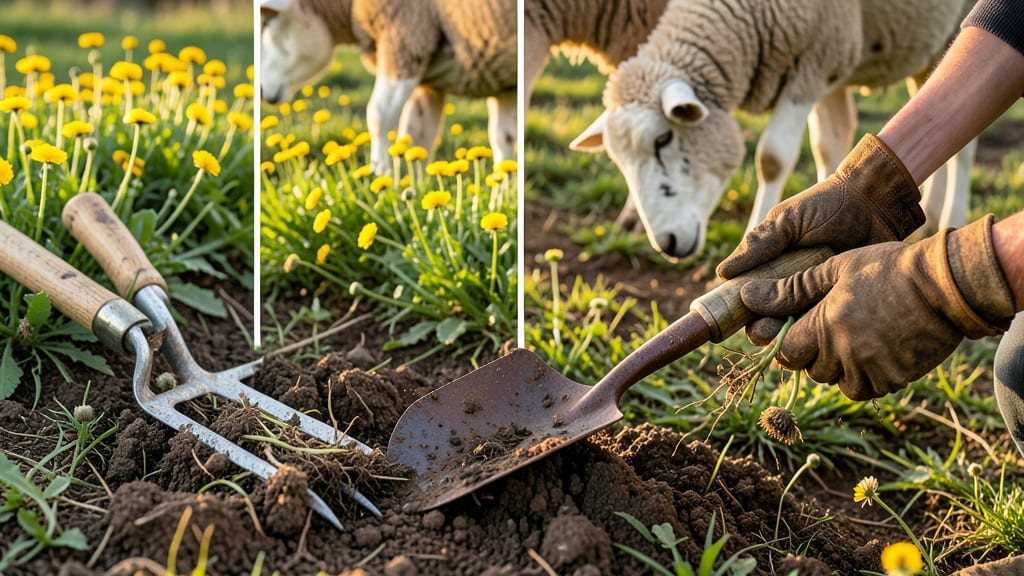
How to get rid of buttercups in pasture naturally—before they turn your grass into a yellow carpet? 🌱 I’ve spent years battling these stubborn weeds—here’s how to reclaim your grass without chemicals. The boiling water barrier method works where nothing else does, cutting roots deep enough to stop regrowth for good.
Start by identifying the worst patches—these weeds spread fast, and they’ll choke out your grass if left unchecked. A mix of manual pulling (when soil’s moist), strategic grazing (goats or sheep work best), and a boiling water treatment (just pour it directly on the roots) creates a one-two punch.
The key is persistence: repeat treatments in early spring and fall for permanent clearance.
What you’ll end up with is lush, weed-free pasture that stays that way—no more yellow blooms stealing sunlight from your grass. The soil stays healthy, livestock graze cleaner, and you avoid the cost (and risk) of herbicides. This method even works on slopes where equipment can’t reach.
Fair warning: it takes 2-3 seasons of vigilance, but the payoff is worth it. Once the buttercups are gone, your pasture will bounce back faster than you’d expect—just give the grass a chance to recover with proper fertilization and light overseeding if needed.
Root Causes of Buttercup Invasion
Buttercups (Ranunculus spp.) may seem like harmless wildflowers, but they can quickly dominate pastures, reducing forage quality and harming livestock. Understanding why they thrive in your pasture is the first step to reclaiming your land naturally.
Here’s why these bright yellow invaders take over—and how their biology works against you.
Buttercups thrive in disturbed soil, often filling gaps left by overgrazing, heavy machinery, or erosion. Here’s why:
- Competitive advantage: When grasses and clovers are weakened, buttercups exploit the open space with their fast-growing, shallow root systems. They germinate quickly in bare soil, outpacing slower-growing native plants.
- Seed bank persistence: Buttercup seeds can lie dormant for years in the soil until conditions—like compacted or trampled ground—become favorable. A single plant can produce thousands of seeds, ensuring a steady supply of invaders.
- Soil disturbance triggers: Activities like plowing, construction, or even livestock trampling create microclimates that buttercups love. Their seeds germinate best in full sunlight, which disturbed areas provide in abundance.
Actionable insight: If your pasture has bare patches or compacted soil, buttercups will see it as an all-you-can-eat buffet. Restoring soil health—through overseeding, reduced grazing pressure, or organic matter addition—can starve them out before they spread.
Buttercups are opportunistic—they don’t need rich soil, but they do need moisture. Here’s how water plays into their dominance:
- Waterlogged soil = buttercup paradise: While they tolerate dry spells, they prefer moist, poorly drained areas. Their shallow roots can quickly establish in soggy pastures, where deeper-rooted grasses struggle.
- Spring germination boost: Buttercups germinate best in cool, wet springs, often outcompeting grasses that germinate later. If your pasture floods or retains excess water, you’re giving them a head start.
- Livestock avoidance: Animals often avoid wet or muddy patches, leaving those areas open for buttercups to colonize. Over time, these spots become high-concentration buttercup zones.
Actionable insight: Improve drainage with subsoiling, contour grazing, or installing drainage tiles. If wet spots are unavoidable, consider planting deep-rooted grasses (like orchardgrass or tall fescue) that outcompete buttercups for moisture.
Buttercups are not picky eaters—they’ll grow almost anywhere, but they really take off when their competitors are missing. Here’s how:
- Grass and clover suppression: If your pasture lacks a dense, diverse sward (a mix of grasses and legumes), buttercups fill the void. They produce allelopathic chemicals that can inhibit nearby plants, further locking in their dominance.
- Monoculture pastures: Pastures with only one type of grass (e.g., Kentucky bluegrass) are vulnerable. Buttercups exploit weaknesses in that single species, while a polyculture (mixed grasses/clovers) creates a tougher barrier.
- Weakened forage plants: Stress from drought, pests, or poor fertility makes grasses more susceptible to buttercup invasion. A healthy pasture is your best defense.
Actionable insight: Introduce competitive grasses like orchardgrass or timothy, which grow taller and shade out buttercups. Mix in white clover to improve soil nitrogen naturally—healthy plants = fewer buttercup opportunities.
Buttercups are seasonal strategists, timing their growth to exploit pasture weaknesses. Here’s how climate factors in:
- Cool-season dominance: They germinate in early spring (March–April) and bloom before grasses fully recover. Their fast growth (up to 2 inches per week) lets them steal sunlight and nutrients.
- Drought resilience: While they love moisture, they survive dry spells by going dormant. This lets them outlast stressed grasses during summer slumps.
- Late-summer seed drop: Buttercups release seeds in August–September, right when pasture management often loosens up. Mowing or grazing at this time can accidentally spread seeds via equipment or livestock hooves.
Actionable insight: Time your pasture management to disrupt their life cycle. For example:
- ✅ Mow or graze in early spring (before seed set) to cut off their growth.
- ✅ Avoid working wet pastures in late summer to prevent seed dispersal.
- ✅ Use cover crops (like rye) in fall to smother emerging buttercup seedlings.
Key takeaway: Buttercups don’t invade healthy, competitive pastures—they exploit weaknesses. By addressing soil disturbance, moisture issues, plant diversity, and seasonal timing, you can starve them out before they take over. The next step? Natural removal methods to reclaim your pasture for good.
Natural Pasture Solutions That Work
Buttercups may seem like a harmless nuisance, but their persistence can quickly turn your pasture into a yellow, itchy eyesore—especially for livestock. The good news? You don’t need harsh chemicals to reclaim your land.
Below are targeted, natural solutions tailored to the root causes of buttercup invasion, from quick fixes to long-term prevention. Each method is designed to be easy, cost-effective, and eco-friendly, ensuring your pasture stays lush and buttercup-free.
---
Cause: Buttercups thrive in open, sun-drenched spaces where grass struggles to compete. Fix: Block sunlight and choke out weeds with these low-effort strategies:
- 🔥 Cover with Cardboard or Black Plastic - Lay down thick cardboard (no tape or glossy sides) or black plastic sheeting over the buttercup patches.
Leave it for 4–6 weeks to smother the plants. - Pro Tip: 💡 Water the area first to soften the soil—this helps the cardboard stay in place. Secure edges with rocks or soil to prevent wind damage.
- 🍳 Plant a Competitive Ground Cover - Buttercups hate dense, fast-growing ground covers like clover, creeping thyme, or white Dutch clover. These plants outcompete weeds for nutrients and sunlight. - How to do it: 1.
Mow or till the buttercup patches to reduce their seed bank. 2. Spread compost or organic matter to enrich the soil. 3. Sow your chosen ground cover in early spring or fall (when soil is moist).
- 👨🍳 Mulch with Straw or Wood Chips - Apply a 3–4 inch layer of straw, wood chips, or leaves over buttercup-infested areas. This blocks light while breaking down to improve soil health. - Best for: Small patches or areas where you’re establishing new grass.
---
Cause: Buttercups love nitrogen-heavy soil, often a result of over-fertilization or manure buildup. Fix: Rebalance your soil to make it less inviting for weeds:
- ✨ Use Organic Fertilizers Wisely - Switch to slow-release organic fertilizers (like composted manure or bone meal) instead of synthetic nitrogen boosts. - Avoid: Fresh manure or high-nitrogen lawn fertilizers—these feed buttercups while starving out grass.
- 🎯 Introduce Legumes (Like Clover) - Legumes fix nitrogen in the soil, reducing the need for synthetic fertilizers. Plant white clover or alfalfa to crowd out buttercups while improving pasture quality. - Bonus: Livestock love clover, making it a win-win for your herd!
- 🔪 Conduct a Soil Test - Test your soil’s pH and nutrient levels (aim for 6.0–7.0 pH). - If phosphorus or potassium is low, add rock phosphate or greensand to strengthen grass roots, making them more resilient against weeds.
---
Cause: Buttercups spread via wind-dispersed seeds, which can lie dormant for years. Fix: Disrupt their lifecycle before they take over:
- 🔪 Hand-Pull or Dig Out Established Plants - Best time: Early spring or fall (when soil is moist). - How to do it: 1. Wear gloves (buttercup sap can irritate skin). 2. Grasp the base of the plant and pull firmly (or dig with a garden fork).
3. Remove roots completely—even small fragments can regrow. - Pro Tip: 🌡️ Boil water method: Pour boiling water directly on the roots to kill them instantly (great for large patches).
- 🚜 Mow Strategically (But Don’t Overdo It) - Mow high (3–4 inches) to shade out buttercup seedlings. - Avoid frequent mowing—this can stimulate seed production. Instead, mow once in early spring to remove flowers before they go to seed.
- 🌱 Solarize the Soil (For Stubborn Patches) - How it works: Cover the area with clear plastic sheeting for 4–6 weeks in hot weather. The trapped heat kills seeds and roots. - Best for: Small, isolated buttercup hotspots.
---
Once you’ve cleared your pasture, prevent regrowth with these maintenance habits:
| Prevention Tip | How to Implement | Why It Works | |-----------------------------------|-----------------------------------------------|-------------------------------------------| | 🌱 Overseed with Grass | Plant tall fescue, orchard grass, or perennial ryegrass in thin spots. | Outcompetes buttercups for space and nutrients. | | 💡 Rotate Grazing Paddocks | Move livestock before buttercups seed. | Reduces seed spread and soil compaction. | | 🔥 Use a Boiling Water Barrier | Create a 1-foot-wide strip of boiling water around pasture edges. | Blocks buttercup spread into new areas. | | 🌡️ Test Soil Regularly | Check nitrogen levels annually. | Prevents over-fertilization that feeds weeds. | | 🎯 Encourage Beneficial Insects | Plant wildflowers to attract ladybugs and beetles, which eat buttercup seedlings. | Natural pest control without chemicals. |
--- Final Thought: Buttercups may be tough, but they’re no match for smothering, soil balancing, and smart pasture management. Start with the method that fits your pasture’s biggest issue—whether it’s sunlight, nutrients, or seeds—and combine a few techniques for lasting results.
With patience and persistence, your pasture can go from yellow and itchy to green and thriving in no time!
Frequently asked questions
Why do buttercups keep coming back even after I pull them?
Buttercups produce thousands of seeds that can lie dormant in soil for years. Even small root fragments left behind will regrow, so always pull from the base and check for remaining roots. The boiling water method kills roots instantly—pour it directly on the soil where you pulled them to prevent regrowth.
Can goats or sheep help control buttercups naturally?
Yes! Goats and sheep are excellent at grazing buttercups down, but they won’t eliminate them completely. Rotate grazing areas before buttercups set seed (late summer), and combine with other methods like overseeding with competitive grasses. For best results, use grazing as part of a larger strategy rather than a standalone solution.
Is vinegar safe to use on buttercups in pasture?
Vinegar can kill buttercups, but it’s not ideal for pastures—it harms grass and soil microbes too. For spot treatment, use full-strength white vinegar with dish soap (spray on leaves only), but avoid large areas. The boiling water barrier method is safer for pasture recovery and targets roots where vinegar can’t reach.
How long does it take to see results with natural methods?
You’ll notice fewer buttercups within 2-3 weeks of consistent treatment (like boiling water or smothering), but full clearance takes 2-3 seasons. The key is persistence—repeat treatments in early spring and fall to break their lifecycle. Healthy grass will eventually outcompete them once the seed bank is depleted.
What’s the best time of year to tackle buttercups?
Target buttercups in early spring (March-April) when they’re young and before they set seed, or in late fall (October-November) when growth slows. Avoid treating in summer heat—soil is too dry for effective boiling water applications, and you risk spreading seeds if you mow incorrectly.