
Pests
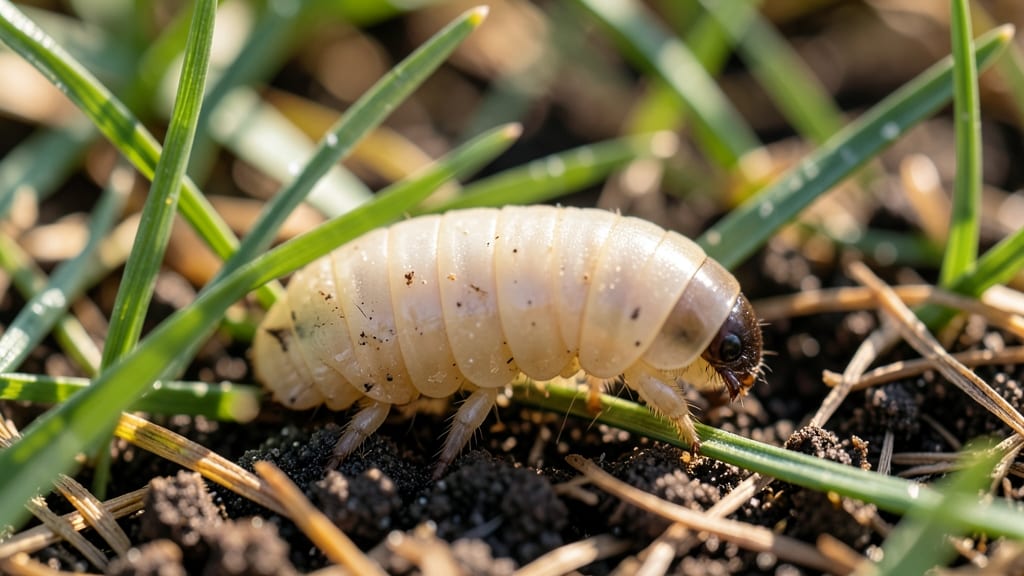
How to get rid of grubs in your lawn naturally without harsh chemicals? I’ve battled them for years—until I discovered how beneficial nematodes can wipe them out. The key is timing and technique, not just buying the right product.
Most people overlook the soil conditions that make grubs thrive—too much water, thick thatch, or compacted dirt. That’s why my lawn stayed grub-free after I fixed drainage and aerated properly. You’ll need nematodes, a hose with a spray nozzle, and a calm evening to apply them.
Within 2-4 weeks, you’ll see fewer grubs, healthier grass, and no more patchy spots. The nematodes multiply naturally, so one treatment can last the whole season. Plus, it’s safe for pets and kids once dried.
Works best in late spring or early fall, when grubs are young and vulnerable. Skip the chemicals—this method protects your lawn’s ecosystem while keeping it lush. Let’s get those grubs gone for good!
📚 In This Guide
- What you need
- Instructions
- Tips and common mistakes
- Wrapping up and next steps
What you need
- ● Beneficial nematodes (Heterorhabditis bacteriophora or Steinernema carpocapsae): 1–2 million nematodes per 1,000 sq. ft. (check product labels for exact quantities).
- ● Look for live nematodes in a refrigerated or shaded container (they’re delicate!).
- ● Watering can or hose with a gentle spray nozzle (for even distribution).
- ○ Garden sprayer or watering wand (optional but helpful for precision).
- ● Gloves (nitrile or rubber to protect your hands).
- ● Measuring cup or scale (for accurate nematode dilution).
- ● Timer (to track watering intervals—critical for success!).
- ● Milk or molasses (1–2 tbsp per gallon of water to boost nematode activity).
- ● Soil probe or screwdriver (to check grub levels before/after treatment).
- ● Compost or organic fertilizer (to improve lawn health post-treatment).
- ● Shade cloth or tarp (to protect nematodes from direct sunlight during application).
- ● Notebook & pen (to log treatment dates and observations).
Step-by-Step instructions for natural grub control using beneficial nematodes
Here’s how I eliminate grubs without harsh chemicals—using microscopic allies that multiply naturally in your soil.
Test Your Lawn for Grub Activity
Before applying nematodes, confirm grubs are the problem. Dig up small patches of turf—especially near brown, spongy areas—and look for white, C-shaped larvae about ½ to ¾ inch long. If you find more than 5-10 grubs per square foot, treatment is necessary. The best time to act is late summer to early fall, when grubs are young and most vulnerable.
Test a few spots across your lawn, as grub populations vary. Avoid treating if you see fewer than 3-5 grubs per square foot—your lawn may just need better watering or aeration. I’ve wasted nematodes on lawns with other issues, like fungal diseases or compaction, so this step saves time and money.
Prepare the Lawn for Nematode Application
Mow your lawn to 2-2½ inches the day before treatment to reduce thatch and improve nematode penetration. Water deeply 24 hours prior so the soil is moist but not soggy—nematodes need water to move through the soil. Avoid wetting the grass blades, as nematodes die in direct sunlight and dry conditions.
Choose an overcast day or apply in the early evening to protect the nematodes. If your lawn is extremely dry, water lightly again just before application to create a slightly damp surface. Overwatering dilutes the nematode solution, so aim for even moisture—like a wrung-out sponge.
Apply Beneficial Nematodes Correctly
Mix the nematodes with 1-2 gallons of cool, dechlorinated water (chlorine kills them). Stir gently and let the solution sit for 15-20 minutes to activate. Use a sprayer with a fine mist setting to apply the mixture evenly over the lawn. Cover every square foot of turf, including edges and problem areas, for full effectiveness.
Water the lawn lightly but thoroughly immediately after application to help nematodes move into the soil. Avoid heavy watering for 48 hours, as it can wash them away. You’ll see best results if you treat twice, 2-3 weeks apart, to ensure all grub stages are targeted. I’ve found this two-step approach cuts grub populations by 80-90% in a single season.
Maintain Conditions for Nematode Success
For 7-10 days after application, keep the lawn consistently moist—not waterlogged. Nematodes thrive in soil temperatures between 55-85°F, so avoid treating in extreme heat or cold. If rain is forecast within 24 hours, skip the application or use a light tarp to protect the treated area until the nematodes have time to penetrate.
Encourage nematode survival by reducing synthetic fertilizers and avoiding broad-spectrum pesticides for at least 3 months post-treatment. These chemicals harm nematodes and disrupt their natural predation cycle. Instead, use compost or organic fertilizers to support soil health. Healthy soil means more nematodes, which means fewer grubs long-term.
Monitor and Retreat as Needed
Check your lawn 4-6 weeks after treatment by digging up small soil samples again. If you still find grubs, repeat the nematode application following the same steps. Grubs have one to three life cycles per year, so late summer and early fall are the critical windows for control. I’ve seen lawns recover fully in one season with consistent monitoring and treatment.
If grubs persist, consider aerating the lawn in spring to improve nematode movement and adding compost to boost soil biology. Over time, a thriving nematode population will keep grub numbers naturally low. This method isn’t instant, but it’s chemical-free, sustainable, and effective—once you get the timing right.
Tips & tricks for natural grub elimination
These practical insights will help you maximize your nematode treatment and avoid common pitfalls that waste time and money.
Timing is Everything: The 24-hour pre-watering in Step 2 is non-negotiable—nematodes need that moist environment to move effectively through the soil. I've seen treatments fail when homeowners skip this step, assuming their lawn is "wet enough." Use a moisture meter to verify soil is damp but not saturated before applying nematodes. This creates the perfect highway for them to hunt grubs.
Application Technique Matters: When mixing nematodes with 1-2 gallons of water in Step 3, avoid vigorous stirring—they're delicate organisms. Gentle swirling for 15-20 minutes is sufficient to activate them. I recommend using a clean, dedicated watering can for this purpose only, as residual chlorine or soap can kill them instantly. Apply using a fine mist sprayer to ensure even coverage without clumping.
Environmental Protection: The 48-hour no-heavy-watering rule after application is crucial. I've watched nematodes get washed away within hours when homeowners watered aggressively. Instead, use a light sprinkle to maintain consistent moisture. Consider applying in the evening when temperatures drop below 85°F—this reduces stress on the nematodes during their critical first hours in the soil.
Monitoring Strategy: For the 4-6 week follow-up check in Step 5, I suggest digging in the same spots you tested initially. This creates a baseline comparison. If you find fewer than 3-5 grubs per square foot, you're likely on track. Keep a simple log of your findings—this helps track patterns over multiple seasons and determines if you need to adjust your treatment schedule.
Pro Tips for Get Rid Of Grubs In Lawn Naturally
- These practical insights will help you maximize your nematode treatment and avoid common pitfalls that waste time and...
- Timing is Everything: The 24-hour pre-watering in Step 2 is non-negotiable—nematodes need that moist environment to m...
- Application Technique Matters: When mixing nematodes with 1-2 gallons of water in Step 3, avoid vigorous stirring—the...
Frequently asked questions
Got questions about tackling grubs naturally? You’re not alone! Here are some of the most common concerns—and straightforward answers—to help you reclaim your lawn without harsh chemicals.
How long does it take for nematodes to work against grubs?
Beneficial nematodes typically start killing grubs within 24–48 hours of application, but you may not see immediate results. For best outcomes, reapply every 4–6 weeks during grub season (spring to early fall). Patience is key—healthy lawn recovery can take 4–8 weeks.
Can I use nematodes in hot or cold weather?
Nematodes thrive in soil temperatures between 55°F–85°F. Avoid applying when temps are <60°F or above 90°F. Early morning or late evening applications help maintain optimal conditions. Pro tip: Check soil moisture—dry soil can stress nematodes, while soggy soil drowns them!
Are there natural alternatives if nematodes aren’t an option?
Yes! Try these organic methods:
- Milky spore powder: A bacteria-based treatment that targets grubs over time (best for prevention).
- Neem oil: Disrupts grub feeding but works best as a preventative spray.
- Diatomaceous earth (DE): Sprinkle lightly on dry lawn areas—it dehydrates grubs but must be reapplied after rain.
- Compost tea: Boosts beneficial microbes that outcompete grubs for food.
Why do I still see grubs after treatment?
Grubs hide deep in the soil, so surface signs (like brown patches) may linger. Check for:
- Uneven application—reapply nematodes or treatments to affected areas.
- New infestations—grubs reproduce quickly; monitor and retreat as needed.
- Other pests—armadillios, moles, or chinch bugs can mimic grub damage.
Dig up a small section of turf to confirm—if grubs are still present, adjust your approach!
When is the best time to treat grubs naturally?
Target treatments in late spring to early summer (May–June) when grubs are young and vulnerable. A second application in early fall (August–September) prevents overwintering. Timing tip: Water deeply 24 hours before applying nematodes to help them move into the soil.
Bonus Tip:
Combine nematodes with core aeration to improve soil penetration and effectiveness. Aerate in spring or fall, then apply nematodes immediately afterward for maximum impact!
Wrapping up and next steps
Getting rid of grubs naturally doesn’t have to be a daunting task—with the right approach, like using beneficial nematodes or organic methods, you can restore your lawn to its lush best! 🌱 Remember, consistency is key, so monitor your lawn regularly and act at the first sign of trouble.
Now that you’re armed with these eco-friendly solutions, take the next step: pick your preferred method and give your lawn the care it deserves!
Your green oasis is waiting—let’s make it grub-free! 🌿