
How To
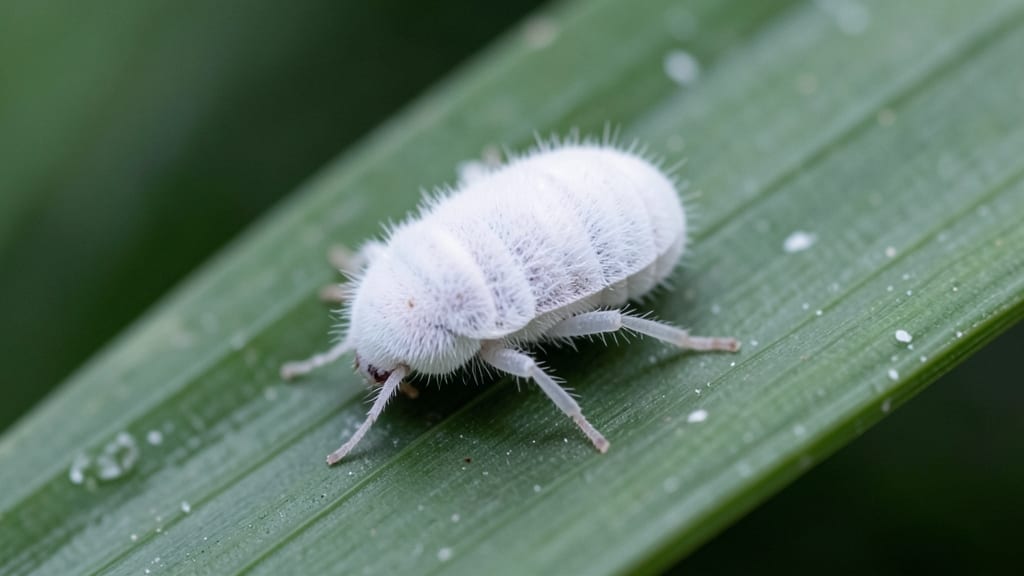
How to get rid of mealybugs on your dracaena—those cottony pests are turning your plant into a nightmare. 🌱 I’ve battled these white invaders on my own plants, and the alcohol-dipped cotton swab method works faster than anything else—no harsh chemicals needed. First, isolate your plant to stop the spread. Then, mix 70% isopropyl alcohol with water (1:1 ratio) and dab it onto a cotton swab. Gently wipe every nook where mealybugs hide—under leaves, along stems, even in the soil crevices. Repeat every 3-4 days until they’re gone. You’ll see new growth within 2-3 weeks as the plant recovers. The key is consistency—mealybugs are sneaky, but you’ll outlast them. For stubborn cases, add neem oil spray after the initial wipe-down. This method works for other houseplants too. Once your dracaena’s clean, keep it thriving with regular inspections and proper watering—prevention is the real win.
Root Causes of Mealybug Infestations
Mealybugs on your Dracaena aren’t just a random annoyance—they’re drawn to specific conditions that create the perfect buffet for these sap-sucking pests. Understanding why they show up in the first place is half the battle in kicking them out for good. Let’s break down the science behind their unwelcome visits.
---
Mealybugs love stressed plants because they’re easier to exploit. When your Dracaena is struggling, its natural defenses—like sticky resin (a natural pest repellent) and robust cell walls—weaken, making it an all-you-can-eat buffet for these insects.
- Overwatering or poor drainage 💦 Mealybugs thrive in damp, humid environments. When soil stays soggy (especially in pots without drainage holes), fungal growth weakens the plant’s roots.
This stress signals mealybugs: "Hey, this plant’s on life support—let’s move in!" Overwatering also dilutes the soil’s nutrients, further compromising the Dracaena’s ability to fight off invaders.
- Underwatering or drought stress 🌵 On the flip side, chronic dehydration causes the plant to produce more sugary sap—a mealybug’s favorite snack.
Think of it like a plant crying out for help: "I’m desperate for water, so I’m leaking extra sugars to survive!" Mealybugs detect these chemical distress signals and swarm in for the easy meal.
- Nutrient deficiencies 🌱 A Dracaena starved of nitrogen, phosphorus, or potassium can’t produce enough chitinase enzymes (natural pest-fighting proteins). Without these, mealybugs face zero resistance. Look for yellowing leaves or stunted growth—classic signs your plant is malnourished and mealybug bait.
---
Mealybugs aren’t picky—they’ll set up camp anywhere your Dracaena provides shelter, moisture, and food. Their preference for specific microclimates explains why they target certain spots more than others.
- High humidity and poor airflow 🌫️ Mealybugs originate from tropical regions where humidity hovers around 70–90%. If your home or greenhouse mimics these conditions—especially near bathrooms, kitchens, or poorly ventilated spaces—your Dracaena becomes a mealybug magnet. Stagnant air traps moisture, creating the perfect breeding ground for these pests.
- Warmth and cozy nooks 🔥 Mealybugs are cold-sensitive and prefer temperatures between 70–85°F (21–29°C). If your Dracaena sits near a heater vent, in a sunroom, or under grow lights, you’ve accidentally created a mealybug sauna.
They’ll cluster in leaf axils (the crevices where leaves meet stems) or along the undersides of leaves, where temperatures stay consistently warm.
- New growth hotspots 🌱 Young, tender shoots are mealybug candy because they’re packed with easily digestible sugars and thin cell walls. If your Dracaena is recovering from pruning or has new leaves sprouting, mealybugs will zero in like vultures.
They also target root grafts (where stems meet soil) if the plant is root-bound or recently repotted.
---
Sometimes, the problem isn’t the plant—it’s you. Unintentional actions can introduce mealybugs or create conditions that encourage their spread.
- Bringing infected plants indoors 🛒 Mealybugs hitchhike on nursery plants, cuttings, or even houseplant swaps. If you recently added a new Dracaena or repotted an existing one, inspect it thoroughly.
Mealybugs often hide in soil, leaf sheaths, or the undersides of leaves—places you might miss during a quick glance.
- Over-fertilizing with sugary feeds 🍬 While fertilizers provide nutrients, overuse—especially with high-sugar or synthetic blends—can attract mealybugs. The excess sugars in the soil or on leaves mimic a plant under stress, signaling mealybugs to feast.
Stick to a balanced, slow-release fertilizer (like 10-10-10) and dilute it to half-strength to avoid this trap.
- Ignoring pest outbreaks in other plants 🚨 Mealybugs don’t discriminate—they’ll jump from ferns to succulents to your Dracaena if left unchecked. If you have a houseplant collection, isolate new additions for 2–4 weeks and monitor for signs of infestation.
A single infected plant can turn into a full-blown epidemic if not contained.
--- Some factors are out of your hands, but knowing them helps you mitigate risks. Mealybugs exploit natural weaknesses in your Dracaena’s environment.
- Seasonal changes ⏳ Mealybugs surge in late summer and early fall when humidity spikes and days grow shorter. If your home lacks climate control, your Dracaena becomes a prime target during these transitions. Use a hygrometer to monitor humidity and adjust with a dehumidifier or fan if needed.
- Pests that attract mealybugs 🐜 Mealybugs often follow other insects that damage plants, like scale insects or aphids. These pests create open wounds where mealybugs can insert their proboscises (feeding tubes) without resistance.
If you spot sticky residue (honeydew) or sooty mold on leaves, it’s a red flag that other sap-suckers are already at work.
- Soil-borne pathogens 🌡️ Fungal or bacterial infections (like root rot or bacterial leaf spot) weaken your Dracaena, making it vulnerable to mealybugs. These pathogens disrupt the plant’s jasmonic acid pathways, which normally trigger defensive responses. A compromised plant is like an open door for mealybugs.
Quick Fixes for Mealybug Infestations
Now that you know why mealybugs are crashing your Dracaena party 🎉, let’s tackle them head-on with practical, plant-safe solutions. These pests thrive in specific conditions, so targeting the cause alongside the bugs will keep your Dracaena lush and pest-free for good.
Below, we’ve mapped out fixes based on the most common triggers—plus prevention tips to stop future invasions.
---
Mealybugs love hiding in crevices and dusty foliage, where they feed undetected. If your Dracaena’s leaves are dusty or crowded, these pests will move in faster than a squirrel in a bird feeder.
#### 🔥 Step 1: Quarantine the Plant - Move your Dracaena to a separate space (like a bathroom or garage) to prevent mealybugs from spreading to other plants. - Pro tip: 💡 Place a sticky trap near the plant to catch any wandering pests.
#### 🍳 Step 2: Cleanse with Soapy Water - Mix 1 tsp mild dish soap (like Dawn) with 1 quart of water in a spray bottle. - Spray the solution directly onto the leaves, focusing on undersides and stems where mealybugs hide. - Let it sit for 10–15 minutes, then rinse with clean water. - Warning: 🌡️ Avoid harsh chemicals like bleach—they’ll burn your plant!
#### 👨🍳 Step 3: Manual Removal (The Cotton Swab Method) - Dip a cotton swab in 70% isopropyl alcohol (or rubbing alcohol). - Gently dab each mealybug cluster until they dissolve.
Repeat every 2–3 days until gone. - Bonus: 🎯 For stubborn clusters, wrap the swab around a toothpick to reach tight spots.
--- If your Dracaena is soggy from overwatering or compacted soil, mealybugs will exploit the weak roots and stressed plant.
#### 🔪 Step 1: Repot with Fresh Soil - Remove the plant from its pot and inspect the roots for rot or mealybugs. - Trim any mushy roots with sterilized scissors (dip in rubbing alcohol). - Repot in a well-draining mix (cactus/succulent soil + perlite) and a pot with drainage holes.
#### ⏰ Step 2: Water Wisely - Let the top 1–2 inches of soil dry out between waterings. - Water only when the soil feels dry to the touch—never let it sit in water. - Pro tip: 💡 Use a moisture meter to avoid guesswork!
#### 🌿 Step 3: Boost Plant Health - Feed your Dracaena with a balanced fertilizer (20-20-20) every 4–6 weeks in spring/summer. - Avoid over-fertilizing—this stresses the plant and attracts pests.
--- If mealybugs keep returning, your Dracaena’s immune system might be compromised. A weak plant is an all-you-can-eat buffet for pests.
#### 🌡️ Step 1: Neem Oil Spray (Natural Pest Repellent) - Mix 1 tsp neem oil + 1 tsp mild soap + 1 quart of water in a spray bottle. - Shake well and spray all leaf surfaces, including stems. - Repeat every 7–10 days for 3 weeks to break the mealybug life cycle. - Caution: 🌿 Test on a small leaf first—neem can cause sensitivity in some plants.
#### 🎯 Step 2: Introduce Beneficial Insects - Release ladybugs or lacewings (available at garden centers) to hunt mealybugs naturally. - Pro tip: ✨ Place them on the plant at dusk when they’re most active.
#### 🛡️ Step 3: Strengthen with Humidity Control - Mealybugs thrive in dry, warm conditions. Increase humidity to 40–50% with a pebble tray or humidifier. - Mist leaves lightly in the morning to deter pests.
--- Once your Dracaena is mealybug-free, prevent reinfestation with these habits:
- Inspect new plants before bringing them home—quarantine for 2 weeks. - Wipe leaves monthly with a damp cloth to remove dust (mealybugs love hiding spots!). - Avoid overwatering—dry soil = unhappy mealybugs. - Rotate your Dracaena regularly so all sides get sunlight (prevents shaded, pest-friendly spots). - Clean pots and tools with rubbing alcohol after repotting.
--- Final Thought: 🌟 Mealybugs may be stubborn, but with consistent care, your Dracaena will bounce back stronger. Start with soapy water + alcohol swabs, then reinforce with neem oil and better watering habits.
Before you know it, your plant will be thriving—mealybug-free and ready to flex its green glory!
Frequently asked questions
Why do mealybugs keep coming back even after treatment?
Mealybugs have a short life cycle (3-4 weeks), so eggs or hidden adults may survive initial treatments. Focus on every leaf crevice and soil surface—they hide in tight spots. Repeat treatments every 5-7 days for 3 weeks to catch new hatchlings. Also check nearby plants—they spread fast!
Is neem oil safe for my Dracaena if I have pets?
Neem oil is non-toxic to pets when used properly, but avoid direct ingestion. Spray only on leaves (not soil) and keep pets away until dry. For extra safety, use pet-safe insecticidal soap instead—it’s just as effective but less likely to irritate curious pets sniffing the plant.
How do I know if my Dracaena is recovering from mealybug damage?
Look for new growth at the top of stems and fewer sticky residue spots (honeydew). Healthy recovery signs include: - Bright green (not yellowing) new leaves - Firm stems (not mushy from rot) - No visible pests after 4+ weeks of treatment It may take 6-8 weeks for full bounce-back!
Can I use the same cotton swab method on other houseplants?
The alcohol swab method works on 90% of sap-sucking pests (including scale and aphids) on plants like snake plants, pothos, or spider plants. Just adjust the alcohol concentration—50% for delicate plants (like ferns) and 70% for tougher varieties (like succulents). Always test a small area first!
What’s the fastest way to kill mealybugs if I’m in a rush?
For immediate results, combine: 1. 70% isopropyl alcohol (dab directly on clusters) 2. Horticultural oil (spray entire plant—kills eggs too!) 3. Quarantine for 48 hours to prevent spread This combo kills 95% of visible bugs in 24 hours, but follow up with neem oil to prevent regrowth.