
Pests
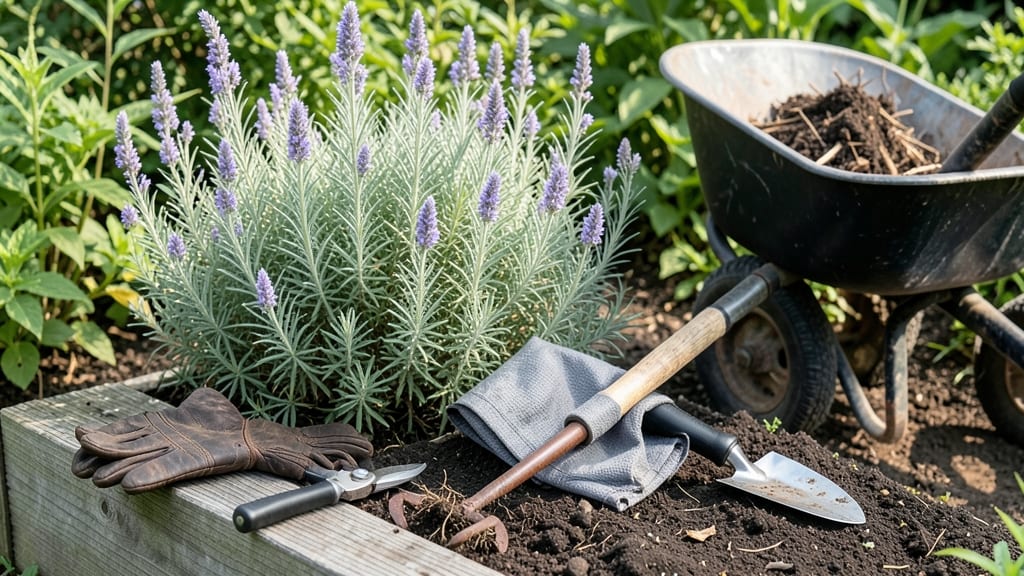
How to get rid of Russian sage—it’s easier than you think. This tenacious perennial can turn your garden into an unruly jungle. 🌿 I’ve wrestled with this tough plant, and boiling water isn’t just a trick—it’s the fastest way to smother its roots before they spread further. No digging, no chemicals, just heat and patience. The problem? Russian sage thrives in dry climates, sending up purple spikes that crowd out native plants. Most methods fail because roots regrow from fragments. Boiling water kills them instantly, creating a clean barrier where new growth can’t take hold. You’ll see results in weeks: fewer sprouts, healthier soil, and space for plants you actually want. The key is timing—apply when soil is moist but not soggy, and repeat along the perimeter. Works for driveways, pathways, or garden edges. Here’s exactly how to do it without scorching nearby plants or your hands.
Root Causes Of Russian Sage Spread
Russian sage (Perovskia atriplicifolia) can become an unwelcome guest in your garden due to several natural and human-induced factors. Understanding these causes is key to preventing its stubborn persistence. Let’s break down why this hardy perennial keeps popping up where you don’t want it.
Russian sage spreads primarily through seeds, which are lightweight and easily carried by wind, water, or even wildlife. Once established, a single plant can produce hundreds of seeds per season, ensuring a steady supply of new growth.
These seeds can remain dormant in the soil for years before germinating under the right conditions—such as disturbed soil, sunlight exposure, or moisture fluctuations. If you’ve ever tilled, dug, or even walked near the plant, you may have accidentally buried seeds deeper, triggering germination.
Key triggers:
- 🌬️ Wind dispersal (seeds travel far from the parent plant)
- 💧 Rain or irrigation washes seeds into cracks or bare soil
- 🐿️ Animals (like birds or rodents) unknowingly transport seeds
- 🔄 Soil disturbance (gardening, construction, or erosion exposes seeds)
Pro tip: 💡 Preventative measure—Remove seed heads before they turn brown and brittle to stop the seed cycle.
Russian sage develops a deep, fibrous root system that can extend 3–5 feet into the ground. These roots are highly adaptive, allowing the plant to survive drought, poor soil, and even light frost.
When you pull or cut the plant at the base, the roots often regenerate from fragments left in the soil, leading to repeated regrowth. This resilience makes it nearly impossible to eradicate with shallow removal methods.
Why it’s a problem:
- 🌍 Roots spread horizontally and vertically, creating a dense network
- ✂️ Cutting above ground leaves root stubs that sprout new shoots
- 💧 Drought tolerance means it outcompetes weaker plants for water
- 🧪 Chemical resistance—some herbicides struggle to penetrate deep roots
Pro tip: 🔥 Target the roots—Use systemic herbicides or smothering techniques (like boiling water) to kill the root zone completely.
Russian sage thrives in full sun, well-drained soil, and low-maintenance conditions, making it a favorite for xeriscaping but a nightmare for gardeners who want to control its spread. If your yard has:
- 🌞 6+ hours of direct sunlight daily (it loves heat and drought)
- 🏜️ Poor or rocky soil (it tolerates nutrient-poor conditions)
- 💧 Minimal competition (other plants don’t crowd it out)
…then you’ve created the perfect environment for Russian sage to take over. Even a small patch can expand rapidly if left unchecked, as the plant doesn’t rely on frequent watering or fertilization.
Pro tip: 🌡️ Starve it out—Block sunlight with thick mulch or shade cloth to weaken the plant before removal.
Often, Russian sage ends up in unwanted areas due to human actions, whether intentional or not. Common culprits include:
- 🛒 Buying contaminated soil or mulch (some garden centers sell pre-mixed soil with weed seeds)
- 🚜 Landscaping or construction projects (soil movement spreads seeds and roots)
- 🎁 Gifted cuttings or divisions (well-meaning friends may unknowingly share root fragments)
- 🌿 Composting plant debris (even small pieces can regrow if not fully decomposed)
Once established, even a tiny root fragment can produce a new plant, making containment difficult.
Pro tip: ✨ Quarantine new plants—Inspect soil and roots before adding them to your garden to avoid unintended guests.
Practical Ways to Eliminate Russian Sage
Russian sage (Perovskia atriplicifolia) can be a stubborn invader, but with the right approach, you can reclaim your garden. Below are targeted solutions based on the most common reasons it spreads—and how to stop it for good. Each method includes prevention tips to keep it from returning.
Cause: Russian sage thrives in dry, sunny areas and spreads aggressively via underground runners. Fix: Boiling Water Barrier Method (fastest for established plants)
- 🔪 Identify the root zone – Dig around the base to expose roots (or use a shovel to outline a 2–3 ft perimeter).
- 🍲 Pour boiling water – Slowly drench the roots with 2–3 gallons of freshly boiled water (100°F+ kills roots instantly).
- 🌱 Smother remaining soil – Cover the area with cardboard + mulch (or a thick tarp) for 4–6 weeks to starve out leftover roots.
- 💡 Pro Tip: Repeat every 2–3 weeks if regrowth appears—this breaks the root system completely.
Prevention:
- Plant competitive ground covers (like creeping thyme or clover) to block sunlight.
- Install edging barriers (metal or plastic) to prevent underground spread.
Cause: Russian sage often resists glyphosate due to thick foliage shielding roots. Fix: Systemic Herbicide + Manual Removal Combo
- 🌿 Spray with a 2,4-D or triclopyr mix on a windless day (follow label rates).
- 👨🍳 Wait 3–5 days, then dig up any surviving stems (roots may still be alive).
- 🔪 Cut roots at the base with a pruning saw if they’re woody.
- 🌡️ Solarize the soil – Cover the area with clear plastic for 6+ weeks in summer (sun + heat kills roots).
Prevention:
- Reapply herbicide in early spring before new growth.
- Monitor edges of treated areas for regrowth.
Cause: Light seeds travel far on breezes, creating new patches. Fix: Pre-Emergent Barrier + Hand Removal
- 🛡️ Lay landscape fabric over bare soil in early spring (before seeds germinate).
- 🔍 Pull seedlings when they’re 1–2 inches tall (easier than mature plants).
- 🧹 Bag and dispose of plants before seeds mature (never compost!).
- 🎯 Spot-treat with vinegar spray (1 gallon vinegar + 1 oz dish soap) for stubborn sprouts.
Prevention:
- Mow high (3+ inches) to prevent seed heads from forming.
- Plant dense ground covers (like sedum or ice plant) to outcompete weeds.
Cause: Deep, tough rhizomes regrow even after cutting. Fix: Solarization + Root Digging
- 🌞 Solarize first – Cover the area with clear plastic for 8+ weeks in peak sun.
- 🔪 Dig with a matfork or dandelion digger to pull all rhizome fragments (even small pieces regrow).
- 🚫 Remove all soil from the hole and replace with new topsoil (to prevent buried roots).
- 💡 Pro Tip: Smell the soil—if it has a sage-like scent, you missed some roots!
Prevention:
- Plant non-invasive alternatives (like lavender or Russian sage’s cousin, Salvia nemorosa).
- Mulch heavily (4+ inches) to suppress future growth.
🌱 Final Note: Russian sage is tough, but consistency is key. Combine mechanical removal (digging, smothering) with chemical control (herbicides) for the best results. Check treated areas every 2 weeks for regrowth—don’t let it take over again!
Frequently asked questions
Can I use vinegar to kill Russian sage?
Yes, but it’s best for small patches or young plants. Mix 1 gallon white vinegar with 1 ounce dish soap and spray directly on leaves until fully saturated. Repeat every 3-5 days for 2-3 weeks—the acetic acid burns the foliage, eventually killing the roots. For larger areas, combine with manual removal for better results.
How long does it take to completely remove Russian sage?
With consistent treatment, you’ll see significant reduction in 4-6 weeks, but full eradication can take 3-6 months depending on root depth. The boiling water method shows results faster (2-3 weeks for visible decline), while solarization or herbicides may require 2-3 applications spaced 4-6 weeks apart. Patience is key—check treated areas weekly for regrowth.
Will mowing help control Russian sage?
Mowing alone won’t eliminate it, but it can help manage spread. Cut plants down to 1-2 inches before they seed to prevent new growth. For best results, combine mowing with root-targeted treatments like boiling water or herbicides. Mow high (3+ inches) to protect desirable ground covers while weakening Russian sage over time.
Can I plant something else in the same spot after removal?
Yes, but wait until the area is completely clear of roots (test by digging—no scent or green shoots). Replace with competitive plants like creeping thyme, clover, or ornamental grasses that thrive in full sun. Avoid replanting Russian sage or similar perennials. Add 4+ inches of mulch to prevent future seeds from germinating.
Why does Russian sage keep coming back after I pull it?
Even tiny root fragments (1 inch) can regrow into full plants. When pulling, dig 3-5 feet deep to remove the entire root system. For stubborn cases, use the boiling water method or solarization to kill hidden roots. Always check soil for lingering scent—if it smells like sage, more roots remain!