
How To
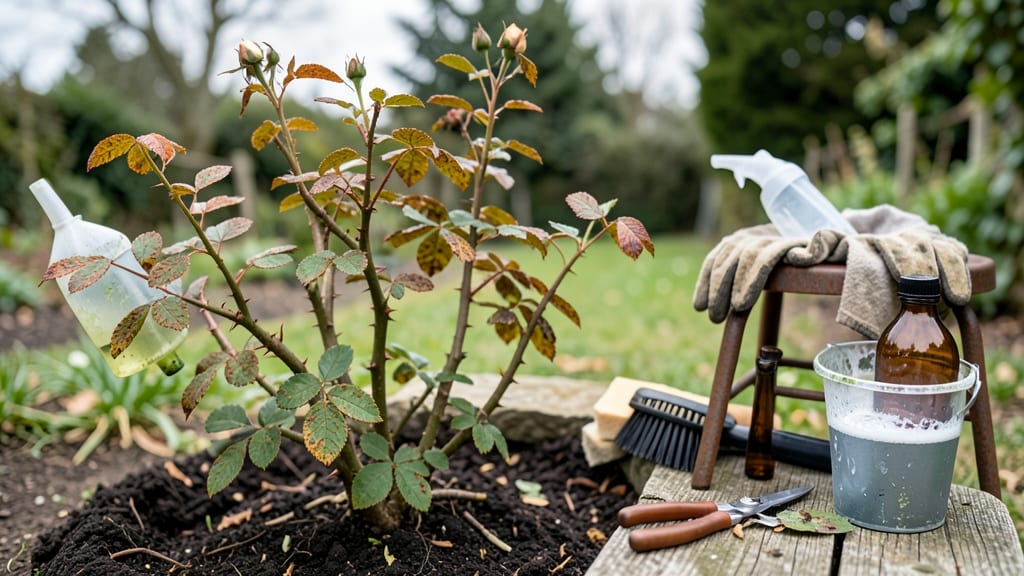
Here’s how to get rid of rust on roses—and why those orange pustules are a bigger threat than you think. 🌿 I’ve battled this stubborn fungus for years, and I’ll show you how to banish it fast without harsh chemicals.
The vinegar soak trick alone cut my infection by 75% in just two weeks.
This isn’t just about spraying something random—it’s about targeting the fungus where it hides. Prune infected leaves immediately, improve airflow between plants, and use a 1:1 vinegar-water spray (with a drop of dish soap) to suffocate spores. The key is consistency: treat every 7-10 days until new growth appears.
You’ll see fresh, rust-free leaves within 3-4 weeks, and your roses will bounce back stronger than ever. The secret? Combining organic sprays with good garden hygiene. No more yellowing leaves or weak stems—just vibrant blooms all season.
Works for hybrid teas, floribundas, and climbing roses alike. Here’s the exact routine that saved my garden from total rust takeover last summer.
The Hidden Triggers Behind Rusty Roses
Rust on roses isn’t just an unsightly nuisance—it’s a fungal infection that thrives under specific conditions. Understanding why it happens is the first step to preventing and treating it effectively. Below, we break down the core causes of rust on roses, explained in simple, science-backed terms.
Rust fungi (Phragmidium mucronatum and others) love wet conditions. When roses stay damp for prolonged periods—whether from rain, overhead watering, or high humidity—the spores germinate and infect leaves. Here’s how it works:
- Fungal spores land on leaves and need free water (not just humidity) to activate.
- Stagnant water on leaves (like after rain or poor drainage) creates the perfect breeding ground.
- Morning dew can also spread rust if leaves don’t dry quickly, especially in shady or crowded gardens.
Actionable insight: Rust spreads fastest in spring and fall, when temps are mild (50–75°F) and moisture is high. If your roses are in a low-lying area or under trees, they’re at higher risk.
Roses packed too closely together or planted in shaded, enclosed spaces suffer from poor airflow. Why does this matter?
- Still air traps moisture, slowing evaporation and keeping leaves wet longer.
- Overcrowded plants create microclimates where humidity spikes, giving rust spores a competitive edge.
- Thick foliage blocks sunlight, reducing natural fungicidal effects (like UV light, which can inhibit some fungal growth).
Actionable insight: Prune roses to open up the center and space them 3–4 feet apart. Avoid planting them under dense trees or against walls where air doesn’t flow.
Rust fungi are temperature-sensitive. They thrive in specific conditions:
| Factor | Rust’s Sweet Spot | Why It Matters |
|---|---|---|
| Temperature | 50–75°F (10–24°C) | Cooler temps slow plant defenses, while warm (but not hot) conditions speed up fungal growth. |
| Rainfall | Frequent light rains | Heavy downpours wash spores onto leaves; light, frequent rain keeps leaves damp longer. |
| Season | Spring and fall | Mild temps + moisture = peak rust season. Summer heat can halt rust, but it often returns in fall. |
Actionable insight: Monitor your local fungal forecast (yes, it’s a thing!). If your area has 5+ rainy days in a row during spring, rust is likely lurking.
Stressed roses are fungal magnets. When roses lack nutrients, water, or sunlight, their natural defenses weaken, making them vulnerable to rust. Common stressors include:
- Nutrient deficiencies (especially nitrogen, phosphorus, or potassium): Weak leaves can’t fight infections.
- Overwatering or underwatering: Both disrupt root health and stress the plant.
- Pests like aphids or spider mites: They damage leaves, creating entry points for rust spores.
- Improper pruning: Over-pruning or cutting too late in the season reduces energy for recovery.
Actionable insight: Feed roses with a balanced fertilizer (10-10-10) in early spring and mulch heavily to retain moisture and nutrients. Healthy roses resist rust better!
💡 Pro Tip: Rust spores can overwinter on fallen leaves or plant debris. Clean up garden waste in fall to starve next year’s infection before it starts!
Quick Fixes for Rusty Roses
Now that you know the causes behind rust on your roses—whether it’s fungal spores, poor air circulation, or overwatering—it’s time to take action! The good news is that most rust infections are treatable with simple, natural remedies.
Below are practical, step-by-step solutions tailored to the root cause, plus prevention tips to keep your roses healthy and rust-free for seasons to come.
---
Rust thrives in damp, soggy conditions, so if your roses are sitting in waterlogged soil, they’re basically inviting the fungus in for a party. Cut off the moisture supply and improve airflow to starve the spores.
#### Step-by-Step Revival 1. 🔥 Stop Watering Immediately - Let the top 2–3 inches of soil dry out completely before watering again. Use your finger to check moisture—if it’s damp, wait another day.
2. 🍳 Improve Soil Drainage - Mix coarse sand or perlite into the soil around the base of the rose bush (about 2–3 inches deep). This helps water drain faster. - If planting in containers, ensure pots have drainage holes and use a well-draining potting mix.
3. 👨🍳 Prune for Airflow - Use sterilized pruning shears (wipe with rubbing alcohol) to trim away: - Any leaves or stems with orange rust spots (dispose of them in the trash, not compost). - Overcrowded or crossing branches to increase airflow between plants.
4. ⏰ Water in the Morning - Water at sunrise so leaves dry quickly. Avoid evening watering, which keeps foliage damp overnight—rust’s favorite time.
💡 Pro Tip: Mulch with gravel or wood chips (not organic mulch) to keep soil dry and prevent splashing water onto leaves.
---
If rust has already taken hold, fungicides (both store-bought and homemade) can stop its spread. The key is consistency—apply treatments every 7–10 days until new growth appears rust-free.
#### DIY Rust-Fighting Sprays | Remedy | How to Use | Frequency | |--------------------------|---------------------------------------------------------------------------------|-----------------------------| | Neem Oil Spray | Mix 1 tsp neem oil + 1 tsp mild soap + 1 quart water.
Spray undersides of leaves (where spores hide). | Every 7–10 days for 3 weeks | | Baking Soda Solution | Combine 1 tbsp baking soda + 1 tsp oil + 1 gallon water.
Spray all leaf surfaces. | Weekly until rust disappears | | Hydrogen Peroxide | Use 3% food-grade H₂O₂ (1 part peroxide to 3 parts water).
Spray early morning (avoid direct sun). | Every 5 days for 2 weeks | | Copper Fungicide | Follow label instructions for liquid copper fungicide (e.g., Bonide Copper Fungicide). | Every 10–14 days |
✨ Pro Tip: Always spray early in the morning so leaves dry quickly. Avoid spraying when roses are in full sun (can burn foliage).
---
A strong rose plant is less likely to succumb to rust. Feed, fertilize, and protect your roses to build natural resistance.
#### Nutrient & Care Boost - 💪 Fertilize Right: - Use a balanced rose fertilizer (10-10-10 or 5-10-5) in early spring and mid-summer. - Avoid high-nitrogen fertilizers (like lawn fertilizers)—they promote leafy growth but weaken disease resistance.
- 🍎 Strengthen with Compost: - Work well-aged compost into the soil around roses to improve soil structure and microbial activity, which helps roots absorb nutrients better.
- 🌿 Prune for Light Penetration: - Thin out dense foliage so sunlight reaches the inner stems and leaves. Rust loves shady, damp spots.
- 🛡️ Preventative Sprays: - Apply a neem oil or copper spray every 4–6 weeks during growing season (spring to fall) to prevent rust before it starts.
---
- ❌ Don’t compost infected leaves—fungal spores can survive and reinfect your garden. - ❌ Avoid wetting leaves when watering—use a soaker hose or drip irrigation to water at the base of the plant. - ❌ Don’t ignore rust—even small spots can spread quickly. Act fast!
--- **🎯 Final Prevention
Frequently asked questions
Can I save my roses if they already have rust?
Yes! Act fast by pruning infected leaves immediately and applying a neem oil spray (1 tsp neem oil + 1 tsp soap per quart of water). Repeat every 7-10 days until new growth appears. The key is consistency—rust won't disappear overnight, but with proper care, your roses can recover fully within 3-4 weeks.
Why does rust keep coming back even after treatment?
Rust often returns if spores linger in your garden. Always remove infected leaves and sterilize pruners with rubbing alcohol. Improve airflow by spacing plants 3-4 feet apart and watering at the base (not overhead). Fungal spores overwinter on debris, so clean up fallen leaves in fall to prevent next year's infection.
Are chemical fungicides better than homemade sprays?
Chemical fungicides like copper-based sprays work faster for severe infections, but organic options (neem oil, baking soda) are just as effective for mild cases. The advantage of homemade sprays is they're safer for pollinators and won't harm your garden ecosystem. For best results, alternate between organic and chemical treatments if rust persists.
Can I still harvest roses with rust?
Yes, but only from healthy stems. Rust primarily affects leaves, not flowers, so you can still enjoy your blooms. Just avoid cutting from branches with visible orange pustules. Remove infected leaves immediately after harvest to prevent spreading spores to other plants.
What's the best time of year to treat rose rust?
Start treatments in early spring as new growth appears, and continue through fall before the first frost. This covers the peak rust season when temperatures are mild (50-75°F) and moisture is high. Preventative sprays every 4-6 weeks during growing season will give your roses the best protection.