
Pests
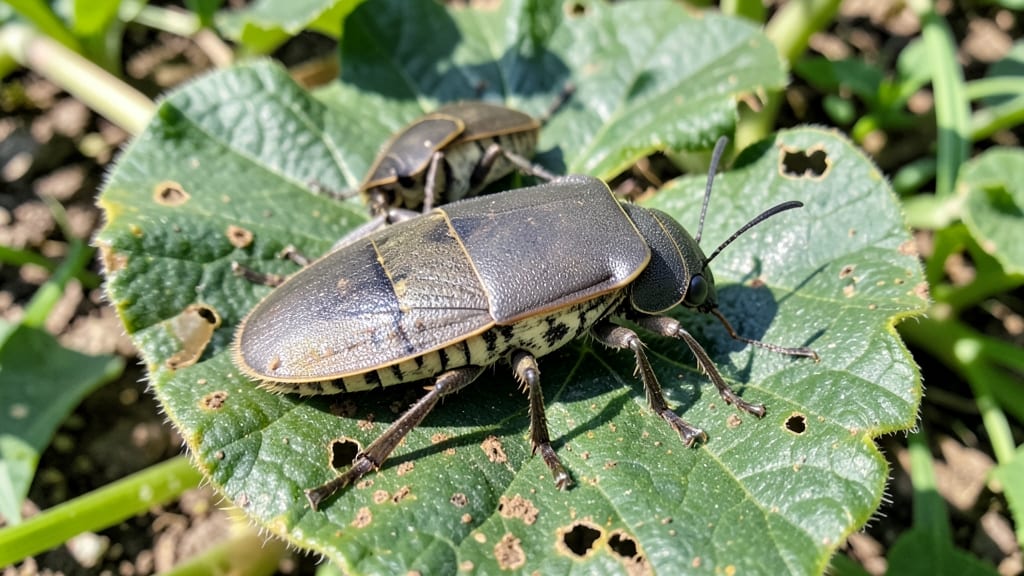
How to get rid of squash bugs in the garden—it’s all about knowing their weakness. 🌱 These shielded invaders can wipe out your zucchini patch in days, but boiling water is your secret weapon for instant nests. I’ve saved countless plants by acting fast, and you can too with just a kettle and a little elbow grease.
The key is timing: squash bugs lay eggs in clusters on the undersides of leaves, and those eggs hatch into ravenous nymphs. Once you spot the tiny yellow ovals or see skeletonized leaves, grab your boiling water and pour it directly onto the nests.
It’s brutal but effective—no chemicals, no waiting. The adults? Crush them underfoot or drop them into soapy water.
By the end of the day, you’ll have a garden free of these pests and plants that look like they’ve been revived by magic. The best part?
This method works on cucumbers, pumpkins, and melons too. Prevention starts with row covers and cleanup, but when bugs strike, boiling water is your fastest defense.
Here’s the thing—once you’ve done this once, you’ll never panic again. The next time you see those telltale egg clusters, you’ll be ready. And your squash? They’ll grow bigger, faster, and without a single bite mark. Let’s get those bugs gone for good.
Root Causes of Squash Bug Infestations
Squash bugs may seem like they appear out of nowhere, but their presence in your garden is rarely random. Understanding the why behind their invasion is the first step to stopping them before they destroy your squash, pumpkins, and cucumbers.
Let’s break down the science—and the sneaky strategies—these pests use to take over your garden.
---
Squash bugs target stressed or overcrowded plants because weak hosts are easier to colonize. Here’s why this happens:
- Poor Spacing: Squash, pumpkins, and cucumbers thrive when given room to grow. When plants are too close together, airflow is restricted, creating humid microclimates that squash bugs love.
Poor ventilation also slows recovery after damage, making plants more vulnerable to repeated attacks. - Nutrient Deficiencies: Plants lacking nitrogen, phosphorus, or potassium are less resilient to pests. Squash bugs detect chemical cues from struggling plants and zero in on them.
A quick soil test can reveal deficiencies—fixing them with compost or balanced fertilizer can deter bugs before they arrive. - Disease or Pest Damage: If your plants have already been attacked by cucumber beetles, aphids, or fungal infections, they release stress signals (like volatile organic compounds, or VOCs) that attract squash bugs.
These pests are essentially opportunistic scavengers.
Actionable Fix: Space plants 3–5 feet apart (depending on variety), rotate crops annually, and monitor for early signs of stress or disease.
---
Squash bugs aren’t picky—they thrive in warm, sheltered environments with plenty of food. Here’s what makes your garden a five-star resort for them:
- Warm Soil & Air: These bugs emerge in spring when soil temperatures hit 60°F (15°C). If your garden warms up quickly (e.g., black plastic mulch or south-facing beds), squash bugs get a head start.
They also overwinter as adults in leaf litter, mulch, or garden debris, so if your garden stays warm year-round, they may never leave. - Moisture & Shade: Squash bugs avoid dry, sunny spots—they prefer shady, damp areas where they can hide during the day and feed at night.
Drip irrigation (which keeps soil consistently moist) can unintentionally create the perfect breeding ground. - Weedy or Unkempt Gardens: Squash bugs lay eggs on weeds like morning glory, pigweed, or smartweed, which serve as a "buffer zone" before they move to your crops.
If your garden borders wild areas, these weeds act as a pest highway.
Actionable Fix: Remove leaf litter and debris in fall, use reflective mulch (like aluminum foil) to deter them, and avoid overwatering at the base of plants.
---
Squash bugs are master survivors because of their two-generation-per-season life cycle. Here’s how they outsmart gardeners:
- Early Egg-Laying: Females chew slits in stems and lay 20–30 eggs per clutch in a protective frothy foam. This foam repels predators (like birds and lacewings) and keeps eggs hydrated.
If you miss the first batch, a second generation hatches in 7–10 days, doubling your problem. - Cryptic Camouflage: Their eggs blend into plant tissue, and nymphs (baby squash bugs) resemble bird droppings—a clever trick to avoid being eaten.
Adults hide under leaves or in mulch during the day, emerging at dusk to feed. - Rapid Reproduction: A single female can produce 500+ eggs in her lifetime, and nymphs mature in 4–6 weeks.
If left unchecked, one bug can turn into an army in weeks.
Actionable Fix: Scrape eggs off stems with a fingernail or stiff brush (they’re small but visible on the underside of leaves). Check plants weekly in spring and early summer.
--- Sometimes, our own gardening practices accidentally welcome squash bugs. Here’s how:
- Planting Too Early: Squash bugs awaken in spring when soil warms.
If you plant squash or cucumbers before the last frost, the bugs may still be dormant—but as soon as they emerge, your young plants are easy targets. - Ignoring Beneficial Insects: Squash bugs hate parasitic wasps, lady beetles, and ground beetles, which naturally prey on them.
If you use broad-spectrum pesticides, you’re likely killing these allies too. - Bringing Them In: Squash bugs can hitchhike on transplants from nurseries. If you buy squash or pumpkin starts, inspect them for eggs or bugs before planting.
Actionable Fix: Wait until after the last frost to plant, encourage beneficial insects with neem oil or insectary plants (like dill or fennel), and quarantine new plants for a week.
--- Mother Nature plays a role too.
Squash bugs boom in years with: - Hot, Dry Springs: Drought-stressed plants release more attractant chemicals. - Mild Winters: If temperatures stay above 40°F (4°C) in winter, squash bugs survive longer, leading to bigger populations the next season. - Heavy Rain Followed by Sun: Rain washes eggs into soil, where they hatch quickly when the sun returns.
Actionable Fix: Use row covers in early spring to block adults, and mulch heavily in winter to prevent soil warming.
--- Squash bugs don’t just appear—they’re responding to cues in your garden’s environment, plant health, and even your gardening habits. By addressing stress, shelter, and reproduction cycles, you can make your garden a less appealing (and safer) place for them.
The good news? Early intervention—like drowning egg masses in boiling water—can stop them before they become a full-blown infestation. 🚀
Practical Fixes for Squash Bugs
Squash bugs are relentless, but with the right strategies, you can reclaim your garden—fast. Below are targeted solutions based on the root causes of infestations, from quick fixes to long-term prevention.
---
Why it works: Squash bugs are slow-moving, making them easy to remove manually. Focus on adults (shield-shaped backs) and nymphs (smaller, lighter green).
How to do it: 1. 👨🍳 Wear gloves (they secrete a foul-smelling fluid when crushed). 2. 🕵️♂️ Check undersides of leaves, stems, and soil crevices—especially near squash, pumpkin, and melon plants. 3. 💦 Drop them into soapy water (1 tbsp dish soap per gallon) to kill them instantly. 4. ⏰ Do this daily for 2–3 weeks to break their life cycle.
💡 Pro Tip: Work in the early morning when bugs are sluggish and easier to spot.
---
Why it works: Squash bugs lay eggs in clusters on the undersides of leaves and stems. Boiling water instantly kills eggs and young nymphs.
How to do it: 1. 🔥 Boil 1–2 cups of water per nest. 2. 💧 Pour slowly over egg clusters (aim for the white, oval-shaped masses). 3. 🔄 Repeat every 3–5 days—new eggs hatch quickly! 4. ⚠️ Avoid healthy plant tissue—test on a small area first.
✨ Bonus: Use a drop cloth beneath the plant to catch fallen bugs.
---
Why it works: Prevents adult squash bugs from laying eggs in the first place.
How to do it: 1. 🛒 Get lightweight row covers (fine mesh, like Agribon). 2. 🌱 Cover young plants before bugs appear (early spring). 3. 🔄 Remove covers when plants flower (to allow pollination). 4. 🔄 Reapply after harvest if storing pumpkins/squash in the garden.
💡 Pro Tip: Secure edges with soil or bricks to block crawling adults.
---
Why it works: Lures bugs away from your main crops by offering a more attractive host.
How to do it: 1. 🌿 Plant trap crops like cucumbers or zucchini near your garden’s edge. 2. 🚫 Monitor daily and handpick bugs before they spread. 3. 🔄 Replace trap plants every 2–3 weeks to maintain effectiveness. 4. 🍂 Remove and destroy infested plants far from your garden.
⚠️ Warning: Don’t compost trap plants—burn or trash them to prevent reinfestation.
---
Why it works: Disrupts their feeding and reproduction without harsh chemicals.
Best options: | Spray | How to Use | When to Apply | |-------------------------|----------------------------------------|----------------------------| | Neem Oil | Mix 1 tbsp neem oil + 1 tsp soap per gallon of water. Spray evenly (top & bottom of leaves). | Evening (avoids burning plants). Repeat every 5–7 days. | | Kaolin Clay | Mix 2 tbsp clay per gallon of water. Creates a protective film that bugs dislike. | Early morning, reapply after rain. | | Insecticidal Soap | Follow label rates. Direct spray on bugs. | Every 3–4 days (kills on contact). |
💡 Pro Tip: Rotate sprays to prevent resistance—neem one week, soap the next.
---
Why it works: Encourages natural enemies of squash bugs to reduce populations over time.
Best helpers: - 🐞 Parasitic Wasps (Telenomus bassae) – Lay eggs inside squash bug eggs. - 🦋 Assassin Bugs – Hunt and eat squash bug nymphs. - 🐸 Frogs & Toads – Love munching on adults.
How to attract them: 1. 🌿 Plant diverse flowers (dill, fennel, marigolds) to feed predators. 2. 💧 Add a shallow water source (like a saucer with pebbles). 3. 🌿 Avoid broad-spectrum pesticides (they kill beneficial bugs too!).
⏳ Timeframe: Takes 2–3 seasons to see a big impact, but worth it for organic gardens.
---
🔹 Early Detection: - 🕵️♀️ Inspect plants weekly (start in late spring). - 📸 Take photos of damage (helps ID future outbreaks).
🔹 Garden Hygiene: - 🍂 Clean up last year’s debris (bugs overwinter in dead vines). - 🌱 Rotate crops (don’t plant squash family in the same spot yearly).
🔹 Soil Health: - 💧 Mulch with straw (deters egg-laying). - 🌱 Use raised beds (harder for bugs to crawl up).
💡 Final Tip: Act fast—squash bugs reproduce rapidly (up to 3 generations per season).
--- 🎯 Key Takeaway: Combine handpicking, boiling water, and organic sprays for the fastest results, then shift to prevention for long-term peace. Your garden will thank you!
Frequently asked questions about squash bugs
What do squash bug eggs look like, and where should I look for them?
Squash bug eggs are tiny, yellow ovals arranged in clusters on the undersides of leaves or along stems. They’re often hidden in plain sight—check the main veins of leaves, especially near the midrib. Early detection is key, as these eggs hatch into destructive nymphs in just 7–10 days.
Can I use vinegar to kill squash bugs, or will it harm my plants?
While vinegar can kill squash bugs on contact, it’s not recommended for your garden. The acidity can damage plant leaves, especially tender squash or cucumber foliage. Instead, use soapy water (1 tbsp dish soap per gallon) or neem oil—both are safer and equally effective.
How do I know if my squash plants are stressed enough to attract squash bugs?
Stressed plants show yellowing leaves, stunted growth, or wilting—all signals that attract squash bugs. Poor spacing, nutrient deficiencies (like lack of nitrogen), or previous pest damage (e.g., cucumber beetles) make plants more vulnerable. Fix these issues first by spacing plants 3–5 feet apart and using balanced fertilizer.
Will squash bugs go away on their own, or do I need to act fast?
No, they won’t disappear—squash bugs reproduce rapidly, with up to 3 generations per season. Act immediately when you spot eggs or adults. Handpick them daily for 2–3 weeks or use boiling water on egg clusters. Delaying action risks losing your entire crop to skeletonized leaves and wilting vines.
Can I reuse last year’s mulch if I had squash bugs?
Never reuse mulch from an infested area! Squash bugs overwinter as adults in leaf litter and garden debris. Remove all old mulch, vines, and plant residue in fall and replace with fresh straw or wood chips. This breaks their life cycle and reduces next year’s risk by 90%.