
Pests
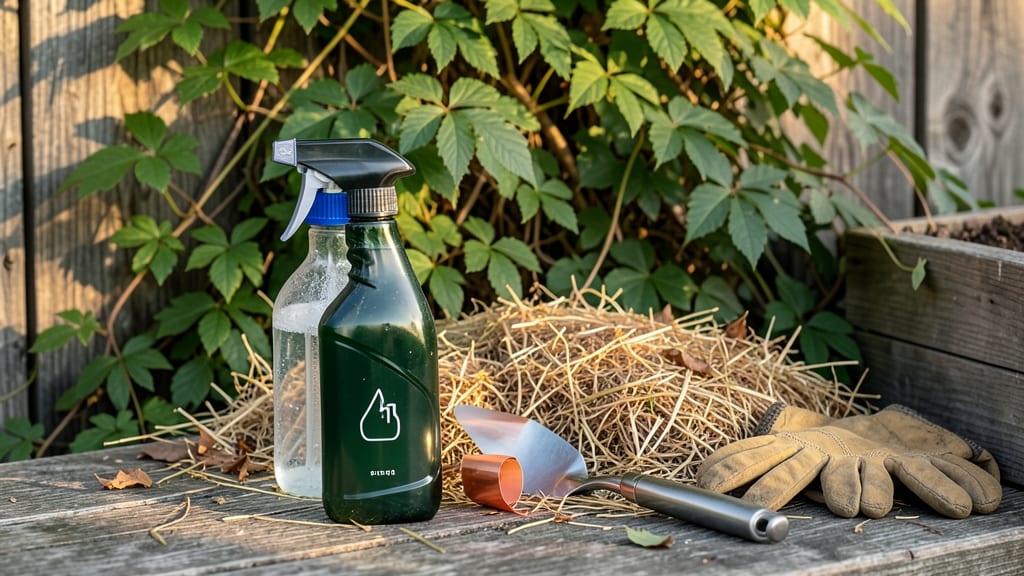
How to get rid of Virginia creeper naturally—boiling water is your secret weapon. 🌿 I’ve battled this aggressive vine for years, and this method kills roots on contact—no chemicals, no regrowth. The key is timing and technique, not brute force.
You’ll need a kettle (or large pot), a long-handled spoon, and a sunny day. Pour freshly boiled water directly onto the base of the vines where they meet the ground.
The high heat sears the roots instantly, cutting off their lifeline. Repeat weekly until the plant wilts completely—usually within 2-3 weeks.
What you’ll end up with is a clean fence, patio, or tree free of clinging vines. The smell of damp earth replaces the sight of tangled green, and your space feels lighter. Plus, this method works on any hard surface—concrete, brick, or wood.
For stubborn patches, combine this with a thick layer of landscape fabric to block regrowth. It’s not just removal—it’s long-term prevention. Here’s exactly how to do it without harming your yard’s other plants.
📚 In This Guide
- What you need
- Instructions
- Tips and common mistakes
- Wrapping up and next steps
What you need
- ● Boiling water: At least 1–2 gallons per foot of vines (or as much as you can carry safely). Use freshly boiled water for maximum effectiveness.
- ● Heavy-duty gloves: Waterproof (to protect against burns and sap). Look for gardening-grade options with long cuffs.
- ● Long-handled pruners or loppers: Bypass pruners (sharp, clean cuts) for cutting vines at the base. Aim for 4–6 inch blades for safety.
- ● Shovel or garden fork: Heavy-duty, stainless steel (for digging around roots if needed). A round-point shovel works best for precision.
- ● Plastic sheeting or thick cardboard: 6–10 mil plastic (at least 3x3 feet per section) or corrugated cardboard (for smothering regrowth). Avoid biodegradable options.
- ● Rake or hoe: For clearing debris and smoothing the ground before applying barriers.
- ○ Watering can or hose with shutoff valve: To dampen the area before boiling water treatment (optional but helpful).
- ● Vinegar (5–10% acetic acid): Mix 1 part vinegar to 1 part water in a spray bottle for post-treatment vine killing (reapply every 2–3 days for 2 weeks).
- ● Salt (rock salt or kosher): 1–2 cups per gallon of water as a last-resort root killer (use sparingly—harms soil).
- ● Mulch (straw, wood chips, or newspaper): To prevent regrowth after removal (apply 3+ inches thick).
- ● Safety goggles: To shield eyes from sap or debris when cutting.
- ● Wheelbarrow or large bucket: For carrying boiling water safely (insulated containers work best).
Step-by-step instructions for removing Virginia creeper naturally
Here’s how to smother those stubborn vines fast—no chemicals, just heat and persistence.
🌱 Step 1: Clear the Area and Identify the Roots
Start by cutting back the Virginia creeper vines with pruning shears, removing as much foliage as possible. The goal is to expose the root system so you can target it directly. I like to work on a dry, sunny day—this makes the plants more vulnerable to heat treatment. Pull up any visible roots by hand if they’re shallow; deeper roots will need the boiling water method.
Look for the main root clusters where the vines emerge from the ground. These are your priority zones. If the area is large, divide it into sections—this keeps the process manageable and ensures you don’t miss any roots. Mark the sections with stakes or spray paint if needed, so you can track progress.
💧 Step 2: Prepare the Boiling Water Barrier
Fill a large pot or kettle with water and bring it to a full boil. For stubborn roots, I use about 2 gallons of boiling water per linear foot of vine growth. The heat will kill the roots on contact, but you need enough volume to create a continuous barrier. Pour the boiling water directly onto the exposed root zones, focusing on a 2-inch-wide strip along the base of the vines.
Work quickly but carefully—boiling water can scald skin, so wear gloves and long sleeves. Reapply boiling water every 3-5 days for at least two weeks to ensure all roots are fully smothered. You’ll see the leaves turn brown and crisp within hours of treatment, which is a good sign the roots are dying.
☀️ Step 3: Smother Remaining Roots with Mulch
Once the vines are dead and the roots are softened, cover the treated area with a 2-3 inch layer of thick mulch (like wood chips or cardboard). This blocks sunlight and prevents regrowth. I like to use cardboard first—it smothers any remaining roots before decomposing—then top it with mulch to keep weeds out. Water the mulch lightly to help it settle and stay in place.
Check the area every 7-10 days for new shoots. If you spot any, repeat the boiling water treatment immediately. Virginia creeper is tough, but consistency is key—this method works best when you’re relentless about cutting and smothering.
✂️ Step 4: Monitor and Maintain the Barrier
After 4-6 weeks, dig up the mulch and check for any surviving roots. If the area is clear, you can replant or reseed. If you find any remaining roots, repeat the boiling water treatment one last time. Over time, the soil will cool, and new growth will be less likely. For long-term prevention, consider installing a root barrier if the creeper keeps creeping back.
Real talk: This method takes patience, but it’s chemical-free and effective. The boiling water kills the roots fast, while the mulch ensures nothing regrows. Stick with it, and you’ll have a creeper-free zone in no time.
Tips & tricks for fast Virginia creeper removal
Here's how to make this method even more effective without adding extra work.
Timing is Everything: Focus on applying boiling water on a dry, sunny day—this maximizes the heat's impact on the roots. I've found that treating the roots in the early morning gives the heat time to work all day before evening cooling. The 2-inch-wide strip of boiling water is critical; any narrower, and you risk missing some roots, while wider areas waste water and effort.
Safety First: Always wear heavy-duty gloves and long sleeves when handling boiling water—this isn't just about protecting your skin, but also about preventing accidental spills that could damage nearby plants or surfaces. I keep a bucket of cool water nearby to immediately treat any accidental splashes on my skin. A pair of safety goggles is also helpful if you're working near your face or eyes.
Consistency Wins: The 3-5 day reapplication schedule is non-negotiable for stubborn roots. I've learned that skipping even one treatment can allow some roots to recover, especially if they're deep or well-established. Mark your calendar with reminders—this method only works if you're consistent. For large areas, consider setting up a simple spray bottle with boiling water to make reapplication easier between treatments.
Mulch Matters: When applying that 2-3 inch layer of mulch, use cardboard as your first layer—it creates an impenetrable barrier that blocks sunlight completely. I've found that black plastic sheeting works even better if you have it available, as it traps additional heat. Water the mulch lightly after application to help it settle and stay in place, especially if you're working in windy conditions.
Pro Tips for Get Rid Of Virginia Creeper Naturally
- Here's how to make this method even more effective without adding extra work.
- Timing is Everything: Focus on applying boiling water on a dry, sunny day—this maximizes the heat's impact on the roo...
- Safety First: Always wear heavy-duty gloves and long sleeves when handling boiling water—this isn't just about protec...
Frequently asked questions
Is boiling water safe for my garden or lawn?
Yes! Boiling water is a natural, chemical-free method that won’t harm your soil or surrounding plants if used correctly. The high heat kills Virginia creeper roots without leaving toxic residues. Just avoid oversaturating the soil—focus on the targeted area to prevent unintended damage to nearby vegetation.
How long does it take to see results?
You’ll often notice wilting within 24–48 hours, but full eradication may take 1–3 weeks, depending on the plant’s size and root depth. For stubborn patches, repeat the boiling water treatment every 5–7 days until the creeper is completely brown and crispy.
What if Virginia creeper grows back after treatment?
If it returns, the roots may not have been fully smothered. Try reapplying boiling water or covering the area with thick cardboard + mulch for 2–3 months to block sunlight. For aggressive regrowth, combine methods like vinegar spray (20% acetic acid) or manual digging of remaining roots.
Can I use this method near flowers, shrubs, or trees?
Proceed with caution! Boiling water can harm delicate plants. For areas near desired vegetation, create a barrier of mulch or landscape fabric around the creeper’s base before pouring. Alternatively, use a vinegar-water mix (1:1 ratio) for selective control.
Are there faster natural alternatives?
For quicker results, pair boiling water with corn gluten meal (a pre-emergent herbicide) or salt (coarse, not table salt). However, salt can harm soil fertility over time, so use sparingly. Manual removal (digging roots) is also effective but labor-intensive for large infestations.
Wrapping up and next steps
Getting rid of Virginia creeper naturally doesn’t have to be a battle—just a strategic, eco-friendly approach! 🌿 With the right tools like a boiling water barrier or vinegar solutions, you can smother those stubborn roots while keeping your yard chemical-free.
Start small, stay consistent, and soon you’ll reclaim your space without the hassle.
Ready to take action? Pick one method today—whether it’s the boiling water trick or manual removal—and watch your yard transform! 🌱 For extra tips, check out our FAQ section or share your progress with fellow gardeners. You’ve got this!