
Flowers
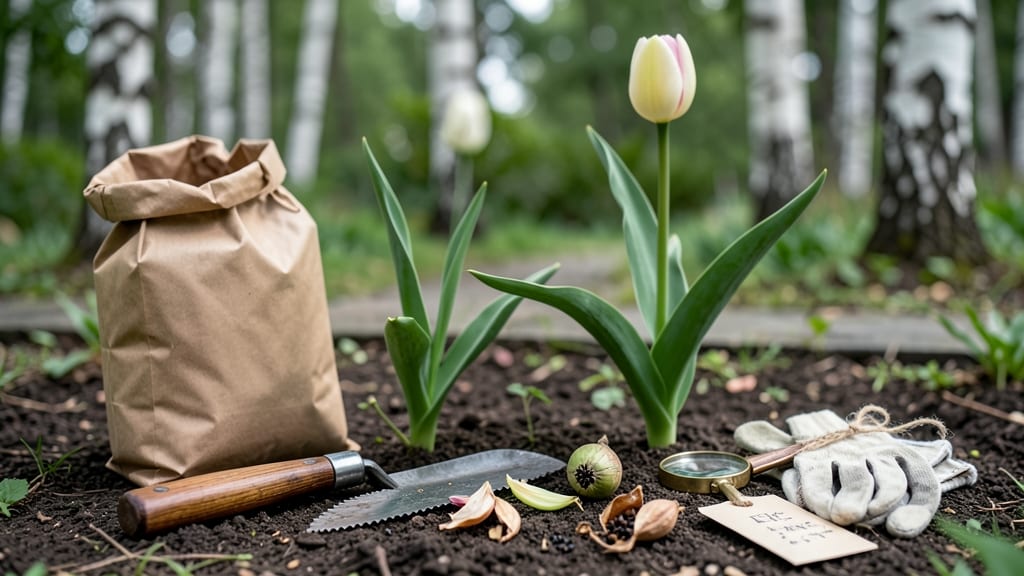
How to get tulip seeds from flowers isn’t the usual way to grow these showstoppers—but harvesting them turns every spent bloom into a tiny promise of next spring’s garden. 🌷 Most gardeners bypass seeds entirely, but if you’re curious (or patient), these dried pods hold the key to growing rare heirloom varieties from scratch. The catch? Tulip seeds take 2 years to bloom after planting, and only about 10% of seeds will germinate—but when they do, the payoff is worth the wait.
First, you’ll need to spot the right moment: wait until the tulip flower fades completely, then watch for the green seed pod that forms in its place. These pods turn papery brown when ripe—usually 8-12 weeks after flowering.
Snip them carefully (they’re delicate!) and let them dry indoors for another 2 weeks before cracking them open to reveal flat, dark seeds the size of pinheads. Store them in a cool, dry spot until planting time.
Germination is the real test of patience. Plant seeds ½ inch deep in well-draining soil in early fall, then wait. Most won’t sprout until the second spring, and even then, only a few might push through.
But when they do, you’ll have true-from-seed tulips—no hybrid vigor loss, just pure, unpredictable beauty. Think of it as a long-term experiment rather than a reliable harvest.
Here’s the honest truth: unless you’re breeding new varieties or obsessed with rare tulips, bulbs are the smarter choice. But if you’re intrigued by the idea of growing something from nothing—something that took nature years to perfect—this is your chance.
Just don’t expect instant gratification (or a full-blown border). The magic happens in the waiting.
📚 In This Guide
- What you need
- Instructions
- Tips and common mistakes
- Wrapping up and next steps
What you need
- ● Mature tulip pods: Harvest only dried, brown seed pods (after the petals fall). Aim for 5–10 pods for a good yield.
- ● Sharp scissors or pruning shears: Clean, sterilized tools to avoid contamination (e.g., blank">Felco F-2 or similar).
- ● Paper towels or newspaper: For drying seeds (use 2–3 sheets per batch).
- ● Small mesh bag or envelope: Breathable fabric (like blank">mesh produce bags) to store seeds while drying.
- ● Plastic container with lid: Airtight for stratification (e.g., a quart-sized Tupperware).
- ● Refrigerator or cold storage: Must maintain 35–40°F (2–4°C) for 8–12 weeks.
- ● Potting mix: Well-draining, sterile mix (e.g., 50% peat moss + 50% perlite or a blank">seed-starting blend).
- ● Small pots or seed trays: 2–3 inch deep containers with drainage holes (e.g., blank">plastic cell packs).
- ● Spray bottle: For gentle watering (avoid soaking!).
- ● Plant labels & marker: To track seed varieties (e.g., blank">wooden labels).
- ● Grow lights: LED bulbs (e.g., blank">full-spectrum 10W) for seedlings if natural light is less than 6 hours/day.
- ● Humidity dome: Clear plastic wrap or a blank">mini greenhouse to retain moisture.
- ● Seedling heat mat: 70–75°F (21–24°C) mat (e.g., blank">Gardman 5020) to speed germination.
- ○ Fungicide (optional): 1 tsp hydrogen peroxide per quart of water to prevent mold during stratification.
- ● Journal/notebook: To log pod collection dates, stratification progress, and germination timelines.
Tips & tricks for perfect tulip seed extraction
These insider secrets will help you maximize your tulip seed harvest and boost germination rates.
Pod Selection: The key to viable seeds starts with choosing the right pods. In Step 1, look for pods that have turned completely brown and feel crispy when squeezed—this indicates full maturity. Avoid green or partially dried pods, as they won't contain fully developed seeds. I've learned that pods from the center of the flower cluster often yield the most seeds, so focus your harvest there first.
Gentle Extraction Technique: When opening dried pods in Step 2, resist the urge to force them—tulip pods are delicate and can crumble if handled roughly. I place the pods on a clean sheet of paper first, then use a small knife to make a tiny slit along the seam. This controlled approach prevents seed loss while making extraction much easier. The paper also helps collect any seeds that might fall during handling.
Stratification Success: For the 8-12 week cold treatment in Step 3, I recommend using a clear plastic bag with a damp paper towel—this lets you monitor moisture levels without opening the bag. Place a small piece of tape on the bag with the date to track your stratification period accurately. After removing from cold storage, let seeds sit at room temperature for the full 1-2 days before planting; this gradual temperature change prevents shock that could reduce germination rates.
Pro Tips for Get Tulip Seeds From Flowers
- These insider secrets will help you maximize your tulip seed harvest and boost germination rates.
- Pod Selection: The key to viable seeds starts with choosing the right pods. In Step 1, look for pods that have turned...
- Gentle Extraction Technique: When opening dried pods in Step 2, resist the urge to force them—tulip pods are delicate...
Frequently asked questions
Got questions about harvesting tulip seeds? You’re not alone! Here are some of the most common concerns—plus clear, actionable answers to help you succeed.
Can I get seeds from store-bought tulips?
Unfortunately, no. Most tulips sold in stores are hybridized varieties, meaning their seeds won’t grow true to the parent plant. For reliable seeds, choose heirloom or species tulips (like Tulipa gesneriana) from seed-saving sources or grow them from seed yourself.
How long does it take for tulip seed pods to mature?
Tulip seed pods typically take 8–12 weeks to fully dry on the plant after flowering. If harvested too early, seeds won’t be viable. Wait until the pods turn brown and papery—they’ll rattle when shaken, signaling readiness!
What’s the best way to store tulip seeds until planting?
Store seeds in a cool, dry place (like a paper envelope in the fridge) for up to 6 months. For longer storage, dry them further with silica gel or a dehydrator, then keep them in an airtight container with a desiccant packet.
Why aren’t my tulip seeds germinating?
Tulip seeds need cold stratification (4–6 weeks in the fridge) to break dormancy. If they’re still stubborn, try scarification (lightly nicking the seed coat) or mix them with moist sand before planting. Patience is key—germination can take 3–6 months!
Can I grow tulips from seeds indoors?
Yes! Start seeds in well-draining soil under grow lights (they need 12–14 hours of light daily). Keep soil moist but not soggy, and transplant seedlings outdoors after the last frost. Just know: Seed-grown tulips may take 3–5 years to bloom!
Wrapping up and next steps
Getting tulip seeds from flowers is a rewarding journey that connects you to nature’s cycle—from dried pods to germination-ready grains. With patience and the right steps, you’ll unlock the magic of growing your own tulips, ensuring vibrant blooms for seasons to come. 🌱
Now that you’re armed with knowledge, why not plant those seeds? Start a small batch in pots or directly in your garden bed, and watch your green thumb grow even stronger. Happy gardening!