
Propagation
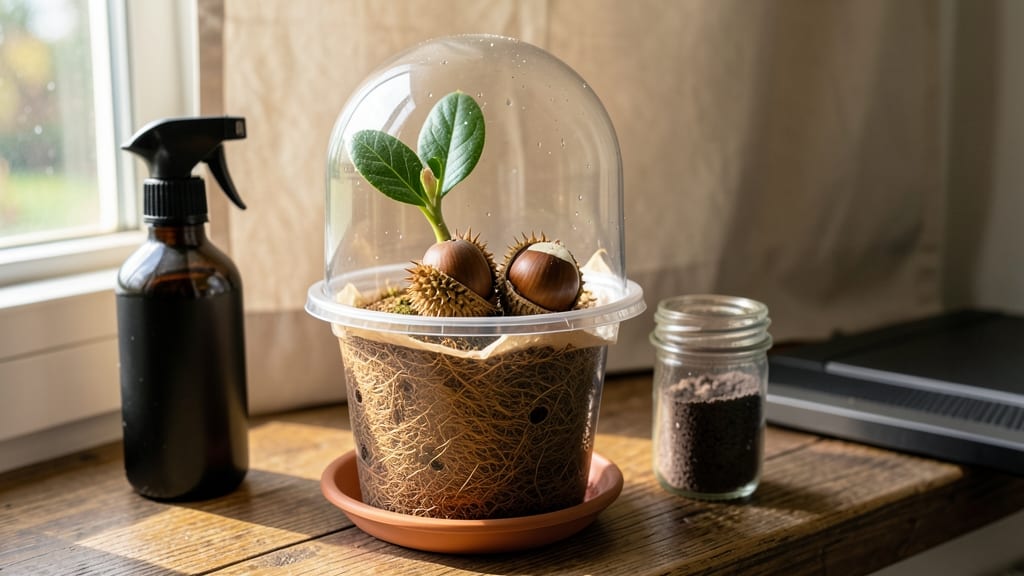
How to grow a buckeye tree from a nut feels like magic—one year you plant a seed, and decades later, you're shading your grandkids under its massive branches. 🌱 The key isn't rushing it; buckeyes demand patience and a few simple tricks to break their dormancy first. Start by collecting fresh nuts in fall, then soak them in water for 24 hours before cold-stratifying them in damp sand or peat moss for 3-4 months in the fridge. This mimics winter's chill, tricking the seed into thinking it's time to grow. Skip this step, and you might wait years—or never see sprouts. Once planted outdoors in spring, keep the soil moist but not soggy, and give it full sun to thrive. Germination can take 2-3 months, and early growth is slow, but don't give up. A healthy seedling will reward you with glossy leaves and that signature buckeye shape within a few years. Common pitfalls? Overwatering (which causes rot) or planting too deep (which smothers the sprout). With the right care, though, your buckeye will grow into a stately shade tree—worth every moment of waiting.
📚 In This Guide
- What you need
- Instructions
- Tips and common mistakes
- Wrapping up and next steps
What you need
- ● Buckeye nuts: 1–3 fresh, healthy nuts (preferably from a mature tree—avoid store-bought nuts, as they’re often treated to prevent sprouting).
- ○ Small pots or containers: 2–3 (4–6 inches deep) with drainage holes. Optional: Biodegradable pots for transplanting later.
- ● Well-draining potting mix: 2–3 bags (a mix of peat, perlite, and sand works well).
- ● Watering can or spray bottle: For gentle hydration.
- ● Plastic wrap or humidity dome: To maintain moisture during germination.
- ● Garden trowel or small knife: For planting and scarifying nuts if needed.
- ● Outdoor space or grow light: A sunny spot (6+ hours of light daily) or a grow light for indoor starters.
- ○ Fertilizer (optional): A balanced, slow-release fertilizer (e.g., 10-10-10) for later growth stages.
- ● Patience: Buckeye nuts can take weeks to months to sprout—don’t rush the process!
- ● Temperature: Ideal germination range is 60–75°F (15–24°C). Avoid freezing temps.
- ● Location: Choose a spot with partial shade (young trees are sensitive to harsh sun).
- ● Soil pH: Slightly acidic to neutral (6.0–7.0) for optimal growth.
Step-by-step instructions for growing a buckeye tree from a nut
Here’s how to coax one of nature’s most striking shade trees from a simple seed—with minimal fuss and maximum reward.
🌱 Step 1: Harvest and Prepare the Buckeye Nut
Collect fresh buckeye nuts in late summer or fall when they’ve fallen naturally—green nuts won’t germinate. Crack open the hard shell to reveal the glossy seed inside. I like to soak the seeds in lukewarm water for 24 hours to soften the outer coating, which speeds up germination. This isn’t mandatory, but it cuts down on waiting time.
After soaking, gently rub the seed between your fingers to remove any remaining husk. The seed should feel smooth and firm. Plant it within a few days—buckeye seeds lose viability quickly once dried out. If you’re storing seeds, keep them in a cool, dry place and plant them as soon as possible for best results.
🪴 Step 2: Plant the Seed in a Well-Draining Pot
Use a 4-6 inch pot with drainage holes and fill it with a mix of 50% potting soil and 50% perlite or coarse sand. Buckeye seeds need excellent drainage to avoid rot. Plant the seed about 1 inch deep—deeper planting slows germination because the seedling has to push through more soil.
Water lightly until the soil is moist but not soggy. Place the pot in a warm spot with indirect light—a sunny windowsill works well. Keep the soil consistently moist, but never waterlogged. You’ll know it’s right when the top inch feels damp but not wet to the touch. Germination can take anywhere from 2-4 weeks, so patience is key.
☀️ Step 3: Provide Light and Gradually Acclimate Seedlings
Once the first true leaves appear—small, rounded, and bright green—move the seedling to a spot with bright, indirect light. Direct sun can scorch tender new growth. If you’re using a grow light, keep it 6-12 inches above the plant for 12-14 hours daily.
After 4-6 weeks, when the seedling has 3-4 sets of true leaves, it’s ready for a larger pot or outdoor planting. If moving outside, do it gradually—start with 1-2 hours of morning sun per day and increase exposure over 7-10 days. Sudden full sun can shock the plant, causing leaves to wilt or turn yellow.
⏰ Step 4: Transplant to the Ground at the Right Time
Wait until spring after the last frost—buckeye seedlings are frost-sensitive. Choose a location with full sun to partial shade and well-draining soil. Dig a hole twice as wide as the root ball but only as deep as the container’s drainage holes. This prevents burying the stem too deep, which can cause rot.
Water the seedling thoroughly before transplanting to reduce shock. After planting, water deeply again and mulch around the base with 2-3 inches of organic mulch to retain moisture and regulate soil temperature. Buckeye trees grow slowly at first, so don’t rush—give it time to establish roots before expecting rapid growth.
🌿 Step 5: Maintain and Protect Young Trees
Water newly planted buckeye trees once a week during the first growing season, or whenever the top 2 inches of soil feel dry. Overwatering is the biggest mistake—buckeyes are drought-tolerant once established. Fertilize lightly in early spring with a balanced, slow-release fertilizer to encourage steady growth.
Watch for pests like aphids or spider mites, which can attack young leaves. A strong spray of water usually dislodges them, but severe infestations may require neem oil. Buckeye trees are generally low-maintenance, but prune any dead or crossing branches in late winter to keep the tree healthy and shaped naturally.
Tips & tricks for growing a buckeye tree from a nut
These pro tips will help you navigate the quirks of buckeye germination and give your seedling the best start possible.
Soaking Strategy: The 24-hour soak in lukewarm water is your secret weapon for faster germination. I've found that using a glass jar with the seed submerged just below the water line prevents mold while keeping the seed hydrated. If you forget to soak, don't worry—buckeye seeds can still germinate without it, but it might take the full 2-4 weeks instead of the quicker 1-2 weeks. The key is consistency in moisture during this critical period.
Germination Watch: During those 2-4 weeks of waiting, place your pot inside a clear plastic bag with small holes punched in it. This creates a mini greenhouse effect that maintains humidity without overwatering. Check daily for condensation on the bag—if it's dripping, you've got too much moisture. The moment you see a tiny sprout, remove the bag immediately to prevent rot.
Light Transition: When moving your seedling from indirect light to bright indirect (Step 3), do it gradually over 3-4 days. Start with morning light only, then slowly increase exposure. I've seen seedlings shocked by sudden bright light turn yellow and crispy—it's heartbreaking but preventable. If you're using artificial light, LED grow lights work best and can be left on for the full 12-14 hours daily without burning the plant.
Transplant Timing: The "spring after last frost" window is crucial—don't rush this step. I've made the mistake of transplanting too early when late frosts still threatened, and it set my seedling back weeks. Check your local frost dates and mark your calendar. For extra protection, cover young trees with frost cloth during the first few nights after transplanting, even if the forecast looks clear.
Pro Tips for Grow A Buckeye Tree From A Nut
- These pro tips will help you navigate the quirks of buckeye germination and give your seedling the best start possible.
- Soaking Strategy: The 24-hour soak in lukewarm water is your secret weapon for faster germination. I've found that us...
- Germination Watch: During those 2-4 weeks of waiting, place your pot inside a clear plastic bag with small holes punc...
Frequently asked questions
Growing a buckeye tree from a nut can be rewarding, but it’s natural to have questions along the way. Here are some common ones—and their answers—to help you succeed!
How long does it take for a buckeye nut to sprout?
A buckeye nut typically sprouts in 4 to 8 weeks if kept in warm, moist conditions. Some may take longer, especially if the nut is still hard or cold-treated. Patience is key—don’t give up if germination takes a few extra weeks!
Do I need to cold-stratify buckeye nuts before planting?
Yes! Buckeye nuts require cold stratification (60–90 days in the fridge) to break dormancy. Skip this step, and germination rates will plummet. Wrap the nuts in damp peat moss or a paper towel, then refrigerate for best results.
Can I grow a buckeye tree indoors first?
Start the nut indoors in a pot with well-draining soil, keeping it warm (70–75°F) and moist. Once the seedling grows 2–3 inches tall and true leaves appear, you can transplant it outdoors after the last frost.
Why isn’t my buckeye nut sprouting? Troubleshooting tips.
If your nut isn’t sprouting, check these common issues:
- Too dry – Keep soil consistently moist (not soggy).
- Not enough warmth – Use a heat mat if your home is chilly.
- Old or damaged nut – Try a fresh, intact buckeye instead.
- Lack of stratification – Ensure it’s had its cold period.
How big does a buckeye tree get, and how fast?
Mature buckeye trees reach 20–40 feet tall with a spread of 25–35 feet. Growth is moderate—expect 1–2 feet per year once established. They’re slow to start but become stunning shade trees over decades!
Wrapping up and next steps
Growing a buckeye tree from a nut is a rewarding journey that blends patience with the joy of nurturing life. With the right preparation—cold stratification, proper soil, and consistent care—you’ll watch a humble seed transform into a stunning shade tree. 🌱✨
Now that you’re armed with knowledge, take the next step: plant that seed and let nature do its magic. Share your progress with fellow gardeners or even tag us—we’d love to see your buckeye’s growth story unfold!