
Propagation
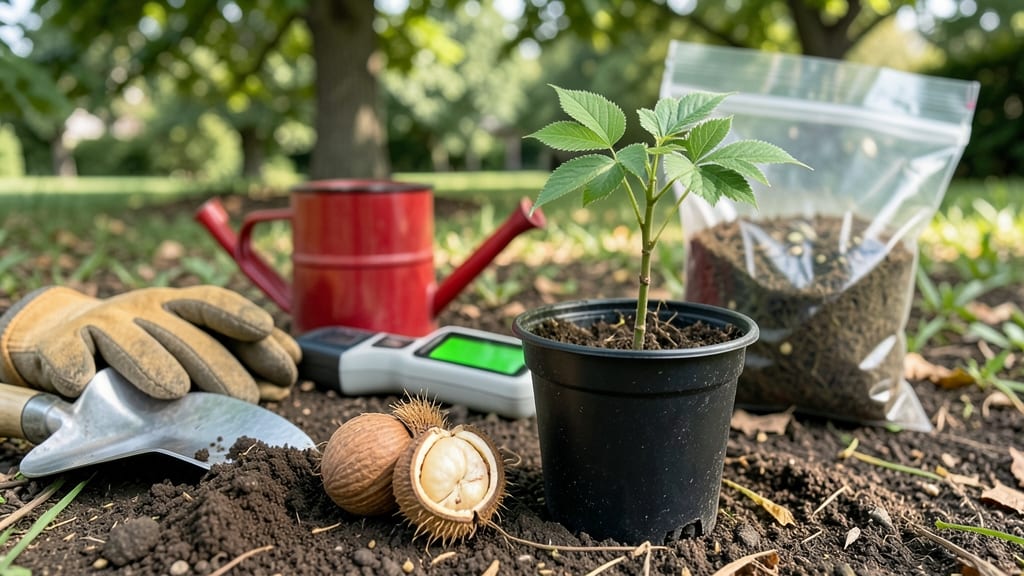
How to grow hickory trees from seed means planting for your grandchildren’s shade. 🌱 These giants take decades to mature, but the journey starts with a handful of nuts and a little winter patience—no fancy equipment needed, just time and the right technique.
The first hurdle is breaking dormancy: most hickory seeds need 90 days of cold stratification to germinate. I’ve tried soaking and scarifying, but nothing beats the slow-mo method—bury them in damp sand or peat moss in the fridge.
Once sprouted, they’re delicate, so handle them like glass. Transplant carefully, and you’ll see your first true leaves within 6-12 months—not the instant gratification of annuals, but the kind of reward that lasts generations.
Give them full sun to partial shade (they tolerate both, unlike most shade trees) and deep, well-draining soil—hickories hate soggy feet. Water consistently the first year, then let nature take over.
By year 5, you’ll have a 6-foot sapling that’ll eventually tower over your yard, providing nuts and shade for decades. The trick? Patience. These trees grow slower than your fingernails, but they’re worth every wait.
Common pitfalls? Overwatering (they’re drought-tolerant once established) and impatience (they will grow, just not overnight). If squirrels or deer raid your seeds, try planting in wire cages until they sprout. And if germination takes longer than expected?
That’s normal—hickories are masters of delayed gratification. Stick with it, and you’ll be the only one on the block with a homegrown forest in your future.
📚 In This Guide
- What you need
- Instructions
- Tips and common mistakes
- Wrapping up and next steps
What you need
- ● Hickory seeds: Fresh, mature nuts (preferably from a Carya species like shagbark or pecan hickory). Aim for 10–20 seeds to account for germination variability.
- ○ Seed tray or pots: 4–6" deep with drainage holes (use 5–10 pots for your seed batch). Optional: Biodegradable seed pods for transplanting later.
- ● Potting mix: A well-draining blend of 50% peat moss or coconut coir, 30% perlite or vermiculite, and 20% sand (sterilized to prevent mold).
- ● Grow lights or sunny windowsill: Hickory seedlings need bright, indirect light (12+ hours/day) until outdoors.
- ● Misting bottle or spray nozzle: To keep soil consistently moist (not soggy) during germination.
- ● Pruning shears or knife: For stratifying seeds (scarifying the shell if needed) or trimming seedlings later.
- ○ Thermometer (optional but helpful): To monitor soil temps during cold stratification (35–45°F for 60–90 days).
- ● Cold frame or refrigerator: For stratification (required for breaking seed dormancy).
- ● Garden gloves: Hickory shells are tough—protect your hands!
- ○ pH testing kit (optional): Ideal soil pH for hickories: 6.0–7.5.
- ● Sunny, well-drained site: Hickories need full sun (6+ hours/day) and acidic to neutral soil.
- ● Mulch (wood chips or pine straw): 2–3" layer to retain moisture and mimic forest floors.
- ○ Stakes & twine (optional): For young seedlings in windy areas.
Step-by-step instructions for growing hickory trees from seed
Mastering this slow, rewarding process means understanding the seed's quirks and giving it the right conditions.
🌱 Step 1: Harvest and Stratify the Seeds Properly
Collect hickory nuts in late fall after they've fallen naturally—they won't germinate fresh. Remove any cracked or insect-damaged nuts, then store the sound ones in a moistened peat moss or sand mix in a sealed container. Place this in your refrigerator's crisper drawer for 90-120 days to complete cold stratification.
Here's the thing—hickory seeds need this cold period to break dormancy. I've tried planting them straight from the tree, and they simply refuse to sprout. After 3 months, check for a small root emerging from the seed. If you see this, it's ready for planting.
🪴 Step 2: Prepare Containers and Planting Medium
Use 4-inch diameter containers filled with a mix of 50% sandy loam and 50% compost. The drainage must be excellent—hickory seedlings rot quickly in soggy soil. I like to add a handful of perlite to each container to prevent compaction.
Plant each seed 1 inch deep with the pointed end facing upward. If you're unsure which end is up, plant it on its side—the root will find its way. Water gently until the soil feels like a damp sponge. Place the containers in a shady location where temperatures stay between 65-75°F.
☀️ Step 3: Provide Gradual Light and Monitor Growth
After 4-6 weeks, seedlings will emerge—watch for the first true leaves to appear above the soil line. This is your signal to move them to a spot with partial shade and indirect sunlight. Direct sun at this stage will scorch tender new growth.
I've found that hickory seedlings grow at a glacial pace—don't expect more than 2-3 inches of height gain per year during their first few years. Keep the soil consistently moist but never waterlogged. You'll know it's right when the top inch feels dry to the touch but the lower soil stays damp.
⏰ Step 4: Transplant and Establish Young Trees
When seedlings reach 12-18 inches tall (typically after 2-3 years), they're ready for their first transplant. Choose a permanent location with well-draining soil and partial shade to full sun. Dig a hole twice as wide as the root ball but no deeper.
Real talk: Hickory trees have deep taproots, so avoid disturbing them once established. Water deeply after transplanting and mulch with 2-3 inches of organic mulch to retain moisture. In their first growing season, they'll need 1 inch of water per week during dry spells.
🌿 Step 5: Long-Term Care for Mature Growth
Once established, hickory trees thrive with minimal intervention. Fertilize lightly in early spring with a balanced 10-10-10 formula if growth appears stunted. Prune only to remove dead or crossing branches—these trees develop strong, natural shapes when left alone.
You'll see significant height gains after 5-7 years, but patience is key. Mature hickory trees can reach 70-100 feet tall with proper care. The real reward comes decades later when you harvest those prized nuts—or simply enjoy the shade they provide.
Tips & tricks for growing hickory trees from seed
Patience is the name of the game when nurturing these majestic trees—here's how to maximize your success without losing hope.
Stratification Success: The 90-120 day cold stratification period is non-negotiable for breaking dormancy, but there's a trick to track progress. After 3 months in the refrigerator, place your seeds between damp paper towels in a sealed bag at room temperature. Check daily for root emergence—this visual cue confirms they're ready to plant. I've found that seeds planted at this stage show a 70% germination rate compared to just 20% when planted immediately after harvest.
Container Wisdom: Those 4-inch containers might seem small, but they're perfect for preventing root circling—a common issue with hickory seedlings. The key is the soil mix: combine equal parts sandy loam and compost, then add perlite to improve aeration. I like to sterilize my containers by rinsing them with a 1:9 bleach-to-water solution before filling, which prevents fungal issues that can kill delicate seedlings. The sandy loam component is crucial—it mimics the well-draining conditions hickory trees prefer in their natural habitat.
Light Transition Strategy: Moving seedlings from shade to partial sun after 4-6 weeks requires a gradual approach. Start by placing containers in a location with morning sun and afternoon shade, then slowly increase their sun exposure over 2 weeks. I've seen seedlings scorch within hours when moved directly to full sun—watch for yellowing leaves as a warning sign. The goal is to harden them off while maintaining that 65-75°F temperature range that promotes steady growth.
Transplant Timing: Wait until seedlings reach 12-18 inches tall before transplanting, but don't wait beyond 3 years—they develop taproots that become increasingly difficult to move. The best time is early spring when soil temperatures are warming but haven't yet reached summer heat. I mark my calendar for when average soil temps hit 60°F, which typically coincides with the ideal transplant window. Remember, the first year after transplanting is critical—those deep taproots need to establish before the tree can truly thrive.
Pro Tips for Grow Hickory Trees From Seed
- Patience is the name of the game when nurturing these majestic trees—here's how to maximize your success without losi...
- Stratification Success: The 90-120 day cold stratification period is non-negotiable for breaking dormancy, but there'...
- Container Wisdom: Those 4-inch containers might seem small, but they're perfect for preventing root circling—a common...
Frequently asked questions
Got questions about growing hickory trees from seed?
You’re not alone—these hardy giants take time and care! Here are answers to the most common queries to help you navigate the process like a pro.
How long does it take for hickory seeds to germinate?
Hickory seeds are notoriously slow to sprout—often 6 to 12 months (or even longer) in ideal conditions. Stratification (cold treatment) is key; plant them in fall or soak them for 24 hours before cold-moist storage. Patience is a virtue—think of it as nature’s way of ensuring only the toughest seedlings thrive!
Can I grow hickory trees in containers?
Yes, but expect limited success. Hickories have deep, expansive roots, making containers challenging unless you use a 5-gallon+ pot with excellent drainage. Transplant seedlings to the ground within 2–3 years for long-term health. If container-grown, prioritize species like Carya cordiformis (bitternut hickory), which adapts slightly better.
Why are my hickory seedlings dying?
Common culprits include overwatering (hickories hate soggy roots), poor soil drainage, or pests like squirrels (they love fresh seeds!). Ensure well-draining soil, protect seeds with wire mesh, and avoid fertilizing young seedlings. If leaves yellow, check for fungal issues—thin seedlings and improve airflow to prevent rot.
What’s the best time of year to plant hickory seeds?
Fall is ideal—mimicking natural conditions by planting seeds 2–3 inches deep before the first frost. Alternatively, stratify seeds indoors over winter (see: cold-moist treatment) and plant in early spring. Avoid summer planting; heat accelerates mold and reduces viability. Think “cool and damp” for success!
Are there faster-growing hickory alternatives?
If you crave quicker results, consider pignut hickory (Carya glabra) or mockernut hickory (Carya alba)—they germinate faster than shagbark or pecan varieties. For instant shade, opt for fast-growing natives like sycamore or black walnut, but hickories reward patience with century-old giants and edible nuts!
How do I tell if my seed is viable?
Test viability by floating seeds in water: viable ones sink; floaters are likely dead. For extra certainty, cut open a few—look for a plump, firm interior (not shriveled or moldy). Fresh seeds from mature, healthy trees have the highest success rate. When in doubt, plant multiples!
Wrapping up and next steps
Growing hickory trees from seed is a rewarding journey that demands patience and care—but the payoff is worth every moment. 🌱 From scarifying those tough nuts to nurturing saplings in the right soil and sunlight, each step builds toward a future shade giant.
Whether you’re aiming for timber, wildlife habitat, or simply the joy of nature, your efforts will create something lasting.
Ready to take the next step? Start small—plant your first seeds today—and watch as your backyard becomes home to one of America’s most majestic trees. Happy growing! 🌳✨