Size
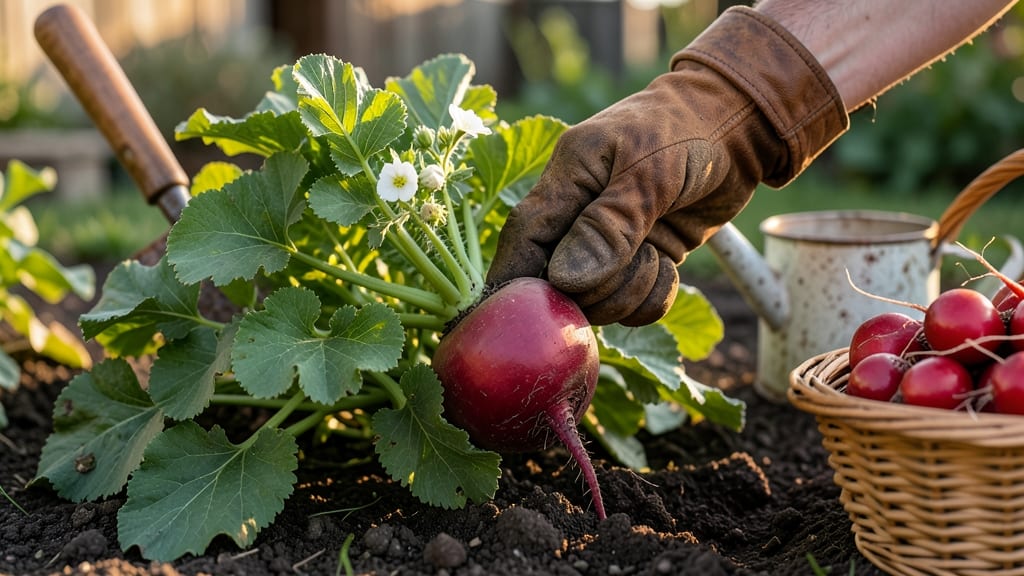
How to grow large radishes starts with one simple secret: spacing. 🌱 I’ve grown everything from tiny round radishes to 3-inch monsters by adjusting just this one factor—and it’s easier than you think. Most gardeners plant radishes too close, leading to small, pitted roots. The key is 3-4 inches apart in loose, fertile soil. Too tight? You’ll get bitter, split radishes. Too far? They’ll bolt before reaching full size. My biggest harvest came from well-aerated beds with a sprinkle of compost at planting. By harvest time, you’ll pull plump, crisp radishes that rival store-bought giants. The trick isn’t just spacing—it’s timing too. Plant in cool weather (spring or fall) and keep soil consistently moist. Overwatering causes splitting, but dry spells stunt growth. This method works for varieties like ‘Mammoth’ or ‘Black Spanish’. Even beginners can nail it with the right prep. Let’s get those giant roots growing!
📚 In This Guide
- What you need
- Instructions
- Tips and common mistakes
- Wrapping up and next steps
What you need
- ● Radish Seeds: Choose large, round varieties like French Breakfast, Black Spanish, or Daikon (1–2 oz per 100 sq ft).
- ● Well-Draining Soil: Loose, fertile loam (pH 6.0–7.0). Mix in 2–3 inches of compost or aged manure.
- ● Fertilizer: Balanced 10-10-10 or low-nitrogen (5-10-10) for sweet, fast growth.
- ● Water: Consistent moisture (1–1.5 inches per week).
- ● Sunlight: Full sun (6+ hours daily).
- ● Garden Bed or Containers: Deep pots (12+ inches) or raised beds (12–18 inches deep).
- ● Trowel or Transplanter: For sowing seeds ½ inch deep, 1–2 inches apart.
- ● Row Cover or Mulch: Protects seedlings from pests and retains warmth.
- ● Organic Mulch (Straw/Grass Clippings): Keeps soil moist and weed-free.
- ● Hand Pruners: For thinning overcrowded seedlings to 2–3 inches apart.
Step-by-Step instructions for growing giant radishes
Here's the method I've perfected for oversized radishes—no fancy tools, just the right spacing and patience.
🌱 Step 1: Prepare Soil for Maximum Growth Space
Radishes need loose, nutrient-rich soil to swell into giants. Work the first 12 inches of soil with a garden fork until it crumbles easily between your fingers. Amend with 2-3 inches of compost and a handful of 5-10-10 fertilizer per 10-foot row. The goal is soil that drains well but holds moisture—think damp sponge, not mud puddle.
Here's the thing—radishes hate compacted soil. If your garden bed feels hard when pressed, add more compost or sand to improve aeration. I always do a quick scratch test: dig a 6-inch hole, fill it with water, and wait 30 minutes. If water drains completely, your soil's ready. If it pools, you need more amendments.
🌱 Step 2: Plant Seeds at Proper Spacing for Giant Development
Most seed packets suggest crowded plantings, but that's how you get tiny radishes. For giants, space seeds 2 inches apart in rows that are 18 inches apart. Plant ¼ inch deep—any deeper and germination slows. I use a small wooden stick to make precise holes and drop 3-4 seeds per spot (you'll thin later).
Don't skip the spacing. Crowded radishes compete for nutrients and stay small. You'll see the difference immediately when you compare your giants to neighbors' tiny specimens. Water gently after planting to settle seeds without disturbing them.
💧 Step 3: Maintain Consistent Moisture Without Overwatering
Keep soil evenly moist but never soggy. Water every 2-3 days until the top 2 inches feel dry. Giant radishes need steady moisture to develop properly, but waterlogged soil causes rot. I check moisture by pushing a finger into the soil—if it's dry at your first knuckle, it's time to water.
Here's where most gardeners mess up: they either drown the plants or let them dry out completely. Both extremes produce small, pitted radishes. Mulch with 1 inch of straw after germination to lock in moisture and prevent crusting. You'll know you're doing it right when your radishes stay plump and firm, not shriveled or waterlogged.
☀️ Step 4: Provide Full Sun and Thin for Optimal Growth
Radishes need 6+ hours of direct sun daily. If your garden gets less, choose a faster-maturing variety. Thin seedlings to 1 plant every 3 inches when they're 1 inch tall. Use scissors to cut unwanted seedlings at soil level—don't pull, or you'll disturb roots.
Thinning might seem cruel, but it's what transforms your crop. You'll see the difference immediately: thinned plants have room to develop those signature giant shapes. Watch for true leaves (the second set after the initial seed leaves)—this is when you can safely thin without stunting growth.
⏰ Step 5: Harvest at Peak Size Before Bolting
Most radishes are pulled too early. Wait until they reach 2-3 inches in diameter—this is when they're sweetest and largest. Check daily after the 25-day mark (varies by variety). Pull gently but firmly, twisting to avoid damaging neighboring plants.
Here's the moment that matters: harvest before the tops start flowering. You'll know it's time when the leaves begin yellowing or the plant sends up a flower stalk. Radishes left too long become pithy and woody. Store in the fridge for up to 2 weeks or use immediately for peak flavor.
Tips & tricks for perfect giant radish growth
These game-changing insights will help you transform your radish patch from puny to prodigious—without any special equipment.
Soil Prep Secret: The 30-minute water test in Step 1 is your soil's report card. If water drains completely, you're golden—just like your radishes will be. For clay-heavy soil, mix in 1 part sand to 3 parts compost by volume to break up compaction. I've seen radishes double in size just from this simple soil upgrade. The key is creating that perfect crumbly texture that lets roots expand freely.
Spacing Hack: Mark your 18-inch rows with a garden hose laid flat—it creates perfect straight lines without measuring. For the 2-inch seed spacing, use a ruler or even a credit card (they're exactly 3 inches long—just place it sideways). This precision prevents overcrowding, which is the #1 reason radishes stay small. Trust me, your neighbors will be jealous when they see your dinner-plate-sized harvests.
Watering Wisdom: The "first knuckle" moisture check in Step 3 works because it corresponds to about 1 inch of soil depth—exactly where radish roots need consistent moisture. For container growing, use self-watering pots with a moisture meter to avoid the guesswork. Overwatering is just as bad as underwatering—both create stress that stunts growth. Aim for that "damp sponge" consistency mentioned in Step 1.
Harvest Timing: The 25-day mark is your starting point, but check daily after that. Look for the "shoulder" of the radish to swell noticeably—this is when they're at peak size. I harvest mine in the morning when they're crispest. If you see the first flower buds, you've waited too long—they'll turn woody and lose their sweetness. Use a twist-and-pull motion to avoid damaging neighboring plants.
Pro Tips for Grow Large Radishes
- These game-changing insights will help you transform your radish patch from puny to prodigious—without any special eq...
- Soil Prep Secret: The 30-minute water test in Step 1 is your soil's report card. If water drains completely, you're g...
- Spacing Hack: Mark your 18-inch rows with a garden hose laid flat—it creates perfect straight lines without measuring...
Frequently asked questions
Got questions about growing giant radishes?
You’re not alone! Here are answers to the most common queries—from timing to troubleshooting—so you can crush those harvest goals like a pro.
When is the best time to plant radishes for large harvests?
Radishes thrive in cool weather—plant them 2–4 weeks before your last frost in spring or 4–6 weeks before the first frost in fall. Avoid hot summers (temps above 75°F) or they’ll bolt (go to seed) before reaching giant size. For year-round growing, try fast-maturing varieties like 'French Breakfast' or 'Black Spanish' in containers.
Why are my radishes growing tall but staying small?
Tall, skinny radishes usually mean too much nitrogen (lush greens but tiny roots) or crowding. Space seeds 1–2 inches apart in rows 12–18 inches apart. Thin seedlings to 2–3 inches apart when they’re 1–2 inches tall. Also, check your soil—radishes need balanced nutrients (low nitrogen, high phosphorus/potassium).
How long does it take to grow giant radishes?
Most radishes mature in 20–30 days, but giant varieties like 'Mammoth French Breakfast' or 'Giant Dutch White' need 50–60 days. Start harvesting when roots reach 3–4 inches in diameter (check variety tags!). Wait too long, and they’ll get woody or spicy—set a timer or mark planting dates on your calendar!
Can I grow radishes in containers or small spaces?
Radishes are perfect for containers—use a 5–6 inch deep pot (deeper for giant varieties) with well-draining soil. Plant 2–3 seeds per container, thin to 1–2 plants, and keep them consistently moist. Try vertical growing with stackable pots or interplant with lettuce to save space. Just avoid overcrowding!
What pests or diseases should I watch for?
Radishes face few pests, but keep an eye out for flea beetles (tiny holes in leaves) and cabbage worms. Use row covers or neem oil for prevention. For diseases, avoid overwatering (which causes rot) and practice crop rotation—never plant radishes in the same spot two years in a row. If leaves yellow, it might be clubroot; pull affected plants and sterilize tools.
Pro Tip:
Want even bigger radishes? Try hill planting: After seedlings sprout, mound soil around the base (leave tops exposed) to encourage root swelling. Works like magic for varieties like 'Daikon'!
Wrapping up and next steps
Growing large radishes is all about patience, proper spacing, and soil care—but the rewards are worth it! With the right variety, loose soil, and consistent moisture, you’ll soon be harvesting gigantic, crunchy treasures that’ll impress even the pickiest eaters. 🌱✨
Ready to take your radish game to the next level? Try experimenting with heirloom varieties or share your newfound expertise with fellow gardeners. Happy growing—your future giant radishes are waiting!