
Container Gardens
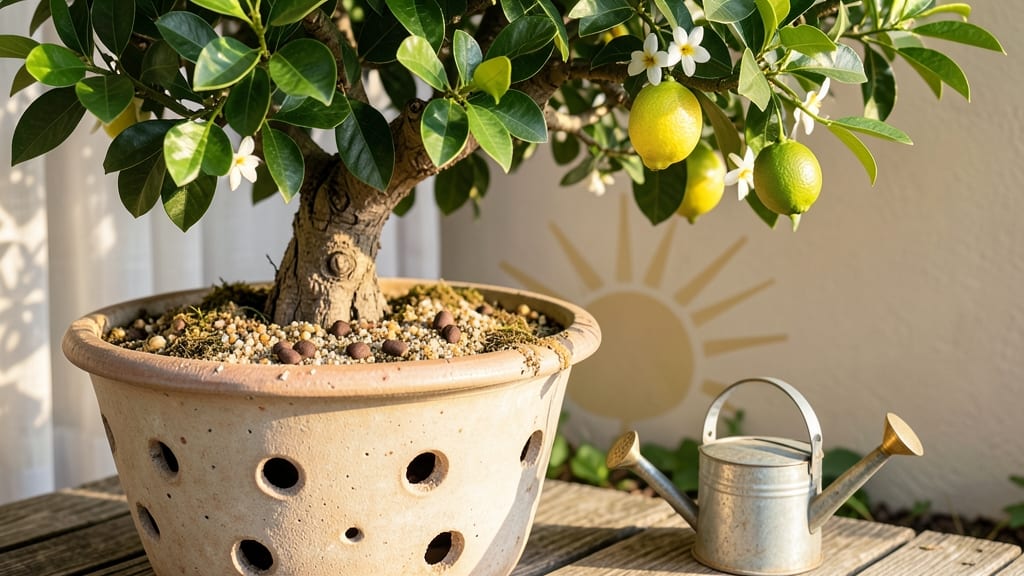
How to grow a Meyer lemon tree in a container means fresh citrus in your kitchen year-round. 🌱 I’ve watched mine go from a sad nursery sapling to a thriving 5-foot tree that produces lemons by winter—no greenhouse needed. The key is mimicking its Mediterranean roots in a pot, and it’s easier than you’d think.
Start with a 15-20 gallon pot (or larger) and well-draining soil mixed with perlite or sand. Meyer lemons crave 6+ hours of sunlight daily, so south-facing windows or grow lights work in apartments.
Water when the top inch of soil feels dry—overwatering is the #1 killer, but these trees are surprisingly drought-tolerant once established.
By summer, you’ll be harvesting lemons that smell like sunshine and taste sweeter than store-bought. The tree stays compact, making it perfect for patios, balconies, or even sunny kitchens. Prune in late winter to shape it and remove dead branches—just don’t cut into old wood, or you’ll stunt fruit production.
Winter care is the real game-changer: move pots indoors near bright light, reduce watering, and watch for spider mites. With these tweaks, my tree keeps fruiting through the cold months. Ready to grow your own sun-kissed citrus? Let’s get started!
📚 In This Guide
- What you need
- Instructions
- Tips and common mistakes
- Wrapping up and next steps
What you need
- ● Container: A 5-gallon or larger pot with drainage holes (minimum 12–18 inches in diameter for mature trees). Terracotta or ceramic works best for heat retention.
- ● Well-draining potting mix: 50% cactus/succulent mix + 30% perlite/pumice + 20% compost. Avoid garden soil—it compacts and causes root rot! 🚫💦
- ● Meyer lemon tree: A 1–3-year-old nursery-grown sapling (hardy to USDA Zones 9–11; use dwarf varieties like ‘Improved Meyer’ for containers).
- ● Drainage tray or saucer: To catch excess water and prevent messes.
- ● Citrus fertilizer: A balanced, slow-release formula (e.g., 10-10-10 or 8-3-9) or organic options like fish emulsion or seaweed kelp.
- ● Slow-release fertilizer tablets: 3–4 tablets (placed in the soil at planting) for steady nutrition.
- ● Trowel or small shovel: For planting and soil adjustments.
- ● Pruning shears: Sterilized and sharp for trimming dead growth or shaping the tree.
- ● Watering can with a rose attachment: For gentle, deep watering.
- ● pH test kit: To monitor soil acidity (ideal range: 6.0–7.0 for Meyer lemons).
- ● Spray bottle: For misting leaves if humidity drops below 50%.
- ○ Support stake or trellis (optional): If your tree grows tall, a 3–4 ft stake helps prevent toppling.
- ● Sunlight: 6–8+ hours of direct sun daily (south or west-facing spot is ideal).
- ● Temperature: Keep above 40°F (4°C) at night; avoid drafts or AC vents.
- ● Humidity: Aim for 50–70% (use a humidifier or pebble tray in dry climates).
- ● Water source: Access to chlorine-free water (rainwater or filtered tap water).
- ● Self-watering pot: Reduces maintenance if you travel often.
- ● Mulch (gravel or bark): Retains moisture and regulates soil temp.
- ● Citrus-specific pest control: Neem oil or insecticidal soap for aphids/spider mites.
- ● Grow lights: If indoors, a full-spectrum LED (12–16 hrs/day) in winter.
Step-by-step instructions for growing a Meyer lemon tree in a container
Here’s how to cultivate a thriving Meyer lemon tree indoors or on a patio—no greenhouse needed.
🪴 Step 1: Select and Prepare the Right Container
Choose a pot at least 12 inches wide and deep with drainage holes—Meyer lemons need room for roots and airflow. I use unglazed terra cotta because it breathes, but any durable container works. Add a 2-inch layer of gravel or broken pottery at the bottom to prevent soil compaction and improve drainage.
Fill the pot halfway with well-draining potting mix (avoid garden soil—it compacts and rots roots). Meyer lemons thrive in slightly acidic to neutral soil (pH 6.0–7.0). Mix in a handful of perlite or pumice to lighten the soil and keep roots oxygenated. Tap the pot gently to settle the mix without compacting it.
🌱 Step 2: Plant and Water the Seedling
Dig a hole twice as wide as the root ball but no deeper. Gently remove the seedling from its nursery pot and loosen any circling roots with your fingers. Place it in the hole so the top of the root ball sits just below the soil line—burying the stem too deep invites rot. Backfill with potting mix, pressing lightly to eliminate air pockets.
Water deeply until moisture runs freely from the drainage holes, then let it drain completely. Meyer lemons are drought-tolerant once established, but young trees need consistent moisture. Wait until the top inch of soil feels dry before watering again. Overwatering is the #1 killer—yellow leaves or mushy stems mean you’re drowning the roots.
☀️ Step 3: Position for Maximum Sunlight
Meyer lemons crave 6–8 hours of direct sunlight daily. Place your container near a south- or west-facing window or under grow lights if indoors. If leaves stretch toward the light (called "etiolation"), your tree isn’t getting enough. Rotate the pot a quarter turn weekly so growth stays even.
In winter, supplement with a full-spectrum LED grow light kept 6–12 inches above the tree for 12–14 hours daily. Without enough light, buds won’t set fruit. Watch for drooping leaves—a sign of underwatering or insufficient light. Adjust watering or move the tree closer to the light immediately.
💧 Step 4: Fertilize and Prune for Fruit Production
Feed your Meyer lemon every 4–6 weeks during spring and summer with a balanced citrus fertilizer (look for 6-6-6 or 8-3-9 NPK ratio). I use half-strength fertilizer to avoid burning roots. In fall and winter, reduce feeding to every 8–12 weeks—the tree enters dormancy and needs less nutrition.
Prune in late winter or early spring before new growth starts. Remove dead, crossing, or inward-growing branches with clean, sharp pruners. Cut just above a leaf node (the bump where leaves emerge) to encourage bushier growth. Never prune more than 25% of the tree at once—this stresses the plant and reduces fruit set.
✂️ Step 5: Harvest and Overwinter for Long-Term Health
Meyer lemons ripen year-round but peak in late winter to early spring. Harvest when fruit is yellow with a slight green tint—they won’t sweeten further off the tree. Twist gently to remove; if the stem resists, use pruners. Store unripe fruit at room temperature to finish ripening.
In winter, reduce watering to every 2–3 weeks (let soil dry completely between waterings). Keep temperatures above 50°F—cold snaps damage leaves and fruit. If your tree drops leaves, it’s not dying—it’s adjusting to lower light. Just keep it warm and well-lit, and new growth will return in spring.
Tips & tricks for growing a thriving Meyer lemon tree in containers
Between us, the secret to container-grown Meyer lemons isn't just sunlight—it's the little details that keep roots happy and fruit plentiful. Here's what I've learned after watching my first tree go from sad sapling to fruit-bearing beauty.
Container Size Matters: That 12-inch minimum isn't just a suggestion—it's non-negotiable for trees over 2 years old. I've seen Meyer lemons outgrow 12-inch pots within a year, leading to root-bound stress. Upgrade to a 15-18 inch pot every 2-3 years, and always choose one with at least 4 drainage holes. The extra space prevents that dreaded "root circling" where roots grow in tight loops around the container, strangling themselves.
Soil Science: The pH 6.0-7.0 range is your sweet spot, but don't just test—act. I mix in 10% composted citrus peel into my potting mix annually to maintain that perfect balance naturally. The peels break down slowly, releasing nutrients while keeping the soil's acidity just right. And here's a pro move: water your tree with lemonade (strained, no sugar) once a month—it's like giving your plant a citrus spa day that also helps maintain that ideal pH.
Lighting Strategy: Those 6-8 hours of sunlight? Think of them as your tree's vitamin D. In winter, when natural light drops below 12 hours, I use a simple hack: place a white reflective surface (like a foam board) behind the tree to bounce light back. This effectively doubles the light exposure without needing expensive grow lights. And if you notice leaves turning yellow between the veins, that's your cue—your tree's starving for light, not nutrients.
Winter Survival: The 50°F minimum isn't just about leaves—it's about fruit. Temperatures below this can cause fruit to drop prematurely or develop bitter flavors. I've found that moving potted trees to an unheated garage or sunroom (where temps stay above 50°F) during cold snaps preserves fruit quality. And here's what nobody tells you: wrap the pot in bubble wrap during winter. It creates an insulating barrier that helps maintain root zone temperatures, preventing that shocking temperature drop that can kill roots.
Pro Tips for Grow Meyer Lemon Tree In Container
- Between us, the secret to container-grown Meyer lemons isn't just sunlight—it's the little details that keep roots ha...
- Container Size Matters: That 12-inch minimum isn't just a suggestion—it's non-negotiable for trees over 2 years old. ...
- Soil Science: The pH 6.0-7.0 range is your sweet spot, but don't just test—act. I mix in 10% composted citrus peel in...
Frequently asked questions
Got questions about growing your own sun-kissed Meyer lemon tree in a container? You’re not alone! Here are answers to the most common curiosities—from first-time growers to seasoned citrus enthusiasts.
How big of a container do I need for a Meyer lemon tree?
A Meyer lemon tree thrives in a container at least 15–20 gallons (18–24 inches in diameter). Smaller pots (under 10 gallons) restrict root growth and limit fruit production. Choose a container with drainage holes and sturdy sides—these trees can get heavy with water and fruit! If you’re short on space, opt for dwarf varieties like ‘Improved Meyer’ or ‘Ponderosa’.
How long does it take for a Meyer lemon tree to bear fruit in a container?
With ideal care, a Meyer lemon tree grown in a container can produce fruit in 2–3 years, though some may take up to 5 years. Patience is key! Ensure your tree gets full sun (6–8 hours/day), consistent watering, and regular feeding with citrus-specific fertilizer (every 4–6 weeks in spring/summer). Cold snaps or poor drainage can delay fruiting—keep it cozy indoors during winter if temperatures dip below 40°F (4°C).
Can I grow a Meyer lemon tree indoors year-round, and how?
Meyer lemons are perfect for indoor container growing if you mimic their outdoor needs. Place your tree near a south- or west-facing window (or use grow lights 12–14 hours/day). Keep humidity high with a pebble tray or humidifier, and rotate the pot weekly for even sunlight. In winter, maintain 60–70°F (15–21°C)—avoid drafts or heat vents. Watch for spider mites (common indoors) and treat with neem oil if needed.
Are Meyer lemons from container-grown trees as sweet and juicy as those from the grocery store?
Yes—and often better!
Container-grown Meyer lemons are sweeter, thinner-skinned, and more aromatic than store-bought varieties, which are often picked green for shipping. The key is sun exposure and proper fertilization. For extra flavor, let lemons ripen fully on the tree (they’ll turn golden-yellow) and avoid harvesting when still green. Plus, you’ll know exactly what’s in your fruit—no pesticides or wax coatings!
What are the most common pests for container Meyer lemon trees, and how do I prevent them?
Watch for aphids, scale insects, and spider mites (tiny webs on leaves = red flag!). Prevent pests with:
- Neem oil spray (monthly preventive treatment).
- Inspect leaves weekly—remove pests by hand or hose them off.
- Avoid overwatering (soggy soil attracts fungus gnats).
- Encourage beneficial insects like ladybugs or lacewings.
How often should I repot my Meyer lemon tree, and what soil should I use?
Repot every 2–3 years or when roots circle the pot’s bottom. Use a well-draining citrus mix (50% potting soil, 30% perlite/pumice, 20% compost) to prevent root rot. Choose a container only 2–3 inches larger in diameter—bigger pots = slower fruiting. Spring is the best time to repot, and trim 1/3 of the roots to encourage new growth. Add a slow-release citrus fertilizer during repotting for a nutrient boost!
Wrapping up and next steps
Growing a Meyer lemon tree in a container is a rewarding journey that brings sun-kissed citrus to your doorstep—no backyard required! 🌿 With the right sunlight, soil, and care, your tree can thrive indoors or outdoors, gifting you fragrant blooms and sweet lemons year after year.
Start small, stay patient, and soon you’ll be harvesting homegrown lemons for everything from zesty drinks to homemade preserves.
Ready to take the next step? Pick your container, gather your supplies, and get planting! Whether you’re a beginner or a seasoned gardener, your Meyer lemon tree will thank you with luscious fruit and lush green leaves. Happy growing! 🍋✨