
Propagation
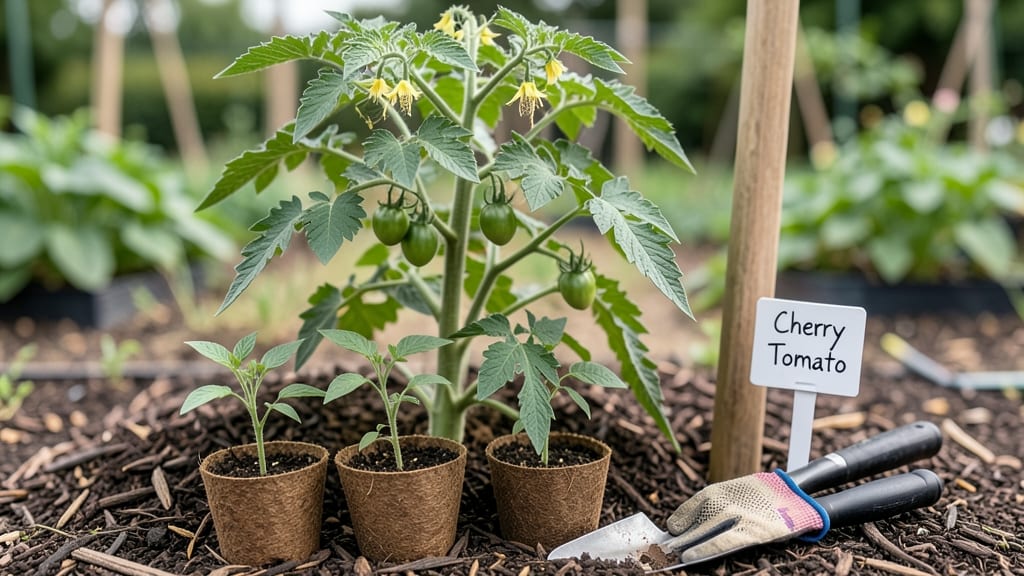
How to grow tomatoes from seed outdoors means 80 days of sun-ripened fruit straight from your garden. ✨ I learned the hard way—skipping soil prep and transplant timing nearly ruined my first batch. Now, I get pound after pound of beefsteak tomatoes by following a few key outdoor-specific steps that most guides miss.
The secret isn’t just seeds and sunshine—it’s timing your starts with frost dates, picking the right soil mix, and giving seedlings enough space to thrive. Most gardeners overlook how outdoor conditions (wind, temperature swings, and pests) differ from indoor starts.
I’ll show you how to beat these challenges before they derail your harvest.
By the time your first tomato sets fruit, you’ll be snipping ripe tomatoes in late summer—juicy, flavorful, and packed with garden-fresh goodness. The best part? You’ll save $50+ per plant compared to nursery starts, and get varieties you’ll never find in stores. Let’s get those seeds in the ground right.
Whether you’re in Zone 5 or 10, this method works—just adjust your timing. I’ll cover organic fertilizing, staking tricks, and how to handle heat waves so your plants keep producing until frost. Ready to grow tomatoes that’ll make your neighbors green with envy?
📚 In This Guide
- What you need
- Instructions
- Tips and common mistakes
- Wrapping up and next steps
What you need
- ● Growing tomatoes from seed is a rewarding journey, and having the right tools makes all the difference! Here’s what you’ll need to get started on your sunny harvest adventure:
Step-by-Step instructions for growing tomatoes from seed outdoors
Here's my battle-tested method for growing vigorous tomato plants from seed that'll produce fruit within 80 days.
🌱 Step 1: Time Your Planting for Last Frost and Soil Warmth
Start seeds indoors 6-8 weeks before your last expected frost date. I use a simple seedling heat mat to maintain 75-85°F soil temperatures—this ensures germination in 5-10 days rather than the 2-3 weeks you'd get without it. Tomatoes need warm soil to germinate, so don't rush this step.
Choose a location where daytime temps stay above 50°F and nighttime temps don't dip below 45°F. Watch for soil temperature gauges or use your finger—if the soil feels cold to the touch, wait another week. Cold soil delays germination and invites rot.
🌱 Step 2: Prepare Seedlings for Transplanting Outdoors
Two weeks before transplanting, begin hardening off seedlings by placing them outside in a sheltered spot for 1-2 hours daily. Gradually increase exposure over 7-10 days
Transplant when seedlings have 3-4 true leaves and soil temperatures are consistently above 55°F. Dig holes twice as wide as the root ball to encourage root spread. Space plants 18-24 inches apart for determinate varieties and 24-36 inches apart for indeterminate types. I always plant slightly deeper than the original pot level—this promotes stronger root development. Install cages, stakes, or trellises immediately after transplanting. Tomatoes grow fast, and waiting until they're top-heavy leads to broken stems. I use 6-foot cages for indeterminate varieties and 4-foot stakes for determinates. Secure plants gently to supports to prevent wind damage. Mulch heavily with 2-3 inches of organic material to retain moisture and suppress weeds. Water deeply 2-3 times per week, aiming for 1-1.5 inches of water per week. You'll know you're watering correctly when the top 2 inches of soil stay consistently moist but not soggy. Avoid wetting leaves to prevent fungal diseases like early blight. When plants reach 18 inches tall, begin pruning suckers—the small shoots that form in the leaf axils. Remove these aggressively to direct energy toward fruit production. I prune every 10-14 days during the growing season, always cutting just above the leaf where the sucker emerges. This keeps plants manageable and increases air circulation. Side-dress with 2-3 tablespoons of 10-10-10 fertilizer per plant when flowers appear. You'll see new leaves and blossoms within 2-3 weeks of fertilizing. For organic growers, use compost tea or fish emulsion instead. Stop fertilizing 4-6 weeks before your first expected frost to allow fruits to ripen properly. Harvest tomatoes when they reach full color and are slightly soft to the touch. For heirlooms, this means deep red or the specific color for your variety. I pick consistently to encourage more production—plants respond by setting new flowers within 7-10 days of harvesting. To extend the season, cover plants with frost blankets when nighttime temps drop below 50°F. You can keep plants producing until a hard frost (28°F) arrives. Save seeds from your best tomatoes by fermenting them in water for 3-5 days before drying on paper towels.☀️ Step 3: Provide Support and Optimal Growing Conditions
✂️ Step 4: Prune and Fertilize for Maximum Production
🍅 Step 5: Harvest and Extend the Season
Tips & tricks for perfect tomato seedlings
Growing tomatoes from seed outdoors is rewarding when you nail these key details that make all the difference between thriving plants and struggling seedlings.
Soil Temperature Secret: Those 75-85°F soil temperatures in Step 1 are non-negotiable for germination. I keep my seedling heat mat plugged in 24/7 during this phase—even a few degrees cooler can stretch germination to 2-3 weeks instead of the 5-10 days we want. If your home is chilly, consider a small greenhouse or sunny windowsill with a heat source.
Hardening Off Strategy: The 7-10 day hardening process in Step 2 is where seedlings build resilience. I start with just 1-2 hours in morning sun, then gradually add afternoon exposure. Watch for wilting—if leaves droop, they're not ready for more sun yet. This gradual approach prevents shock that can stunt growth or invite pests.
Transplanting Depth: Planting slightly deeper than the original pot level in Step 2 isn't just about roots—it's about creating a stronger stem base. The buried stem will develop additional roots, creating a more stable plant. Just make sure the seed leaves (first true leaves) stay above soil level to prevent rot.
Watering Wisdom: The 1-1.5 inches per week guideline in Step 3 is perfect, but timing matters more than quantity. Water deeply in the morning so foliage has all day to dry—this prevents fungal diseases like early blight. I use a rain gauge to track weekly totals and adjust if we get heavy rainfall.
Pro Tips for Grow Tomatoes From Seed Outdoors
- Growing tomatoes from seed outdoors is rewarding when you nail these key details that make all the difference between...
- Soil Temperature Secret: Those 75-85°F soil temperatures in Step 1 are non-negotiable for germination. I keep my seed...
- Hardening Off Strategy: The 7-10 day hardening process in Step 2 is where seedlings build resilience. I start with ju...
Frequently asked questions
Got questions about growing tomatoes from seed outdoors? You’re not alone! Here are answers to the most common queries to help you grow like a pro.
When is the best time to plant tomato seeds outdoors?
Timing depends on your climate. Start seeds indoors 6–8 weeks before the last frost, then transplant seedlings outside 2–3 weeks after the last frost when soil temps reach at least 60°F (15°C). In warmer zones (like USDA 9–10), direct-sow seeds after all frost risk has passed—usually late March to early May.
What if frost is still a risk after transplanting?
Tomatoes are frost-sensitive! If frost threatens, cover plants with frost cloth or row covers at night. For young seedlings, use a cloche (a bell jar or plastic bottle) to trap heat. Avoid plastic touching leaves—it can cause burns. If frost hits, your plants may recover if only the leaves are damaged, but severe frost can kill them.
Why are my tomato seedlings leggy or weak?
Leggy seedlings usually mean too little light. Move them to a sunny windowsill or under grow lights (14–16 hours/day). Overcrowding or cold soil can also weaken them. Once outdoors, harden off seedlings gradually (acclimate to sun/wind over 5–7 days) to prevent shock.
How do I protect my tomato plants from pests?
Prevent pests with prevention first! Use row covers for early protection against cabbage worms and hornworms. Handpick pests (like hornworms) in the morning when they’re sluggish. For aphids, spray with soapy water (1 tsp mild soap per quart of water). Encourage beneficial insects like ladybugs and lacewings by planting basil or marigolds nearby.
Can I grow tomatoes in containers, or do they need a garden bed?
Tomatoes thrive in containers if they have at least 5-gallon pots (bigger for indeterminate varieties). Use well-draining potting mix and place pots in full sun (6+ hours/day). Dwarf or bush varieties (like ‘Tiny Tim’ or ‘Patio’) work best in containers. Just ensure pots have drainage holes and stake plants for support.
Wrapping up and next steps
Growing tomatoes from seed outdoors is a rewarding journey that connects you to the earth and your food—and yes, you CAN do it! 🌱 With the right timing, soil, and care, you’ll enjoy a bountiful harvest in just 80 days.
Start small, stay patient, and soon you’ll be savoring homegrown tomatoes straight from your garden.
Ready to take the next step? Share your progress with fellow gardeners, or explore advanced tomato-growing tips to boost your yields. The garden awaits—your first seed is just the beginning! 🍅✨