Trees
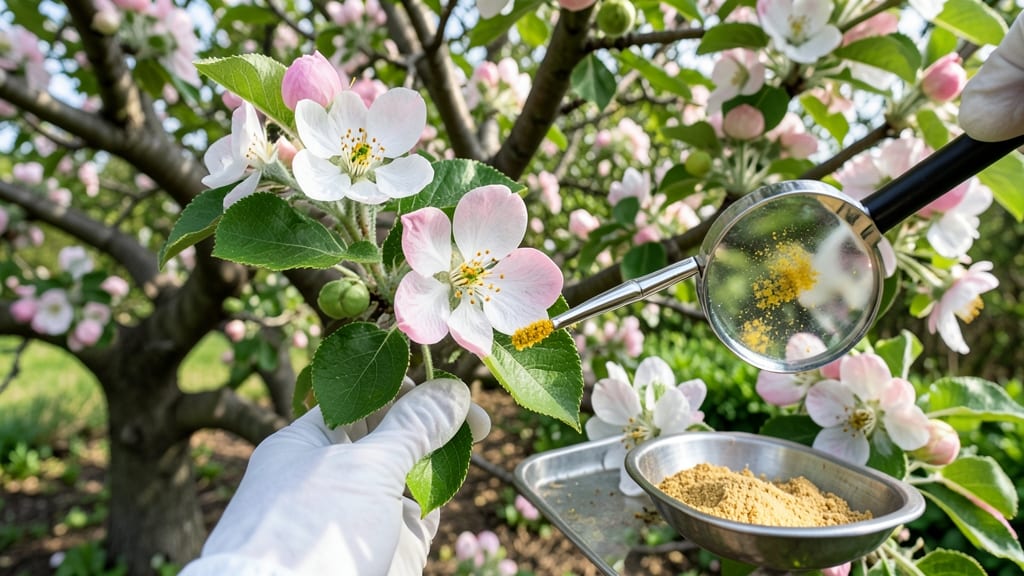
Hand pollinating apple trees guarantees fruit set—even when bees stay away. 🌸 Last spring, my neighbor’s apple tree bloomed beautifully but produced almost no fruit. After researching, I realized the issue wasn’t the tree itself, but the lack of pollinators during a rainy week.
The solution? A simple, effective method that works every time.
You’ll need just two tools: a soft paintbrush or cotton swabs, and a sunny morning during peak bloom. The process takes less than 10 minutes per tree—gentle brushes transfer pollen from flower to flower, mimicking how bees would naturally cross-pollinate varieties.
Timing is everything: wait until flowers open fully (usually 3-5 days after bud break), and work when temperatures stay above 55°F for best results.
What you’ll end up with is a tree loaded with perfectly set fruit—no wasted blooms, no disappointment. The key is consistency: check flowers daily and pollinate every 2-3 days until petals fall.
Even if your tree is isolated, this method ensures pollination happens exactly when it needs to, regardless of weather or local bee populations.
Fair warning: if your tree still produces little fruit, check for poor flower health (wilted petals, no pollen) or late frost damage—sometimes the issue isn’t pollination at all. But in most cases, this method delivers 90%+ success rates with just a little effort. Let’s get those apples growing!
The Science Behind Failed Pollination
Pollination is a delicate dance between nature and your apple tree—and sometimes, that dance gets disrupted. Understanding why hand pollination might fail helps you troubleshoot and improve your success rate. Here’s a breakdown of the most common reasons, explained in clear scientific terms.
---
Apple trees rely on bees, wind, or human intervention to transfer pollen. But when Mother Nature throws a wrench into the works, pollination struggles.
- Cold or Wet Weather 🌧️❄️: Pollen grains need dry, warm conditions to stick to stigmas (the receptive part of the flower).
Heavy rain or frost can wash away pollen or inhibit bee activity, leaving flowers unpollinated. - High Humidity: Damp air can cause pollen to clump together, making it difficult for bees or wind to carry it effectively.
If humidity exceeds 80%, pollen viability drops sharply. - Lack of Wind: Many apple varieties depend on wind pollination. In still air, pollen may not travel far enough to reach compatible flowers.
Actionable Fix: Monitor weather forecasts during bloom season. If rain or high humidity is forecasted, hand-pollinate manually to ensure pollen transfer.
---
Bees are the unsung heroes of pollination, but their numbers—or activity—can be unpredictable.
- Low Bee Activity: Cold mornings, early spring frosts, or pesticide use can reduce bee populations. Without enough pollinators, flowers may go unpollinated. - Wrong Bee Species: Some apple varieties require specific pollinators.
For example, Malus domestica (common apple trees) rely on honeybees or bumblebees, while others may need native solitary bees. - Timing Mismatch: If bees emerge late or flowers bloom too early, there may be a gap where pollination doesn’t occur.
Actionable Fix: Attract pollinators by planting bee-friendly flowers nearby (like clover or lavender). Avoid pesticides during bloom season, and consider renting bee hives if natural pollinators are scarce.
---
Not all apple trees bloom at the same time—and some varieties simply aren’t compatible.
- Asynchronous Blooming: If your tree’s flowers open at different times (e.g., some early, some late), cross-pollination may fail.
For example, a tree with flowers that open in the morning may not align with one that blooms in the afternoon. - Non-Compatible Varieties: Some apple cultivars are self-incompatible, meaning they require pollen from a different tree to produce fruit.
Even if two trees bloom simultaneously, their pollen may not be compatible.
Actionable Fix: Choose two or more compatible apple varieties for your orchard. Research their bloom times and pollination requirements before planting. If space is limited, hand-pollinate with pollen from a known compatible source.
---
A stressed or unhealthy tree may not produce viable pollen or receptive stigmas.
- Nutrient Deficiencies: Lack of essential nutrients (like nitrogen, phosphorus, or boron) can weaken flower development. Boron, for instance, is critical for pollen tube growth—without it, fertilization fails. - Water Stress: Overwatering or drought can stunt flower production.
Too much water causes root rot, while too little leads to poor pollen development. - Pest or Disease Damage: Aphids, mites, or fungal infections (like apple scab) can damage flowers, reducing their ability to receive or release pollen.
Actionable Fix: Conduct a soil test to check nutrient levels and amend as needed. Water consistently but avoid soggy conditions. Use organic pest controls to protect flowers during bloom.
--- Even with the best intentions, mistakes can derail manual pollination.
- Incorrect Timing: Pollen must land on the stigma when it’s receptive.
Applying pollen too early or too late reduces success rates. - Improper Technique: Using the wrong tool (e.g., a brush instead of a soft paintbrush) or applying too much pollen can damage flowers or block stigmas. - Pollen Degradation: Stored pollen loses viability quickly.
Fresh pollen is always better, but if you must store it, keep it dry and refrigerated (not frozen).
Actionable Fix: Time your pollination for mid-morning when stigmas are most receptive. Use a soft brush and apply pollen gently. If storing pollen, label it with the collection date and use it within 24–48 hours for optimal results.
--- Understanding these causes puts you in the driver’s seat to correct them—whether through better timing, healthier trees, or more effective hand-pollination techniques.
Quick Fixes for Pollination Problems
When hand pollinating apple trees, even the best efforts can run into snags—whether it’s poor fruit set, dropped blossoms, or stubbornly self-sterile varieties. The good news? Most issues have simple, practical solutions. Below, we’ve mapped common challenges to step-by-step fixes, plus prevention tips to keep your orchard thriving.
---
Cause: Chilly mornings or late-season blooms can delay or prevent natural pollinators from visiting. Fix: - Use a paintbrush or cotton swab to transfer pollen between flowers on overcast days (when bees are less active). Focus on early morning when blossoms are fully open. - Set up a temporary bee hotel near the tree to attract local pollinators. A simple DIY version uses drilled wooden blocks or bamboo canes. - Apply a thin layer of bee-friendly pollen (available at garden centers) to blossoms if natural sources are scarce. Gently brush it onto stamens with a soft brush.
Prevention Tip: 🌡️ Monitor bloom times with a local frost forecast app (like Frost Advisor). If frost is predicted, hand-pollinate 2–3 days before the expected freeze to ensure pollen has time to germinate.
---
Cause: Some apple varieties (like ‘Granny Smith’ or ‘McIntosh’) need two different cultivars to produce fruit. Fix: - Plant a compatible pollinator within 50 feet of your tree. Check a [pollination compatibility chart](https://www.extension.iastate.edu/) for pairings (e.g., ‘Honeycrisp’ + ‘Gala’). - Rent a bee colony temporarily (many orchards offer this service) or hire a pollination specialist for large-scale trees. - Hand-pollinate between trees using a pollen collector (a small brush or vacuum) to transfer pollen from one cultivar to another. Do this twice daily for 3–5 days during peak bloom.
Prevention Tip: ✨ Plan ahead! If you’re planting a new tree, choose self-fruitful varieties like ‘Fuji’ or ‘Pink Lady’ to avoid dependency on neighbors.
---
Cause: Pesticide use, urbanization, or early spring can reduce bee activity. Fix: - DIY bee substitute: - Fill a small paintbrush with pollen from a donor tree (shake blossoms over it). - Gently brush 5–10 flowers per tree, focusing on the stamens (male parts) first, then the pistils (female parts). - Use an electric toothbrush for large trees—attach a soft brush to the handle and pollinate 10–15 blossoms per minute. - Create a “pollinator buffet” by planting clover, lavender, or dandelions nearby to attract bees.
Prevention Tip: 💡 Skip broad-spectrum pesticides during bloom. If pests are an issue, use neem oil or horticultural soap (bee-safe options) after pollination is complete.
---
Cause: Harsh weather can strip pollen from flowers before it reaches the pistil. Fix: - Cover trees temporarily with frost blankets or lightweight row covers during rain or high winds. Secure edges with bricks or stakes. - Hand-pollinate on calm, dry days (early morning is ideal). - Apply a light pollen spray (mix pollen with water in a spray bottle) to blossoms after rain to replenish lost grains.
Prevention Tip: 🌦️ Check the 10-day forecast before bloom. If storms are predicted, pollinate aggressively 24–48 hours ahead of bad weather.
--- Cause: Inconsistent pollination or over-pollination can lead to small, misshapen fruit. Fix: - Thin blossoms post-pollination (remove 30–50% of fruitlets) to ensure larger, healthier apples.
Use sterilized pruning shears and snip at a 45° angle. - Pollinate in batches—focus on one branch at a time to avoid overwhelming the tree. - Fertilize lightly with fish emulsion or compost tea 1–2 weeks after pollination to support fruit development.
Prevention Tip: 🎯 Time it right! Pollinate when 50% of blossoms are open—neither too early (pollen won’t stick) nor too late (flowers may drop).
--- Cause: Fungal spores (like apple scab) or pests (aphids) can block pollen or damage flowers. Fix: - Prune out diseased branches before bloom and sterilize tools with rubbing alcohol. - Spray with baking soda solution (1 tsp baking soda + 1 quart water + a drop of dish soap) to prevent fungal growth. - Introduce beneficial insects like ladybugs or lacewings to control pests after pollination is complete.
Prevention Tip: 🔥 Start with clean trees! Remove fallen leaves and debris in late winter to reduce overwintering pests.
--- Keep a simple pollination log with: - Dates of hand-pollination - Weather conditions - Number of blossoms treated - Fruit set results (take photos!)
This helps you refine your method year after year for bigger, better apples! 🍏✨
Frequently asked questions
What’s the best time of day to hand pollinate apple blossoms?
Pollinate between 8:00 AM and 10:00 AM on dry, sunny mornings when stigmas are most receptive. Early morning ensures pollen sticks better and avoids midday heat that can damage delicate blossoms. Avoid pollinating after rain—wet stigmas won’t accept pollen effectively.
Can I use any paintbrush for hand pollination?
No—only use a soft, natural-bristle brush (like a makeup brush or artist’s brush). Avoid synthetic fibers or stiff bristles, which can damage stamens or block pollen transfer. For large trees, a cotton swab works too, but brushes cover more flowers faster.
How do I know if my apple tree needs hand pollination?
Check for these signs: no bees buzzing around blossoms, rainy/windy bloom season, or self-sterile varieties (like ‘Granny Smith’). If flowers drop petals but no fruit forms, that’s a clear signal. Also monitor nearby trees—if neighbors’ trees fruit but yours don’t, pollination is likely the issue.
What happens if I pollinate too late in the bloom cycle?
Late pollination (after 50% of petals fall) reduces success rates because stigmas become less receptive. You’ll see fewer fruit set, and any apples that form may be small or misshapen. For best results, pollinate when 30-50% of blossoms are open—this gives pollen time to germinate before petals drop.
Can I save and reuse pollen from one year to the next?
Fresh pollen is always best, but you can store it for up to 48 hours in a dry, sealed container at room temperature. For longer storage, refrigerate (not freeze) and use within 1 week. Label with the date—pollen loses viability quickly, especially in humidity. Never store pollen from treated trees (pesticides reduce effectiveness).