
Picking
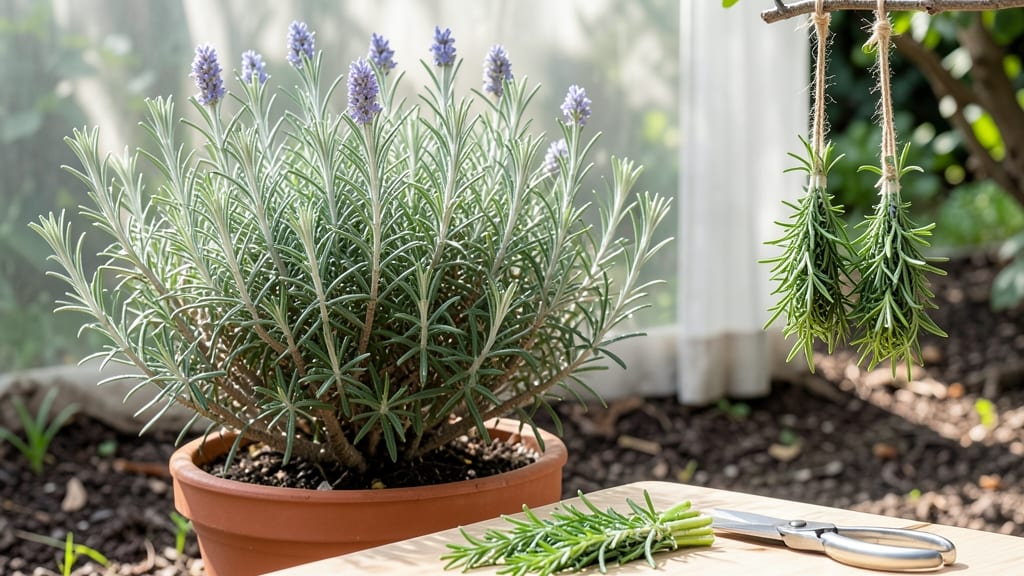
Late spring’s rosemary harvest smells like sunshine and Mediterranean summers. ✨ The key to preserving that bold, piney flavor lies in timing—harvest stems before flowering for maximum potency, then dry them properly to lock in that fresh aroma for months.
Start with healthy, woody stems (about pencil-thick) and snip just above a leaf joint. Avoid frost-damaged plants in fall, and never harvest after the first hard freeze—those stems turn bitter.
For drying, bundle stems upside-down in a paper bag or hang them in a dark, well-ventilated spot for 2-3 weeks. Once fully dried, strip the leaves and store in airtight containers. The flavor stays vibrant for 6-12 months if kept in a cool, dark place.
Crumble dried rosemary into dishes or steep whole sprigs in oil for homemade seasoning blends that taste like summer all year.
Oven-drying speeds up the process—set your oven to 200°F and dry for 30-45 minutes until crisp. Microwave methods work too (2-3 minutes on low), but they can dull the flavor if overdone. Test dryness by crushing a leaf—it should crumble easily, not feel damp.
Seasonal variations matter: harvest more frequently in spring and summer when growth is vigorous, but taper off in late fall. Never harvest more than one-third of the plant at once, or you’ll stunt its growth. For container-grown rosemary, prune lightly after drying to encourage bushier regrowth.
Common mistakes? Overcrowding stems during drying (leads to mold) or storing dried rosemary in plastic (traps moisture). Keep humidity low—40-50% is ideal—and avoid direct sunlight, which fades color and flavor. The payoff? Year-round access to that fresh, fragrant herb that tastes like a vacation in your kitchen.
📚 In This Guide
- What you need
- Instructions
- Tips and common mistakes
- Wrapping up and next steps
What you need
- ● Fresh rosemary plants: Healthy, mature plants (preferably 1–2 years old) with woody stems and fragrant leaves. Aim for 3–5 sprigs per batch for optimal drying.
- ● Pruning shears or sharp scissors: Clean, sharp tools to avoid crushing stems (sterilize with rubbing alcohol if reusing).
- ● Paper towels or clean kitchen towels: For gently patting stems dry post-harvest.
- ● Drying method of choice: Air-drying: Brown paper bags, mesh bags, or a well-ventilated, dark space (e.g., pantry or closet with 60–70°F temperatures).
- ● Oven-drying: Baking sheet lined with parchment paper and a low-temp oven (170–200°F).
- ● Dehydrator: A food dehydrator with adjustable temperature settings (set to 95–115°F).
- ● Storage containers: Airtight jars, containers, or bags (glass jars with tight-sealing lids are ideal for long-term storage).
- ● Twine or rubber bands: To bundle stems for hanging during air-drying.
- ● Labeling tags: For marking jars with the harvest date (helps track freshness!).
- ● Food-grade essential oils (e.g., rosemary oil): A few drops can enhance flavor when storing dried rosemary.
- ● Desiccant packets: For absorbing moisture in storage containers (especially useful in humid climates).
Tips & tricks for perfect rosemary preservation
Preserving rosemary's signature aroma is all about timing and technique—here's how to avoid common pitfalls and maximize flavor retention.
Harvesting Timing: The morning after dew dries is ideal for harvesting because rosemary's essential oils reach peak concentration. If you must harvest later in the day, wait until at least 2 hours after sunrise to allow dew to fully evaporate. I've found that stems harvested at this time retain their vibrant green color and full piney aroma during drying.
Bundling Technique: When creating bundles of 4-6 stems, leave about 2 inches of stem exposed at the bottom. This exposed section helps prevent mold by allowing better airflow to the base where moisture might accumulate. Also, use kitchen twine or rubber bands instead of wire—they're gentler on the stems and won't damage the delicate leaves during drying.
Drying Environment: The ideal drying temperature of 70-80°F is crucial—any hotter and you risk losing volatile oils, any cooler and you risk mold development. If your kitchen consistently exceeds 80°F, consider using a dehumidifier or moving the drying location to a basement or garage with open windows for better airflow. I've successfully dried rosemary in temperatures as low as 65°F by placing a small fan nearby to maintain gentle air circulation.
Storage Wisdom: Once dried, store rosemary in opaque containers to block light, which degrades the essential oils. For maximum flavor retention, crush the leaves lightly with a rolling pin before storing—this releases the aromatic compounds trapped within the leaf structure. I like to add a small piece of dried citrus peel to my rosemary storage jars, as the citrus oils complement rosemary's piney notes and help preserve freshness for the full 6 months.
Pro Tips for Harvest And Dry Rosemary
- Preserving rosemary's signature aroma is all about timing and technique—here's how to avoid common pitfalls and maxim...
- Harvesting Timing: The morning after dew dries is ideal for harvesting because rosemary's essential oils reach peak c...
- Bundling Technique: When creating bundles of 4-6 stems, leave about 2 inches of stem exposed at the bottom. This expo...
Frequently asked questions
When is the best time to harvest rosemary for drying?
The ideal time to harvest rosemary for drying is before the plant flowers—typically in late spring or early summer. This ensures the highest concentration of essential oils and flavor. Avoid harvesting after heavy rain, as moisture can make drying harder. For year-round harvests, trim lightly in late summer or fall, but expect slightly less potent flavor.
How long does it take to dry rosemary?
Rosemary typically takes 2–4 weeks to dry completely, depending on your method. Bundle drying (hanging upside down) usually takes the longest, while using a dehydrator (at 95°F/35°C) speeds it up to 2–4 hours. Check for readiness by rubbing a sprig between your fingers—it should crumble easily with no moisture. Patience is key!
Can I dry rosemary in the microwave? Is it safe?
Yes, but with caution! Microwaving is the fastest method (2–3 minutes on low power), but it can burn the rosemary if overdone. Place sprigs on a paper towel in a single layer, cover loosely with another towel, and microwave in 30-second bursts. Let it cool completely before storing. This method works best for small batches or emergencies.
What if my rosemary turns moldy or smells bad while drying?
Mold or a funky smell usually means excess moisture or poor airflow. If this happens, discard the batch immediately—moldy herbs can spoil other dried goods. To prevent this, ensure your drying area is well-ventilated, avoid humidity, and check regularly for dampness. If using a dehydrator, clean it thoroughly between batches.
How should I store dried rosemary to keep it fresh?
Store dried rosemary in an airtight container (like a glass jar) in a cool, dark place (like a pantry or cupboard). Avoid the fridge—it can absorb odors and lose flavor faster. Label your container with the date; properly stored rosemary stays flavorful for 6–12 months. For longer shelf life, crush the sprigs lightly before storing to release oils.
Can I use dried rosemary instead of fresh in recipes?
While fresh rosemary has a brighter flavor, dried works well in cooked dishes (like stews, roasts, or soups). Use 1 teaspoon dried = 1 tablespoon fresh as a general rule. For delicate dishes (e.g., salads or garnishes), fresh is best. Dried rosemary loses some aroma over time, so add it early in cooking to revive its flavor.
Wrapping up and next steps
Harvesting and drying rosemary is a rewarding way to savor its aromatic, earthy goodness all year long! Whether you’re a seasoned gardener or just starting out, these simple steps ensure your rosemary stays fresh, fragrant, and ready to elevate your dishes.
Now that you’re equipped with the know-how, why not treat yourself to a batch of homemade rosemary-infused olive oil or a cozy herbal tea? 🌿✨
Ready to dive deeper? Experiment with recipes—think roasted meats, homemade bread, or even homemade beauty treatments—using your freshly dried rosemary. Happy harvesting!