
Blooming
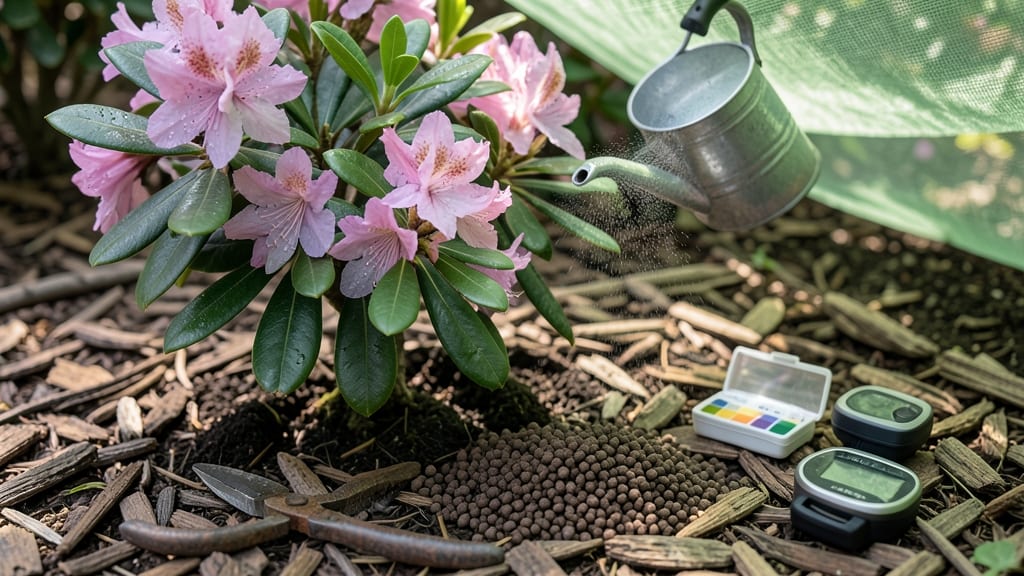
How to keep azaleas blooming all year is all about timing—prune and feed them right, and you’ll transform sparse bushes into vibrant, repeat-blooming powerhouses. 🌸 I’ve watched my own bushes go from sparse blooms to dramatic, repeat blooming by fixing just two things: when (and how) I prune, and what’s in their soil. The difference is night-and-day.
Most gardeners prune at the wrong time or too aggressively, which stunts blooms. The secret is light shaping in late spring, right after flowers fade, plus acid-loving soil with a slow-release fertilizer.
Overwatering or compacted soil kills roots quietly—both lead to fewer flowers. I’ll show you how to spot the signs.
By summer’s end, you’ll have fuller bushes with longer bloom seasons—some varieties even flower twice! The key is matching care to their natural rhythm: prune after blooms, feed in early spring, and protect roots in winter. No fancy tools or chemicals needed.
This works for both container azaleas and in-ground shrubs. The same principles apply whether you’re dealing with rhododendrons or kurume azaleas. Let’s get those buds popping back year after year.
📚 In This Guide
- What you need
- Instructions
- Tips and common mistakes
- Wrapping up and next steps
What you need
- ● Azalea plants – Healthy, mature shrubs (preferably Rhododendron or Kurume varieties for best results).
- ● Well-draining acidic soil – Aim for a pH between 4.5 and 6.0 (test kits help!).
- ● Organic mulch – Pine bark, wood chips, or compost (2–4 inches thick).
- ● Slow-release fertilizer – Acid-loving plant formula (e.g., 10-10-10 or 8-3-9).
- ● Watering can or hose – With a gentle spray nozzle for hydration.
- ● Pruning shears – Sharp, clean bypass pruners (sterilize with rubbing alcohol).
- ● Gloves – Heavy-duty for protection (azaleas can be thorny!).
- ● Soil pH test kit – Digital or liquid test for accuracy.
- ● Rake or cultivator – For aerating soil and removing debris.
- ● Spade or trowel – For amending soil or transplanting (if needed).
- ● Azalea-specific fertilizer – Like Miracle-Gro Azalea, Camellia & Rhododendron Food.
- ● Epsom salt – For magnesium boosts (1 tbsp per gallon of water, monthly).
- ● Mulch rings or landscape fabric – To retain moisture and suppress weeds.
- ● Drip irrigation system – For consistent moisture (especially in dry climates).
Tips & tricks for year-round azalea bloom success
Here's what nobody tells you about keeping azaleas vibrant—these are the details that separate healthy plants from struggling ones.
Pruning Precision: When you prune in Step 1, focus on creating an open center that allows air circulation. This isn't just about removing dead branches—it's about shaping the plant to maximize sunlight penetration to inner buds. I've seen azaleas with dense centers that never bloom properly because the middle stayed too dark. Use your shears to thin out crowded areas rather than just trimming outer growth. The goal is to create a vase-like shape that lets light reach all the way to the center stems where next year's flower buds form.
Soil Science: The pH 4.5-6.0 range mentioned in Step 2 is non-negotiable for azaleas. If your soil test reveals higher pH, don't just add sulfur all at once—this can burn roots. Spread it out over three applications, spacing them about two weeks apart. I've learned this the hard way after seeing azaleas suddenly develop yellow leaves and poor blooms from over-acidification. Also, consider adding a thin layer of composted pine bark to your planting hole when you first install azaleas—this creates an ideal acidic environment right from the start.
Watering Wisdom: That weekly watering guideline in Step 3 works perfectly in most climates, but here's the secret: the real test is soil moisture at 12 inches down. Use a soil probe or long screwdriver to check—if it comes out dry, water again. I've noticed azaleas in containers dry out faster than in-ground plants, so I water container-grown azaleas every 4-5 days during summer heat. The key is maintaining consistent moisture without creating soggy conditions that invite root rot.
Fertilizer Timing: The three-dose feeding schedule in Step 4 is perfect, but here's what I've found works even better: split that mid-summer feeding into two lighter applications—one in early July and another in early August. This prevents a sudden nutrient spike that can burn roots and encourages more gradual, healthier bloom development. I also mix in a handful of worm castings with each fertilizer application for added microbial benefits that improve root health.
Pro Tips for Keep Azaleas Blooming
- Here's what nobody tells you about keeping azaleas vibrant—these are the details that separate healthy plants from st...
- Pruning Precision: When you prune in Step 1, focus on creating an open center that allows air circulation. This isn't...
- Soil Science: The pH 4.5-6.0 range mentioned in Step 2 is non-negotiable for azaleas. If your soil test reveals highe...
Frequently asked questions
Why do my azaleas stop blooming after the first year?
Azaleas often bloom heavily their first year, then taper off because they’re still establishing roots. Solution: Focus on consistent watering (1–1.5 inches/week) and balanced fertilizer (like 10-10-10) in early spring and fall. Over-fertilizing with nitrogen can reduce blooms—stick to phosphorus-heavy feeds instead!
When is the best time to prune azaleas for more blooms?
Prune right after flowering (late spring) to avoid cutting off next year’s buds. Pro tip: Remove dead, crossing, or overcrowded branches first, then shape lightly. Never prune in fall—it triggers early bud formation that may freeze in winter.
Can I use mulch to help my azaleas bloom better?
Mulch (2–3 inches of pine bark or wood chips) retains moisture, regulates soil temp, and keeps roots cool—critical for azaleas. Warning: Avoid fresh mulch touching the trunk (can cause rot). Reapply annually in early spring for best results.
What if my azaleas get too hot or dry? Will they still bloom?
Azaleas thrive in partial shade (4–6 hours of sun/day). In hot climates, morning sun + afternoon shade prevents stress. If leaves yellow or wilt, water deeply 2–3x/week and consider a light shade cloth during peak heat. Drought stress = fewer blooms!
Can I move azaleas to a sunnier spot for more blooms?
Move azaleas only in early spring or fall to avoid transplant shock. If relocating, prune 1/3 of the plant and water daily for 2 weeks. Warning: Sudden sun exposure can scorch leaves—acclimate gradually over 2–3 weeks. Patience pays off for healthier blooms!
Wrapping up and next steps
Keeping your azaleas blooming year after year is all about consistent care—whether it’s pruning at the right time, feeding them with acidic soil, or protecting them from pests and harsh weather. 🌸 With these simple yet effective steps, you’ll enjoy vibrant blooms that steal the show in every season.
Ready to transform your garden into a colorful paradise?
Start by planning your next pruning session—mark your calendar and gather your tools. Then, take a deep dive into soil testing or organic fertilizer options to give your azaleas the nutrients they crave. Every little effort makes a difference, so roll up your sleeves and get growing!