
Pests
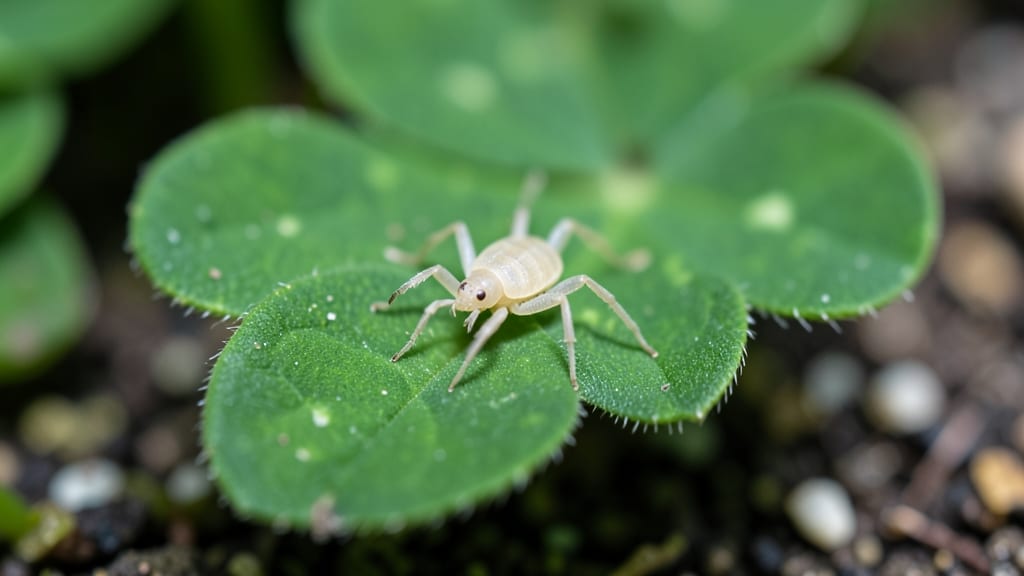
How to keep clover mites away from turning your lawn into a moving carpet—those tiny red invaders are more than just annoying. They multiply fast and leave behind a sticky mess that ruins outdoor furniture and plants. I've battled them for years, and the diatomaceous earth shield method finally gave me lasting relief without harsh chemicals.
The problem starts when these microscopic pests hitch rides on pets, lawn equipment, or even your shoes. They thrive in dry, sunny conditions, especially on clover and other ground covers.
Most people reach for pesticides first, but that disrupts your yard's ecosystem and doesn't solve the root issue—exposure. The real fix? Creating a barrier that suffocates them naturally.
With diatomaceous earth, you'll see results within 24-48 hours—mites dry out and die on contact. The powder stays effective for weeks as long as you keep it dry, and it's safe for kids and pets once settled.
You'll also learn how to combine this with simple yard habits that make your space less inviting to them in the first place.
This approach works for lawns, patios, and garden edges—anywhere these pests gather. The best part? You won't need to repeat treatments every few days like with sprays. Let's get that yard back to peaceful.
The Hidden Triggers Inviting Clover Mites
Clover mites may seem like tiny, harmless nuisances, but their sudden appearance is rarely accidental. These pests don’t just wander into your home by chance—they’re drawn by specific environmental cues and behaviors.
Understanding why they show up is the first step to stopping them in their tracks. Let’s break down the science behind their invasion.
Clover mites thrive in dense, unkempt lawns and gardens teeming with clover (their namesake food source). Here’s why:
- Food Availability: Clover mites feed on the sap of clover plants, which are rich in nutrients. When clover spreads unchecked—especially in spring and fall—it creates a buffet for these pests. Pro tip: A lawn with 10% or more clover cover can turn into a clover mite breeding ground.
- Moisture Retention: Thick clover patches hold moisture longer, creating ideal conditions for mites to multiply. Overwatering or poor drainage exacerbates the problem by keeping the soil damp, which mites love.
- Lack of Predators: Healthy lawns with diverse plant life attract natural predators (like birds and beneficial insects). Monoculture clover lawns offer no defense, leaving mites unchecked.
Actionable Insight: Regular mowing, clover removal, and aeration disrupt their habitat. But be cautious—aggressive herbicide use can also harm beneficial insects that keep mite populations in balance.
Clover mites are cold-blooded and highly sensitive to temperature changes. Their life cycle is tightly linked to seasonal swings:
- Early Spring Warmth: As temperatures rise above 50°F (10°C), dormant mites in the soil or leaf litter become active. They emerge to feed on clover before migrating indoors.
- Fall Cool-Down: When nights dip below 65°F (18°C) but days stay warm, mites seek shelter in homes, garages, or sheds to escape the chill.
- Sudden Heat Waves: Extreme heat (above 85°F/29°C) can force mites to seek cooler, shaded spots—often your foundation or window sills.
Actionable Insight: Monitor local weather forecasts. If temperatures fluctuate between 50–70°F (10–21°C), it’s prime time for migrations. Seal entry points and use diatomaceous earth (DE) as a preventive barrier.
Clover mites don’t just invade—they’re lured by features of your home. Here’s what makes your property a magnet:
| Attraction Factor | Why It Works | How to Fix It |
|---|---|---|
| Light-Colored Walls | Mites are phototactic—they move toward light. Pale siding or paint reflects sunlight, creating a "beacon" effect. | Use dark-colored mulch near the foundation or install outdoor lighting that emits yellow or red wavelengths (mites avoid these). |
| Poorly Sealed Entry Points | Gaps around windows, doors, and utility lines provide easy access. Mites squeeze through spaces as small as 1/16 inch (1.5 mm). | Apply weatherstripping and caulk around seals. Install fine-mesh screens on vents and crawl spaces. |
| Damp or Dark Areas | Mites seek humidity (60–80% ideal) and shade. Basements, garages, and under decks are prime real estate. | Use dehumidifiers and ventilation fans. Store firewood and mulch at least 20 feet away from your home. |
Actionable Insight: Conduct a “mite audit” of your home’s exterior. Walk the perimeter at dusk (when mites are most active) and note gaps, moisture spots, or light reflections that could be inviting them in.
Sometimes, the problem isn’t your lawn or home—it’s what’s happening around it. Human and animal activity can inadvertently create clover mite hotspots:
- Landscaping Practices: Heavy use of mulch, ground covers, or decorative rocks near the foundation traps moisture and provides hiding spots. Example: Cedar mulch retains moisture longer than pine, making it a mite favorite.
- Pet Habits: Dogs and cats that dig or roll in clover-covered areas can track mites onto furniture, beds, or carpets. Their fur also traps mites, which then hitchhike indoors.
- Neighborhood Spraying: If neighbors use pesticides to kill clover mites, the mites may flee to your property en masse, overwhelming your defenses.
- Wildlife Corridors: Squirrels, rabbits, and birds spread mites by moving between clover patches and structures. Fun fact: A single rabbit can carry thousands of mites in its fur.
Actionable Insight: Communicate with neighbors about coordinated pest control. For pets, wash bedding weekly in hot water (130°F/54°C+) and vacuum frequently. Consider pet-safe diatomaceous earth on high-risk areas like door mats.
Beat Back Clover Mites Now
Clover mites are persistent pests, but with the right strategies, you can reclaim your yard and home. Below are practical, step-by-step solutions tailored to the root causes of infestations—from outdoor prevention to indoor defense.
Each fix is designed to be easy, effective, and long-lasting, so you can stop these tiny invaders in their tracks.
---
Clover mites thrive in lush, unmanaged landscapes. The key? Remove their food source and disrupt their entry points.
#### 🔥 Trim and Tame Your Lawn Clover mites feed on clover, alfalfa, and other ground covers.
If your yard is their buffet, they’ll keep coming back. - Mow regularly (keep grass at 3–4 inches tall) to reduce hiding spots. - Remove clover patches by hand or with a weed killer (like vinegar-based spray for organic control). - Replace clover with grass seed or drought-resistant plants like fescue or ryegrass—mites avoid these.
> 💡 Pro Tip: If you love clover for pollinators, plant it in a contained bed (not near your house) and use mulch barriers to limit spread.
#### 🛡️ Seal Entry Points with Diatomaceous Earth (DE) Clover mites sneak indoors through gaps in windows, doors, and foundations.
A food-grade DE barrier is your best defense. - Apply DE in a 1-inch band around: - Window and door frames - Foundation cracks - Utility lines entering the home - Under outdoor furniture or decks - Reapply after rain (DE loses effectiveness when wet). - Use a duster or puff bottle for precision—avoid overapplying indoors (it’s harmless but messy).
> ✨ Bonus: Mix DE with a light spray of water to help it stick better to surfaces.
#### 🌡️ Adjust Your Irrigation Overwatered lawns create ideal mite habitats.
Cut back on moisture to make your yard less inviting. - Water deeply but infrequently (1–1.5 inches per week). - Avoid evening watering—mites are most active at dawn/dusk. - Use soaker hoses instead of sprinklers to reduce surface moisture.
---
Once clover mites invade, act fast—they multiply quickly and stain walls. Here’s how to flush them out and keep them out.
#### 🧹 Vacuum Daily (Yes, Really) Clover mites leave behind reddish stains and shed skins.
A HEPA vacuum is your first line of defense. - Vacuum baseboards, windowsills, and furniture legs where mites gather. - Empty the vacuum outside immediately to prevent reinfestation. - Wipe down surfaces with a damp microfiber cloth to remove eggs and debris.
> 🔥 Hot Tip: Place sticky traps (like window traps) near entry points to monitor activity.
#### 🚫 Block Windows and Doors Clover mites love sunlight and will crawl indoors through the smallest gaps. - Install fine mesh screens on windows and vents. - Use weather stripping around doors to seal cracks. - Keep doors closed when possible—even a 1/8-inch gap is enough for them to sneak in.
#### 🧴 Natural Repellents for Indoors If you prefer chemical-free solutions, these homemade sprays can help deter mites: - Neem oil spray (1 tbsp neem oil + 1 tsp dish soap + 1 quart water) – Spray along baseboards and window frames. - Essential oil mix (5 drops peppermint or tea tree oil + 1 cup water in a spray bottle) – Mites hate these scents! - Diatomaceous earth indoors (lightly dust in hidden corners—avoid high-traffic areas).
> 🎯 Prevention Pro Tip: Spray repellents outdoors on plants near your home to create a protective barrier.
---
The best way to keep clover mites away for good? Break their life cycle with these permanent fixes.
| Problem | Solution | Maintenance | |---------------------------|------------------------------------------------------------------------------|------------------------------------------| | Clover in the yard | Replace with mite-resistant grass or mulch heavily. | Reapply mulch seasonally. | | Moisture-rich soil | Improve drainage; use gravel or sand in problem areas. | Check after heavy rains. | | Gaps in siding/foundation | Seal with caulk or concrete patch to block entry. | Inspect annually for new cracks. | | Overgrown bushes | Trim plants 6+ inches away from the house. | Prune 2–3 times per year. |
--- If you’re already seeing red stains on walls or floors, take aggressive action: 1. Isolate the area – Close off rooms with mites until treatment is done. 2. Freeze infested items (like rugs or curtains) for 48 hours to kill mites and eggs.
3. Wash fabrics in hot water (130°F+) or dry clean. 4. Apply DE indoors (lightly!) in hidden corners, behind furniture, and along baseboards. 5. Repeat treatments every 3–5 days until the problem clears.
> 💡 Remember: Clover mites won’t burrow into wood or deep carpets—they’re surface dwellers. Persistence is key!
--- By combining outdoor exclusion, indoor traps, and smart landscaping, you can eliminate clover mites for good. Start with the quick fixes (DE barriers, vacuuming, sealing gaps), then move to long-term prevention (lawn care, repellents).
Soon, your home will be mite-free and comfortable—no more red stains or itchy bites!
Frequently asked questions
Why do clover mites suddenly appear in my yard?
They're triggered by warm spring temperatures (above 50°F/10°C) and thrive in clover patches. These pests multiply rapidly when conditions are ideal—think dense ground covers, moisture retention, and lack of natural predators. Their sudden appearance often coincides with seasonal temperature shifts or recent landscaping changes.
Can diatomaceous earth harm my pets or plants?
Food-grade diatomaceous earth is safe for pets and plants once settled, but avoid direct contact with their skin or eyes. For pets, apply it to areas they can't reach (like under outdoor furniture) and reapply after rain. Plants may show temporary stress from dryness, but it won't harm them permanently.
How often should I reapply diatomaceous earth?
Reapply every 1-2 weeks or after rain, as moisture reduces its effectiveness. For maximum protection, create a 1-inch barrier around entry points and high-risk areas. The powder needs to stay dry to work—think of it as a microscopic sandcastle that suffocates mites on contact.
Will clover mites go away on their own?
Unlikely! Without intervention, they'll keep multiplying and migrating indoors. These pests thrive in ideal conditions and have short life cycles (about 30 days). The longer you wait, the harder they become to control. Early action with barriers and habitat changes is your best defense.
What's the best time of day to treat for clover mites?
Apply treatments in the early morning when mites are most active and before they seek shade. This gives the diatomaceous earth maximum exposure time. Avoid treating during peak heat (after 10 AM) when mites retreat to cooler areas.