
Companion Plants
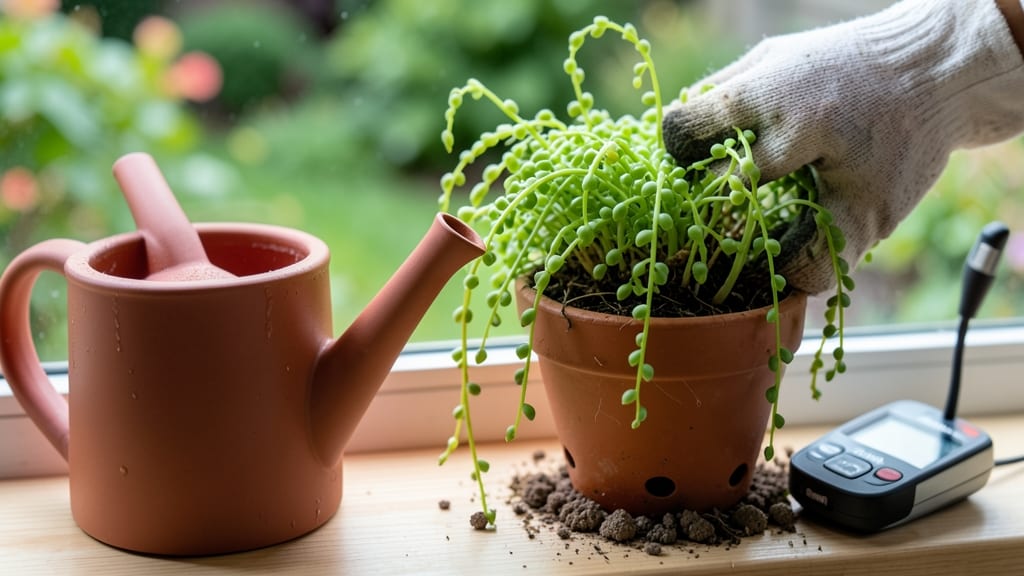
How to keep hanging plants alive feels like solving a puzzle—except the stakes are higher when they’re dangling above your head. 🌿 The biggest mistake? Assuming they thrive on neglect. My string of pearls used to look like a sad, crispy curtain until I fixed four key things: light, water, airflow, and the right pot. Most hanging plants need bright, indirect light—think east-facing windows or a few feet from a south window. Overwatering is the silent killer: let the top inch of soil dry out between waterings, and use pots with drainage holes. I swapped my decorative cachepots for functional ones, and the difference was instant. You’ll spot trouble early: brown tips mean dry air or overwatering, while yellow leaves signal poor drainage. A quick misting or adjusting your watering schedule fixes most issues. Prune leggy growth to encourage bushier trails, and rotate plants monthly for even light exposure. This works for ferns, ivies, pothos, or even trailing succulents—just match the plant to its light needs. Once you nail these basics, your hanging garden will stay lush for years.
📚 In This Guide
- What you need
- Instructions
- Tips and common mistakes
- Wrapping up and next steps
What you need
- ● Hanging planters: 1-3 (depending on plant count), with drainage holes. Size tip: Choose planters 1-2 inches larger in diameter than the plant’s root ball for stability.
- ● Well-draining potting mix: 1-2 bags (1-2 cubic feet per planter). Look for a blend labeled for hanging baskets or succulents/sedums (if light-loving).
- ● Slow-release fertilizer: 1 packet (12-14-12 NPK ratio recommended for balanced growth). Pro tip: Mix granules into the soil at planting for a 3-month boost!
- ● Watering can or spray bottle: 1 (with a rose nozzle for gentle watering). Avoid overhead watering to prevent soil erosion.
- ● Scissors or pruners: 1 pair (sterilized with rubbing alcohol). Why? For trimming dead leaves or leggy growth.
- ○ Support stakes or clips: 1-2 (optional but helpful for top-heavy plants like String of Pearls or Burro’s Tail).
- ● Grow lights: 1 LED full-spectrum bulb (10,000-12,000K for intense light). Use if: Your plants get <4 hours of direct sun daily.
- ● Reflective surface: 1 (white tray or aluminum foil under planters). Boosts light by 30%!
- ● Heat-resistant planters: 1-2 (if using grow lights). Opt for ceramic or terracotta to prevent overheating.
- ● Know your plant’s light needs: Confirm if it’s full sun (6+ hours), partial sun (3-6 hours), or bright indirect light. Example: String of Hearts thrives in bright indirect light.
- ● Check humidity levels: Light-loving plants often prefer drier conditions (30-50% humidity). Use a hygrometer if unsure.
- ● Dedicate a spot: Choose a location with consistent light (e.g., near a south-facing window or under grow lights). Avoid: Drafty areas or AC vents.
Step-by-Step instructions for reviving and maintaining hanging plants
Here's how I nurse struggling hanging plants back to life—no matter how crispy they looked.
💧 Step 1: Check and Adjust Watering Immediately
Before doing anything else, stick your finger 1-2 inches into the soil. If it feels bone-dry, water deeply until it runs out the drainage holes. Most hanging plants (like pothos or string of pearls) prefer the soil to dry out slightly between waterings, but they hate soggy roots just as much.
If the soil is still damp but the plant looks wilted, it might be root-bound or suffering from overwatering. Gently tap the pot to see if roots are circling the bottom—this is a common issue with hanging plants that need repotting. Water only when the top inch feels dry to the touch, and use room-temperature water to avoid shocking the roots.
☀️ Step 2: Assess Light Exposure and Adjust Position
Hanging plants often struggle because they’re placed in spots that are too dim or too harsh. Move your plant to a location with bright, indirect light—think near an east-facing window or a few feet back from a south-facing one. If your plant is sun-loving (like a trailing succulent), give it 3-4 hours of morning sun and protect it from intense afternoon rays.
You’ll know the light is right when new growth appears within 2-3 weeks. If the plant continues to droop or leaves turn yellow, it’s either getting too much direct sun (burn) or not enough light (etiolation). Rotate the pot a quarter turn weekly so all sides get even exposure.
🌿 Step 3: Trim Damaged Foliage and Encourage New Growth
Use clean, sharp scissors to snip off any brown, crispy, or yellow leaves—these are dead weight and won’t recover. Cut just above a leaf node (the bump where leaves grow) to encourage new shoots. For trailing plants like spider plants or pothos, trim leggy stems back by one-third to promote bushier growth.
Here’s the thing—don’t panic if the plant looks bare after pruning. Healthy roots will push out fresh leaves within 4-6 weeks. If you notice mold or mushy stems, that’s a sign of overwatering or poor drainage. Repot the plant in fresh soil if needed, using a pot with drainage holes.
⏰ Step 4: Fertilize Lightly and Monitor Progress
Wait 4-6 weeks after reviving the plant before fertilizing—this gives it time to recover. Use a balanced, water-soluble fertilizer (like 10-10-10) diluted to half strength. Feed your plant every 4-6 weeks during spring and summer, but skip fertilizing in fall and winter when growth slows.
Watch for signs of recovery: new leaves, firmer stems, and a vibrant color. If the plant still isn’t improving after 8 weeks, it might be beyond saving, or the issue could be pests (like spider mites) or disease. Check the undersides of leaves for tiny webs or spots—if you see those, treat with neem oil or insecticidal soap.
Tips & tricks for thriving hanging plants
Here's what nobody tells you about keeping your hanging plants lush and vibrant—these are the details that make all the difference.
The Watering Test: When checking soil moisture in Step 1, press your finger in gently—don't dig too deep. The top inch is your best indicator, but the 1-2 inch check helps with heavier soil types. I've learned the hard way that overwatering is the #1 killer of hanging plants, especially in pots without proper drainage. If your fingers come out with clumps of soil, that's your warning sign to hold off on watering.
Light Positioning Hack: In Step 2, if your space only offers harsh direct sunlight, try placing your plant near a sheer curtain—it diffuses the light just enough to prevent burning while still providing bright indirect exposure. For sun-loving varieties like trailing succulents, that 3-4 hours of morning sun is critical, but I've found moving them closer to a window during peak sunlight hours (10am-2pm) gives them the energy boost they need without the afternoon heat stress.
Pruning Strategy: When trimming in Step 3, focus on removing only the most damaged leaves first—don't go overboard. I've seen people cut back too aggressively and shock the plant into dormancy. For trailing plants, cutting stems back by one-third encourages branching, but only do this when you see at least 2-3 healthy leaves remaining on each stem. The goal is to stimulate growth, not create a defoliated skeleton.
Fertilizer Timing: The 4-6 week wait before fertilizing in Step 4 is non-negotiable—plants need time to recover their root systems first. I've made the mistake of fertilizing too soon and ended up with chemical burns on delicate roots. Once you do start fertilizing, I recommend using a liquid fertilizer you can see in the water—it's easier to control the concentration, especially when dealing with the diluted half-strength mixture.
Pro Tips for Keep Hanging Plants Alive
- Here's what nobody tells you about keeping your hanging plants lush and vibrant—these are the details that make all t...
- The Watering Test: When checking soil moisture in Step 1, press your finger in gently—don't dig too deep. The top inc...
- Light Positioning Hack: In Step 2, if your space only offers harsh direct sunlight, try placing your plant near a she...
Frequently asked questions
Got questions about keeping your hanging plants lush and alive? You’re not alone! Here are some of the most common concerns—plus quick fixes to keep your green friends thriving.
How often should I water my hanging plants?
Watering depends on the plant type, but most hanging varieties need moisture when the top inch of soil feels dry. Check weekly in summer and reduce to every 2–3 weeks in winter. Pro tip: Use a spray bottle for ferns or mosses to mimic humidity, while succulents like String of Pearls prefer a soak-and-dry routine.
Why are my hanging plant leaves turning yellow or brown?
Yellowing leaves often signal overwatering, while brown edges usually mean underwatering or low humidity. Check drainage holes—if water pools, repot with well-draining soil. For brown tips, mist leaves or place a tray of pebbles with water nearby to boost moisture. Troubleshoot: Inspect for pests like spider mites (tiny webs = game over for happy plants!).
Can hanging plants survive in low-light spots?
Most trailing plants (like Pothos or Peperomia) tolerate low to medium light, but they’ll grow leggy or lose vibrancy without enough brightness. Move them near a north- or east-facing window or supplement with a grow light. Exception: Sun-lovers like Trailing Lantana need 6+ hours of direct light—place them outside or near a south-facing window.
What’s the best soil mix for hanging plants?
Use a lightweight, airy mix like cactus/succulent blend (for drought-tolerant types) or a peat-based potting soil amended with perlite or orchid bark. Avoid heavy garden soil—it compact and suffocates roots. DIY hack: Mix 60% potting soil, 20% perlite, and 20% coco coir for a perfect balance. Drainage is key!
How do I revive a drooping or wilted hanging plant?
First, check the roots: If they’re mushy (overwatered), trim the damaged parts and repot with fresh soil. If roots are dry (underwatered), soak the pot for 10–15 minutes. Trim yellow leaves and adjust light/humidity. Quick fix: Give it a warm shower to shock it awake—just avoid cold drafts! Most plants bounce back in 1–2 weeks with TLC.
Are there any hanging plants that thrive indoors year-round?
Top picks for indoor hanging gardens:
- Pothos (near-mindless care, tolerates low light)
- Spider Plant (hardy, produces "pups" easily)
- String of Hearts (drought-resistant, trailing beauty)
- Peperomia Prostrata (compact, loves humidity)
Wrapping up and next steps
Keeping your hanging plants alive boils down to light, water, and love—with a dash of patience! 🌿 By choosing the right plants for your space, providing the ideal lighting (whether bright indirect or dappled sun), and mastering a consistent watering routine, you’ll watch them thrive like never before. Remember, every leaf is a victory!
Ready to turn your green thumb into a hanging garden hero? Start small—pick one plant, follow these tips, and let your confidence grow (literally!). Before you know it, your space will be a lush, leafy paradise. Happy trailing! 🌟