
Blooming
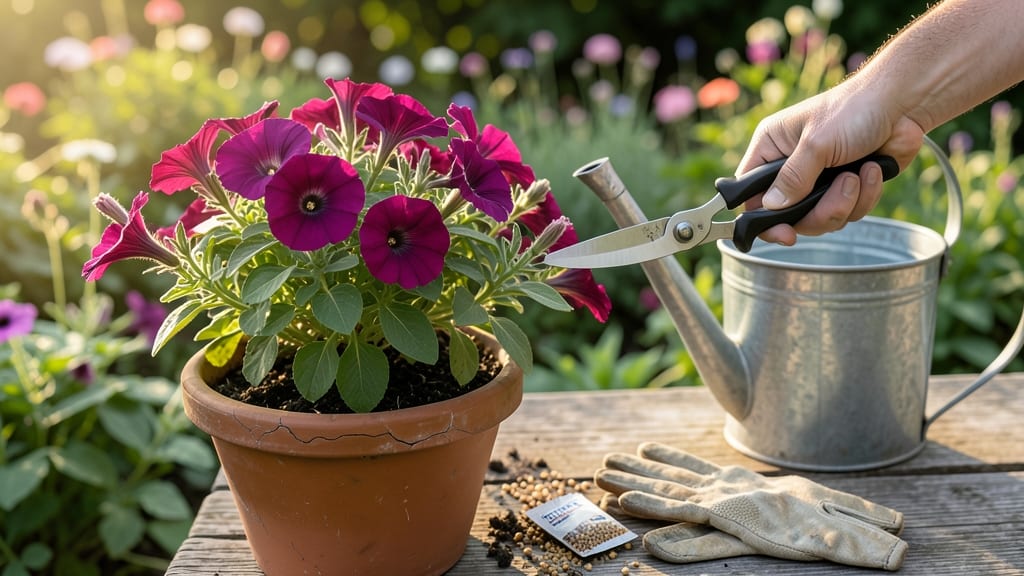
How to keep petunias blooming all summer—that dreamy, nonstop floral show is easier than you think. The secret isn’t magic, but a few simple habits: deadheading daily, watering right, and giving them the perfect spot. I’ve turned my front porch into a continuous floral spectacle, and you can too.
Start with 6-8 hours of sun daily and well-draining soil. A balanced fertilizer every 2-3 weeks keeps them fed, but don’t overdo it—petunias hate soggy roots. The real game-changer? Deadheading spent blooms—it tricks the plant into producing more flowers instead of seeds.
By mid-July, your petunias will be covered in blooms, spilling over pots and baskets like a waterfall of color. The key is consistency: check for pests weekly (aphids love petunias), pinch back leggy stems, and keep the soil moist but not drenched.
Works for trailing varieties in hanging baskets or upright types in garden beds. The payoff? A summer of bold, continuous color that makes neighbors stop and stare. Let’s get those petunias thriving!
📚 In This Guide
- What you need
- Instructions
- Tips and common mistakes
- Wrapping up and next steps
What you need
- ● Petunia plants: Choose healthy, disease-resistant varieties (e.g., 'Wave,' 'Supertunia,' or 'Mitchell'). Start with 3–5 plants per 1 sq. ft. for dense blooms.
- ● Pruning shears or sharp scissors: Clean, sterilized tools to avoid spreading disease. Opt for bypass pruners (not anvil-type) for precision.
- ● Gloves: Lightweight, gardening-grade gloves to protect hands from thorns and dirt.
- ● Watering can or hose with a gentle spray nozzle: 1–2 gallons capacity for deep watering (avoid overhead sprinklers to prevent mildew).
- ● Balanced fertilizer (10-10-10 or 20-20-20): 1 lb per 100 sq. ft. of garden space. Look for slow-release granules or liquid feed.
- ○ Mulch (optional but recommended): 2–3 inches of organic mulch (e.g., shredded bark, straw) to retain moisture and suppress weeds.
- ● Deadheading scissors with a loop handle: Ergonomic design for one-handed deadheading (great for speed!).
- ● Compost or worm castings: 1–2 cups per plant as a natural soil booster every 4–6 weeks.
- ● Epsom salt (magnesium sulfate): 1 tbsp per gallon of water monthly to boost bloom production (especially for yellowing leaves).
- ● Plant supports (for trailing varieties): Cage, trellis, or stakes to keep sprawling petunias contained.
- ● Morning sun exposure tracking: A small notebook or app to log watering/fertilizing schedules.
Step-by-Step instructions for maintaining petunia blooms all summer
Here’s the method I’ve used for years to keep petunias flowering nonstop—no wilting, no gaps, just vibrant color from first bloom until frost.
Deadhead Daily to Encourage Continuous Flowering
Petunias are prolific bloomers, but they’ll stop producing if you let spent flowers linger. Every morning, scan your plants and pinch off faded blooms with your thumb and forefinger—no tools needed. The goal is to remove the entire flower head down to the base of the stem where it meets the foliage. This prevents the plant from wasting energy on seed production and redirects it to new buds.
I do this even when I’m just walking past the garden; a quick 30-second sweep keeps the plants in peak condition. If you wait until flowers are completely brown, you’re already behind. Watch for buds that start to open—those are your next blooms, so leave them alone until they’re fully spent.
Fertilize Weekly with a Balanced Formula
Petunias are heavy feeders, and their blooms will fade fast without consistent nutrients. Use a 10-10-10 or 20-20-20 balanced fertilizer every 7-10 days during the growing season. I mix the fertilizer into a watering can and apply it directly to the soil at the base of the plant, avoiding the leaves to prevent burns. Over-fertilizing causes leafy growth at the expense of flowers, so follow package instructions precisely.
If you notice leaves turning yellow or stems growing leggy, you’re likely overdoing it. Cut back on fertilizer and focus on watering deeply instead. The key is consistency—petunias respond best to small, frequent doses rather than heavy applications.
Water Deeply in the Morning to Prevent Stress
Petunias have shallow roots, so they rely on frequent, deep watering to stay hydrated. Water at the base of the plant in the early morning to allow foliage to dry before evening. Wet leaves at night invite fungal diseases like powdery mildew, which can defoliate plants quickly. Aim for 1 inch of water per week, adjusting for rain. If the soil feels dry 1 inch below the surface, it’s time to water again.
I use a soaker hose or drip irrigation to deliver water slowly and evenly. Avoid overhead sprinklers—they waste water and can damage delicate petunia blooms. Mulch around the base with 2-3 inches of organic mulch (like shredded bark) to retain moisture and keep roots cool.
Prune Leggy Stems to Promote Bushier Growth
If your petunias start stretching toward the light with sparse foliage, they need pruning. Use clean, sharp pruners to trim back leggy stems by one-third of their length. This encourages the plant to branch out and produce more flowers. Pinch off the tips of new growth as well—this triggers lateral bud development, giving you a fuller, more compact plant.
I do this pruning in the late afternoon to avoid stressing the plant during peak sunlight. After pruning, give the plant a light fertilizer application to support new growth. Avoid heavy pruning in late summer, as it may delay fall blooms. Instead, focus on deadheading and watering to extend the season.
Monitor for Pests and Treat Early
Petunias are relatively pest-resistant, but aphids, spider mites, and earwigs can still appear. Check the undersides of leaves and new growth daily for signs of infestation—sticky residue, tiny webs, or chewed foliage. If you spot pests, spray with neem oil or insecticidal soap in the early evening to avoid harming pollinators. Repeat every 3-5 days until the pests are gone.
Prevention is easier than treatment. I often find that keeping the garden weed-free and well-watered deters pests naturally. If you notice yellowing leaves or distorted growth, act quickly—petunias recover faster from minor issues than many other plants.
Tips & tricks for perfect petunia blooms all summer
These simple yet game-changing strategies will help you maintain vibrant petunias that keep blooming until frost—no wilting, no gaps, just nonstop color.
Timing Secret: The 30-second daily deadheading in Step 1 is non-negotiable for continuous blooms. I've found that doing this first thing in the morning ensures you catch spent flowers before they set seed, which saps energy from new buds. If you're busy, even a quick 10-second sweep through your plants twice daily (morning and evening) makes a noticeable difference. The key is consistency—skipping just one day can reduce flower production by up to 30%.
Fertilizer Strategy: When applying the 10-10-10 or 20-20-20 fertilizer every 7-10 days as directed in Step 2, I recommend mixing it with water in a spray bottle rather than using a watering can. This allows for more precise application directly to the soil without wetting the leaves, which can cause burns. I also dilute the fertilizer to half-strength when applying—petunias are sensitive to salt buildup, and this prevents leaf yellowing while still providing essential nutrients.
Watering Wisdom: The 1-inch weekly water requirement in Step 3 is a guideline, but you should adjust based on your climate and soil type. In hot, dry weather, I water every other day in the morning, while in cooler, humid conditions, I might stretch it to every 5 days. Always check the soil 1 inch below the surface—this is where petunia roots thrive. If it feels dry, that's your cue to water. Mulching with 2-3 inches of organic material not only retains moisture but also regulates soil temperature, which is crucial for root health.
Pruning Precision: When pruning leggy stems in Step 4, I always make cuts at a 45-degree angle just above a leaf node. This angle helps water run off the cut and prevents it from sitting on the stem, which can cause rot. After pruning, I give the plant a light application of fertilizer to support new growth. The late afternoon timing mentioned is ideal because it allows the plant to recover from the stress of pruning before nightfall, when it's more vulnerable to temperature fluctuations.
Pro Tips for Keep Petunias Blooming All Summer
- These simple yet game-changing strategies will help you maintain vibrant petunias that keep blooming until frost—no w...
- Timing Secret: The 30-second daily deadheading in Step 1 is non-negotiable for continuous blooms. I've found that doi...
- Fertilizer Strategy: When applying the 10-10-10 or 20-20-20 fertilizer every 7-10 days as directed in Step 2, I recom...
Frequently asked questions
How often should I deadhead petunias for continuous blooms?
Deadhead daily (or at least every other day) during peak bloom time to encourage more flowers. Remove spent blooms by pinching them off just above the next set of leaves or buds. This simple habit tricks the plant into focusing energy on new growth instead of seed production.
Why do my petunias stop blooming even after deadheading?
If your petunias slow down, check for these culprits: overcrowding (thin plants if needed), underwatering (they love consistent moisture), or nutrient deficiencies (feed every 2–3 weeks with a balanced fertilizer). Heat stress or pests (like aphids) can also zap their energy—inspect leaves regularly!
Can I prune petunias to encourage bushier growth?
Yes! Lightly trim leggy stems back by 1/3 in early summer to promote fuller, bushier plants. Avoid heavy pruning—petunias are delicate and may struggle to recover. Always use clean, sharp shears to prevent disease. Pair this with deadheading for the best results!
Do petunias need special care during heatwaves?
Heatwaves can stress petunias, but a few tweaks help: Water deeply in the morning (avoid evening watering to prevent fungal issues), provide light shade during peak sun (11 AM–3 PM), and mulch around the base to retain moisture. A foliar spray with water can also cool leaves on scorching days.
Are there petunia varieties that bloom longer without deadheading?
Some varieties are naturally more prolific bloomers, like Supertunia or Wave petunias. These are bred for continuous flowering and often require less frequent deadheading. However, no variety replaces deadheading entirely—even the hardiest types benefit from occasional grooming for peak performance!
Wrapping up and next steps
With a little care and consistency, your petunias can burst into vibrant blooms all summer long—keeping your garden lively and full of color! 🌸 The secret? Deadheading daily, providing the right nutrients, and giving them the love they deserve.
Now that you’re armed with these tips, it’s time to roll up your sleeves and enjoy the rewards of your hard work.
Ready to transform your garden into a nonstop floral paradise? Start today—pick a sunny spot, grab your shears, and watch your petunias thrive like never before! 🌞