
How To
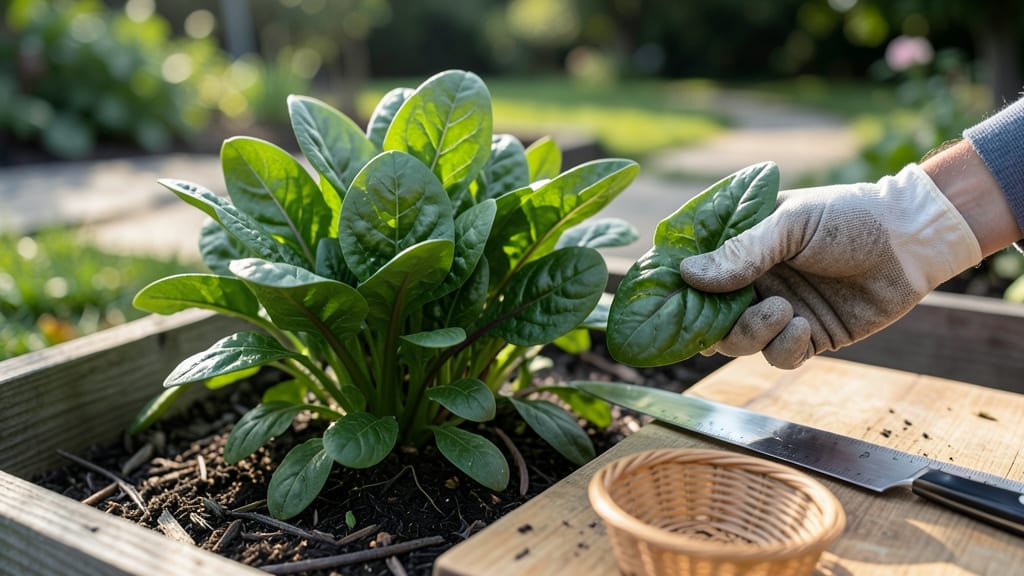
Knowing how to know when spinach is ready to harvest can mean the difference between tender, flavorful greens and bitter, tough leaves. Most gardeners wait too long, missing the perfect window when the plants are at their peak—right before they bolt or develop fibrous stems.
This is where the magic happens: when your spinach leaves reach 4-6 inches in length, with a deep, vibrant green color and a crisp texture. The outer leaves should be fully formed, while the inner ones remain tender and compact.
If you're growing baby spinach varieties, you might harvest even earlier—around 3-4 weeks—for the mildest flavor.
Timing is everything, especially in USDA Zone 6a, where spring and fall planting windows are short. Harvesting at the right moment not only ensures the best taste but also encourages your spinach plants to keep producing new growth.
Let me show you exactly what to look for so you never miss the ideal harvest moment again.
From leaf size to color and texture, I'll break down the key indicators that tell you it's time to pick—plus how to harvest without damaging your plants. Whether you're a seasoned gardener or just starting, these tips will help you get the most out of your 🥬 spinach crop.
Spinach leaf size and shape: the exact dimensions for peak harvest
When your spinach plants are thriving, the first clue you’ll notice is the leaf size. For baby spinach varieties like Baby’s Leaf Hybrid, harvest when leaves reach 3-4 inches wide—this is the sweet spot for tender, delicate greens.
Mature varieties, such as Tyee or Bloomsdale Long Standing, should be picked when leaves hit 4-6 inches in length and 3-4 inches wide. These dimensions ensure you’re harvesting at peak tenderness before the leaves become tough or bitter.
Pay close attention to the leaf shape as well. Young spinach leaves are rounder and more compact, while mature leaves develop broad, arrowhead-like shapes with pointed tips.
If the outer leaves are fully formed but still tender, it’s time to harvest. Overlooking this can lead to fibrous, stringy leaves that ruin salads or cooked dishes.
Here’s a quick trick: use your thumb and index finger to pinch the base of the outer leaf. If it snaps cleanly with a slight resistance, the leaf is ready.
If it feels mushy or overly soft, it’s past its prime. This simple test saves you from harvesting too early or too late.
| Stage | Leaf Size | Shape | Texture | Harvest Tip |
|---|---|---|---|---|
| Baby Spinach (e.g., Baby’s Leaf) | 3-4" wide | Round, compact | Tender, crisp | Harvest entire plant or outer leaves. |
| Mature Spinach (e.g., Tyee, Bloomsdale) | 4-6" long, 3-4" wide | Arrowhead, pointed tips | Crisp but not fibrous | Pick outer leaves first to encourage regrowth. |
| Overgrown Spinach | 6"+ long, 4"+ wide | Broad, woody stems | Tough, bitter | Harvest and compost; may bolt soon. |
For cut-and-come-again harvesting, leave the center leaves intact to keep producing. Snip or twist off the outer leaves, leaving at least 1-2 inches of stem attached. This method extends your harvest window by 3-4 weeks and keeps your spinach productive.
Just avoid cutting into the heart leaves unless you’re ready to harvest the entire plant.
One common mistake is waiting until the leaves are too large—this is when spinach starts to develop bolting stems (tall flower stalks) and becomes bitter. If you see yellow flowers forming, it’s too late for tender leaves.
Instead, focus on harvesting when leaves are 40-50% of their maximum size for the best flavor and texture.
Pro tip: Morning harvests yield the freshest spinach. Leaves are crispest and most flavorful after a cool night, especially in spring or fall when temperatures are mild. If you’re harvesting in hot summer months, pick in the early morning or late evening to avoid wilting.
For savoy spinach varieties (like Giant Winter), the crinkled texture is a hallmark of maturity. These leaves can be harvested slightly larger—up to 6 inches long—but still keep them tender.
The key is to check the texture: if the leaves feel slightly waxy or leathery, they’re ready.
If you’re growing spinach in containers or small pots, monitor the leaf size more closely. Space constraints mean leaves can mature faster, so aim for harvesting every 2-3 weeks to prevent overcrowding. Overcrowded spinach leads to smaller, tougher leaves and increased pest risks.
Remember, consistent harvesting is the secret to a bountiful spinach crop. By paying attention to these leaf size and shape cues, you’ll enjoy tender, sweet spinach all season long—no bitter surprises here! 🥬
Spinach leaf size and shape: the exact dimensions for peak harvest
When your spinach plants reach the ideal leaf size, they’re begging to be harvested. For most varieties, aim for 4-6 inches in length—this is the sweet spot for tender, flavorful leaves.
Baby spinach varieties like 'Baby's Leaf Hybrid' can be harvested even smaller, around 2-3 inches, for a delicate texture perfect in salads.
Look at the leaf shape too—mature leaves should be broad with slightly pointed tips, not narrow or curled. The outer leaves develop first, so they’re usually the first ready for picking.
If you’re growing savoy spinach, the crinkled texture is normal, but the leaves should still be fully unfurled and vibrant.
| Stage | Leaf Size | Texture | Harvest Tip |
|---|---|---|---|
| Baby Leaves | 2-3 inches | Ultra-tender | Pick outer leaves first |
| Mature Leaves | 4-6 inches | Crisp but not woody | Harvest entire outer leaves |
| Overmature | 6+ inches | Tough, bitter | Avoid—reduce future harvests |
Pro tip: Use your thumb and forefinger to gently pinch the stem just above where the leaf meets the plant. If the leaf pulls away cleanly without resistance, it’s ready.
If it feels fibrous or tough, wait a few more days—harvesting too early stunts growth, while waiting too long turns leaves bitter.
For continuous harvests, cut leaves every 2-3 weeks instead of pulling the whole plant. This encourages new growth and extends your spinach’s productivity by 30-50%. Just leave the inner leaves (the heart) intact so the plant keeps producing.
One common mistake? Harvesting by leaf count instead of size. Some gardeners assume "5-6 true leaves" means it’s ready, but spinach varieties vary wildly in growth rates. Always check leaf dimensions first—your best guide is what you see, not what you count.
If your spinach starts developing bolting stems (tall flower stalks), you’ve waited too long. This happens when days get longer (typically in late spring) or when stressed by heat. At this point, harvest everything immediately—bolting makes leaves bitter and tough, but they’re still edible if cooked thoroughly.