
How To
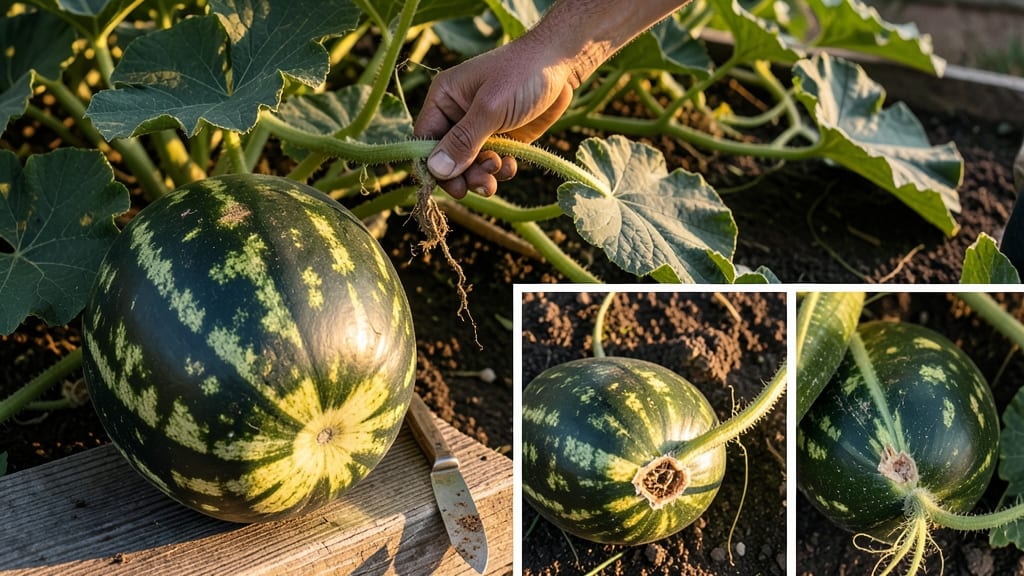
Knowing how to know when to pick a watermelon off the vine can turn a guessing game into a foolproof process—because that perfect 🍉 moment makes all the difference between a burst of summer sweetness and a mealy disappointment.
If you've ever sliced into a watermelon only to find it underripe or overripe, you know how frustrating it can be. The good news?
With just a few simple tricks—like checking the tendril color, tapping for that hollow sound, or spotting the creamy bottom—you can master the art of harvesting at peak ripeness every time.
I’ve tested these methods in USDA Zone 6a gardens, and they work whether you’re growing heirloom varieties or seedless types. No more waiting too long or picking too soon—just reliable, science-backed cues to guarantee that juicy, sweet reward.
Ready to never second-guess your harvest again? Let’s break down the 4 foolproof signs that your watermelon is finally ready to come off the vine.

4 Field-tested signs your watermelon is ripe and ready for harvest
Watermelons are finicky about timing—pick too early, and you’ll get a bland, watery fruit. Wait too long, and it might overripen or even rot on the vine. The good news? Mother Nature gives us clear visual and physical cues to nail the perfect harvest window.
These 4 foolproof signs will help you determine when your watermelon is ready to be picked.
First, let’s talk about the ground spot, a telltale sign that’s often overlooked. This creamy yellow or white patch appears on the side of the watermelon that rests against the soil. When it’s fully developed—think bright yellow or orange—it’s a strong indicator of ripeness.
This spot forms due to the fruit’s exposure to sunlight and heat from the ground, which triggers natural sugars to develop.
Next, pay attention to the curly tendril near the stem. This small vine-like structure will start to dry out and turn brown when the watermelon is nearing harvest. Unlike the main vine, this tendril should be completely crispy and detached from the fruit.
If it’s still green or only partially brown, give the melon a few more days to mature.
- 1. Ground Spot: Bright yellow/cream-colored patch on the underside of the melon.
- 2. Tendril Test: Brown and crispy curly tendril near the stem.
- 3. Thump Test: Hollow, deep sound when tapped—like knocking on a drum.
- 4. Stem Detachment: Dull stem that twists off easily with a gentle pull.
The thump test is a classic for a reason—it’s simple and effective. Gently tap the watermelon with your knuckles. A ripe melon will sound hollow and deep, almost like a drum.
If it sounds dull or flat, it’s not ready yet. This test works best when the fruit is at room temperature, so avoid testing right after a cool morning.
Finally, check the stem near the fruit. When a watermelon is ripe, this stem will turn dull and dry and separate easily from the vine with a gentle twist. If it snaps off cleanly, you’re in the clear.
If it resists or feels green, the melon needs more time. This is especially useful for heirloom varieties, which can be trickier to judge by color alone.
Timing matters even more when you’re growing seedless watermelons or hybrid varieties, as their ripeness cues can differ slightly. For example, seedless types often develop a darker green rind with a more pronounced yellow spot.
Always cross-reference these signs with the days to maturity listed on your seed packet—most watermelons take 70-90 days to reach harvest readiness.
One common mistake is assuming a large size means ripeness. Some watermelons grow big but stay bland inside. Others, like smaller heirloom types, can be perfectly sweet at a fraction of the size. Always prioritize the visual and physical cues over guesswork based on weight or diameter.
If you’re harvesting in hot summer months, act fast once you spot these signs. Watermelons can overripen quickly in high heat, leading to shriveled rinds or even rot.
Cutting the stem with a sharp knife or pruners leaves about 1-2 inches of stem attached—this helps the melon cure properly and last longer in storage.
Remember, the best watermelons are those picked at peak ripeness. By mastering these 4 signs, you’ll enjoy juicy, sweet fruit straight from your garden—no more sad, watery disappointments! 🍉
4 Field-tested signs your watermelon is ripe and ready for harvest
Knowing exactly when to harvest your watermelons can be tricky, but these 4 foolproof signs will help you pick the perfect melon every time. The key is combining visual cues with simple physical tests—no guesswork required!
Start by checking the ground spot, the area where the melon sat on the soil, as this often reveals the first signs of ripeness.
Next, examine the curly tendril closest to the stem—when it turns brown and dries up, that’s your first major clue. Combine this with the thump test, where a ripe watermelon will sound hollow when tapped.
These methods work together to give you confidence in your harvest timing, ensuring you avoid both underripe and overripe fruit.
- 🟡 1. Ground Spot turns creamy/yellow (not white)
- 🍯 2. Curly Tendril near stem turns brown and dries
- ✂️ 3. Stem detaches easily when twisted
- 🔊 4. Thump Test sounds hollow when tapped
Let’s break down each method so you can apply them in your garden. The ground spot should develop a creamy or yellowish hue—this indicates the melon’s sugars have fully developed.
If it’s still white or pale, wait a few more days. This visual cue is especially reliable for seedless varieties, which often ripen slightly later than traditional types.
For the thump test, tap the melon firmly with your knuckles—if it sounds hollow, it’s ready. A dull thud means it needs more time on the vine. Pro tip: Test both the blossom end (where the stem attaches) and the opposite side for consistency.
This method works best when combined with the other signs, as environmental factors like soil moisture can affect the sound.
Don’t overlook the stem’s condition—when it turns dull and separates easily from the vine with a gentle twist, that’s your final green light. If the stem resists or is still green, the melon isn’t fully ripe.
This sign is particularly important for heirloom varieties, which can take longer to mature than hybrids. Pairing this with the tendril test ensures you’re harvesting at peak sweetness.
Finally, weight and size play a role, but they’re secondary indicators. A ripe watermelon should feel heavy for its size, with a firm but slightly yielding rind. Press your thumbnail into the skin—if it doesn’t puncture easily, the melon is ready.
Avoid harvesting based on size alone, as some varieties grow large but never ripen fully.