
How To
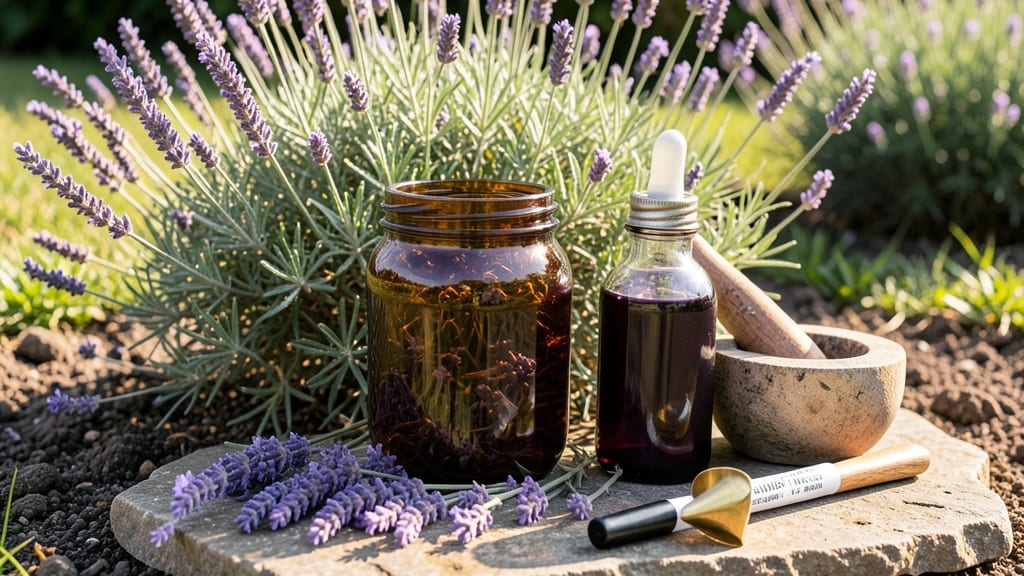
Your lavender harvest deserves better than sitting in a jar. ✨ Making lavender tincture turns those fragrant buds into a versatile remedy that lasts for years—no fancy equipment needed, just a few simple ingredients and patience.
I’ve made dozens of batches, and the key is getting the alcohol-to-flower ratio right the first time to avoid weak potency or moldy messes.
The secret isn’t in the fancy glassware—it’s in the 80-proof vodka or everclear (never rubbing alcohol) and a 1:5 ratio of dried lavender to alcohol.
Pack your flowers tightly into a clean jar, pour the alcohol over them, and let it steep in a dark place for 4-6 weeks, shaking gently every few days. The longer it sits, the stronger (and more expensive) it gets—but 4 weeks is perfect for most uses.
By the end, you’ll have a golden liquid that smells like a Provence summer and works for everything from stress relief to minor skin irritations. Store it in a cool, dark spot, and it’ll keep for years—far longer than fresh lavender could ever last.
Just watch for mold (a bad sign) or cloudiness (time to strain again).
This isn’t just a hobby—it’s a practical, long-term investment in your wellness routine. Once you’ve mastered the basics, you can experiment with strength, flavor, or even adding other herbs. Ready to turn those buds into liquid calm?
📚 In This Guide
- What you need
- Instructions
- Tips and common mistakes
- Wrapping up and next steps
What you need
- ● Fresh or dried lavender buds: ½ cup (about 20-25g). Opt for organic lavender to avoid pesticides.
- ● High-proof alcohol (80-100 proof): 1 cup (240ml). Vodka or everclear work best—avoid flavored varieties.
- ● Clean glass jar: 16oz (473ml) with an airtight lid. A mason jar is ideal.
- ● Fine-mesh strainer or cheesecloth: For filtering out plant debris.
- ● Dark glass dropper bottles: 1-2 oz (30-60ml) for storage. Amber or cobalt glass protects from light.
- ● Carrier oil (for non-alcoholic option): ½ cup (120ml) olive or coconut oil + 1 cup vodka (mix later).
- ● Labeling supplies: Masking tape + marker to label your tincture.
- ● Small funnel: To avoid spills when transferring liquids.
- ● Food processor or mortar & pestle: To crush lavender buds (boosts potency!).
Step-by-step instructions for Making lavender tincture
Here's how I make a potent, soothing lavender tincture—simple enough for beginners, strong enough to work.
🌿 Step 1: Gather and Prepare Fresh Lavender
Pick 1 cup fresh lavender buds at peak bloom (mid-morning after dew dries but before afternoon heat). The buds should be plump and purple-blue, not wilted or brown. Remove any stems or leaves—just the flower buds infuse best. Spread them on a clean towel to dry completely for 1-2 hours if they're still damp from morning dew.
I always use a small scale to measure ¼ cup dried lavender buds (about 1 ounce) for the tincture. Fresh lavender needs more volume—about 1 cup fresh buds equals roughly ¼ cup dried after drying. If using fresh, dry them thoroughly first to prevent mold in the alcohol.
💧 Step 2: Combine Lavender with Alcohol
Pour 1 cup high-proof vodka (80 proof or higher) into a clean glass jar with a tight lid. The alcohol should cover the lavender buds completely—aim for at least 2 inches of liquid above the buds. I use a wide-mouth quart jar to make this easy. Add the dried lavender buds and stir gently to ensure they're fully submerged.
Seal the jar tightly and place it in a dark, cool spot (like a cabinet or closet). The darkness prevents light from degrading the alcohol and the cool temperature slows oxidation. Shake the jar gently once daily for 4-6 weeks. You'll see the liquid turn a pale yellow or light lavender color as it infuses.
☀️ Step 3: Strain and Bottle the Tincture
After 4 weeks, check the tincture for color—it should be a rich amber or golden hue. If it's still pale, let it steep another 2 weeks. Once infused, strain the lavender buds through a fine-mesh sieve or cheesecloth into a clean glass bottle. Press the lavender gently to extract every last drop of liquid.
Store the tincture in a dark glass bottle (amber or cobalt) to protect it from light. Keep it in a cool, dark place like a pantry or cabinet. The tincture will last 1-2 years unopened, but once opened, use it within 6 months. The alcohol acts as a natural preservative, so no refrigeration is needed.
⏰ Step 4: Test and Use Your Lavender Tincture
To test potency, place a drop of tincture on a sugar cube or mix with water. It should have a strong, floral lavender aroma with no harsh alcohol bite. For use, I typically take 1-2 drops under the tongue or mix with water for relaxation. You can also add 5-10 drops to bathwater for a calming soak.
Here's the thing—lavender tincture is versatile. Use it in homemade sleep sprays, add to lotions, or even mix with honey for a soothing remedy. Just remember, alcohol tinctures are potent, so start with small doses to gauge your sensitivity.
Tips & tricks for perfect lavender tincture
These little details make all the difference between a good lavender tincture and one that's truly soothing and potent.
Harvesting Matters: The 1-2 hour drying time for fresh lavender buds is non-negotiable if you want to avoid mold. I learned this the hard way after storing damp buds that turned my entire batch. Use a clean kitchen towel and let them dry completely before proceeding—no shortcuts here.
Alcohol Selection: While 80-proof vodka works, I've found that 100-proof grain alcohol extracts more lavender compounds in less time. Just remember, higher-proof alcohol means more potent tincture—start with smaller doses if you're sensitive. The 2-inch liquid coverage above the buds ensures full submersion without waste.
Infusion Timeline: The 4-6 week range is perfect because it balances flavor extraction with alcohol preservation. After 4 weeks, you'll see the rich amber color develop, but the full 6 weeks really deepens the floral notes. If you're impatient, you can check at 4 weeks—just be prepared for a lighter color and slightly milder flavor.
Storage Wisdom: That dark glass bottle isn't just for looks—it's critical for preserving potency. Light degrades the active compounds in lavender, so store your tincture in a cool, dark pantry. The 6-month shelf life after opening is why I always keep a backup bottle—once opened, the tincture starts losing its potency faster.
Pro Tips for Make Lavender Tincture
- These little details make all the difference between a good lavender tincture and one that's truly soothing and potent.
- Harvesting Matters: The 1-2 hour drying time for fresh lavender buds is non-negotiable if you want to avoid mold. I l...
- Alcohol Selection: While 80-proof vodka works, I've found that 100-proof grain alcohol extracts more lavender compoun...
Frequently asked questions
Got questions about crafting your own lavender tincture? You’re not alone! Here are some of the most common queries—and their simple answers—to help you make the most of your homemade remedy.
How long does it take for the lavender tincture to be ready?
A lavender tincture typically needs 4–6 weeks to fully infuse, though it can be used earlier (after 2 weeks) if the color and aroma are strong. Patience is key—longer steeping = deeper benefits! Store it in a cool, dark place to preserve potency.
Can I use vodka instead of rubbing alcohol for the tincture?
Vodka (at least 80-proof) works perfectly as a solvent and is gentler on lavender’s delicate compounds. Just ensure it’s unflavored to avoid altering the tincture’s purity. Rubbing alcohol (isopropyl) can work in a pinch, but vodka yields a smoother, more aromatic result.
What if my tincture looks cloudy or has mold?
Cloudiness is normal, but mold or foul odors mean it’s time to toss it. To prevent spoilage, use sterile jars, clean tools, and store your tincture in a dark glass bottle with a tight seal. If in doubt, discard and restart—safety first!
How do I know if my lavender tincture is potent enough?
A well-made tincture should have a deep purple hue and a rich, floral aroma. If it’s pale or smells weak, extend the steeping time by 2 more weeks. For testing, dilute a drop in water—if the lavender flavor is faint, it may need more time or a higher alcohol concentration.
Can I make lavender tincture without alcohol?
Yes! For an alcohol-free version, use apple cider vinegar or vegetable glycerin as a base. However, these alternatives may have shorter shelf lives (3–6 months vs. years for alcohol-based tinctures) and weaker potency. Vinegar-based tinctures are great for culinary uses, while glycerin works well for topical applications.
Still curious? Drop your questions in the comments—we’re happy to help you perfect your lavender remedy!
Wrapping up and next steps
Making your own lavender tincture is simpler than you think—and the rewards are worth it! With just a few ingredients and a little patience, you’ve unlocked a natural remedy for relaxation, skincare, and soothing relief.
Whether you’re crafting it for stress relief or home remedies, this DIY project is a game-changer for your wellness routine.
Now that you’re equipped with the know-how, why not experiment with flavors or share your tincture with loved ones? Try blending it into homemade lotions, adding it to teas, or gifting it as a thoughtful, handmade treat. Your future self (and senses) will thank you! 🌿✨