
Orchid Care
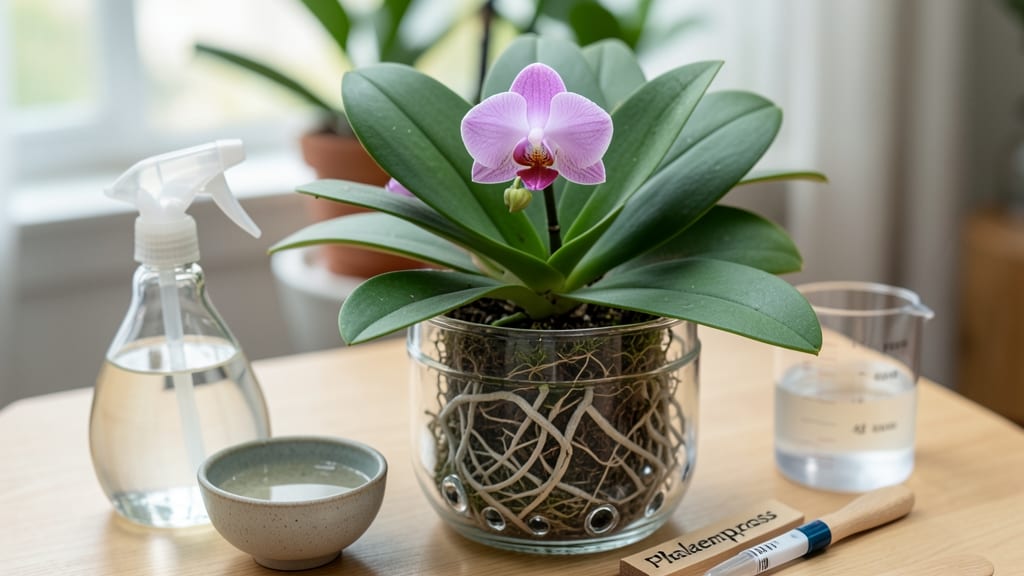
Rice water isn't just for rinsing grains—it's a secret weapon for orchids. 🌱 I learned this trick after watching my orchids struggle with weak growth despite regular fertilizing. The solution? Using leftover rice water, packed with natural nutrients like nitrogen, potassium, and B vitamins that orchids crave.
You only need three things: uncooked rice, water, and a clean container. Soak 1 cup of rice in 4 cups of water for 24 hours, then strain it through cheesecloth or a fine mesh.
The golden liquid left behind is your orchid's new favorite snack—just dilute it with water (1:1 ratio) before pouring it into your orchid's pot.
Your orchids will reward you with vibrant green leaves, stronger roots, and more frequent blooms. Use this fertilizer once every 4-6 weeks during active growth (spring and summer). The best part? It's free, organic, and works wonders even for finicky orchid varieties that reject chemical fertilizers.
Fair warning: overuse can cause salt buildup, so always let the mix sit overnight before using it. And if you notice mold or a foul smell, toss it—your orchids deserve fresh, clean nutrients. This method has transformed my orchid collection, and it can do the same for yours.
📚 In This Guide
- What you need
- Instructions
- Tips and common mistakes
- Wrapping up and next steps
What you need
- ● White or brown rice: 1 cup (uncooked) – Avoid flavored or instant rice (they may contain additives).
- ● Filtered or distilled water: 4 cups – Tap water with high chlorine or minerals can harm orchids.
- ● Large pot or bowl: Minimum 1-quart capacity – For soaking rice and water.
- ○ Fine-mesh strainer or cheesecloth: Optional but recommended – Ensures smooth, debris-free water.
- ● Spray bottle or watering can: With a fine rose nozzle – For gentle application to orchid roots.
- ● pH testing strips: – Check water acidity (ideal: 5.5–6.5 for orchids).
- ● Wooden stick or spoon: – Stir rice gently to avoid breaking grains.
- ● Glass jar for storage: – Keeps rice water fresh for up to 3–5 days in the fridge.
Step-by-Step instructions for making rice water for orchids
This simple, nutrient-packed fertilizer takes just minutes to prepare and will give your orchids a healthy boost.
🌱 Step 1: Cook the Right Amount of Rice
Start with 1 cup of uncooked white rice—this is the perfect base for a single application. Rinse the rice thoroughly under cold water to remove excess starch, which can cloud the water if left unwashed. Place the rice in a pot and cover it with 2 cups of water. This ratio ensures you'll have enough nutrient-rich water for watering without wasting excess.
Bring the water to a boil over medium heat and then reduce the heat to low. Let the rice simmer for 15-20 minutes, stirring occasionally to prevent sticking. The goal is to cook the rice until it's fully tender but not mushy. You’ll know it’s ready when the grains are soft and the water has absorbed the rice’s natural nutrients—this is the liquid gold your orchids will thrive on.
💧 Step 2: Strain and Cool the Rice Water
Once the rice is cooked, immediately strain the water through a fine-mesh sieve or cheesecloth into a clean container. Press gently on the rice to extract as much liquid as possible, but avoid squeezing too hard—you don’t want starch residue clogging the strainer. Discard the cooked rice; it’s no longer useful for this process. The strained liquid should be cloudy but not milky—this indicates a good balance of nutrients.
Let the rice water cool to room temperature before using it. Orchid roots are sensitive to temperature changes, and cold water can shock them. If you’re in a hurry, place the container in a bowl of cool water to speed up the process, but always ensure it’s lukewarm before applying. You’ll have about 1.5-2 cups of nutrient-rich water, enough for 4-6 orchid plants depending on their size.
☀️ Step 3: Dilute and Apply to Orchids
Never use undiluted rice water—it’s too strong and can harm your orchids. Mix 1 part rice water with 4 parts distilled or rainwater to create a gentle, nutrient-rich solution. Distilled water is ideal because it lacks minerals that could interfere with nutrient absorption. Stir well to ensure even distribution of nutrients. This diluted mixture is safe for weekly use during the growing season (spring and summer).
Water your orchids at the base of the plant, avoiding the leaves to prevent fungal growth. Use a spray bottle for misting orchids or pour the solution directly into the pot, allowing excess water to drain out. You’ll notice the soil or bark medium darken slightly—this is a good sign the nutrients are being absorbed. Avoid using rice water during dormancy (fall and winter) when orchids rest and require minimal care.
⏰ Step 4: Store and Rotate With Other Fertilizers
Store any leftover rice water in an airtight container in the refrigerator for up to 3 days. Beyond this, the nutrients break down and may become ineffective or even harmful. Label the container clearly to avoid confusion with other liquids. I like to alternate rice water with my regular orchid fertilizer every other week—this gives my plants a natural nutrient boost without overloading them.
Watch for signs of improvement: healthier roots, more vibrant blooms, and fewer pests. If you notice yellowing leaves or stunted growth, reduce the frequency to once every two weeks. Rice water is a supplement, not a replacement for balanced fertilization. Use it as part of a larger care routine, and your orchids will reward you with lush, thriving growth.
Tips & tricks for perfect orchid rice water
A few simple tricks will help you make the most out of this nutrient-rich fertilizer for your orchids.
Rice Selection Matters: While white rice is perfect for beginners, consider using brown rice for a more nutrient-dense option. Brown rice contains more B vitamins and minerals, which can give your orchids an extra boost. Just remember it takes about 5-10 minutes longer to cook than white rice—stick with the 15-20 minute range but stir more frequently to prevent burning. The extra cooking time helps release more nutrients into the water.
Straining Technique: For the cleanest rice water, use a double layer of cheesecloth instead of a sieve. This catches even the finest starch particles that can clog your orchid's medium over time. When pressing the rice, use gentle pressure—squeezing too hard releases bitter-tasting compounds that can harm your plants. Think of it like making tea: you want the liquid, not the sediment.
Temperature Check: The room temperature reference in Step 2 is crucial—orchid roots prefer water between 65-75°F. Test your cooled rice water with your wrist: it should feel slightly warmer than room temperature but not hot. If you're in a hurry, place the container in a bowl of cool water for 5-10 minutes to speed up cooling without shocking the water. This simple check prevents root burn that can occur with water that's too warm.
Storage Wisdom: When storing rice water in the fridge, pour it into a glass container rather than plastic. The glass preserves the nutrients better and lets you easily see the cloudy consistency that indicates freshness. I like to use small mason jars—just 8 ounces is perfect for a single watering session. Label each jar with the date and "Rice Water" so you don't accidentally use it for something else!
Pro Tips for Make Rice Water For Orchids
- A few simple tricks will help you make the most out of this nutrient-rich fertilizer for your orchids.
- Rice Selection Matters: While white rice is perfect for beginners, consider using brown rice for a more nutrient-dens...
- Straining Technique: For the cleanest rice water, use a double layer of cheesecloth instead of a sieve. This catches ...
Frequently asked questions
about making rice water for orchids—because every gardener deserves clarity! Here are answers to the most common queries to help you grow lush, thriving orchids with ease.How often should I use rice water for my orchids?
Use rice water once every 4-6 weeks during the growing season (spring and summer). Overuse can lead to salt buildup in the soil, harming your orchid’s roots. Dilute it 1:2 (rice water to water) if you’re unsure, or stick to the standard 1:1 ratio for a gentle nutrient boost.
Can I reuse leftover rice water?
No, you should not reuse rice water—it loses its nutrients and can become a breeding ground for bacteria. Always use fresh rice water for each application. If you’ve made extra, store it in the fridge for up to 3 days (strain it first!) or compost the leftover grains instead.
What if my orchid’s leaves turn yellow after using rice water?
Yellowing leaves usually mean over-fertilization or salt buildup. Flush the roots with plain, room-temperature water to rinse out excess nutrients. Reduce future applications to once every 8 weeks and avoid using rice water in winter when orchids are dormant. Monitor your orchid’s moisture levels too!
Is rice water better than commercial orchid fertilizer?
Rice water is a natural, low-cost alternative but lacks the balanced nutrients of commercial fertilizers. For best results, use rice water as a supplement (e.g., monthly) and switch to a diluted orchid fertilizer (like 20-20-20 at half-strength) every 2-3 months for comprehensive care.
Can I use instant rice or brown rice for orchids?
Yes! Both work, but white rice is easiest (no hulls to strain). Brown rice has more nutrients but requires extra straining to remove grit. Avoid flavored or seasoned rice—salt, oils, or spices can harm your orchid. Rinse the rice thoroughly before cooking to remove excess starch.
What if my orchid’s roots smell bad after using rice water?
A foul odor signals root rot or bacterial growth, often from stagnant water or overwatering. Stop using rice water immediately, remove the orchid from its pot, and trim any mushy, black roots with sterilized scissors. Repot in fresh, well-draining media and adjust your watering habits to prevent future issues.
Are there other kitchen scraps I can use for orchids?
Try these orchid-friendly kitchen hacks:
- Banana peel tea: Steep a peeled banana in water for 24 hours (rich in potassium).
- Eggshell water: Crush and soak eggshells in water for 2 days (adds calcium).
- Coffee grounds: Mix a thin layer into the topsoil (acid-loving orchids like this!).
Wrapping up and next steps
Making rice water for your orchids is a simple, cost-effective way to boost their health with natural nutrients! 🌱 With just a few ingredients and minimal effort, you’ve got a gentle yet powerful fertilizer that mimics the orchid’s natural environment.
Whether you’re a seasoned grower or just starting, this method proves that sometimes the best solutions are the most straightforward.
Ready to see your orchids thrive? Start with a small batch and observe how your plants respond—then scale up as needed. Happy growing! 🌸