
How To
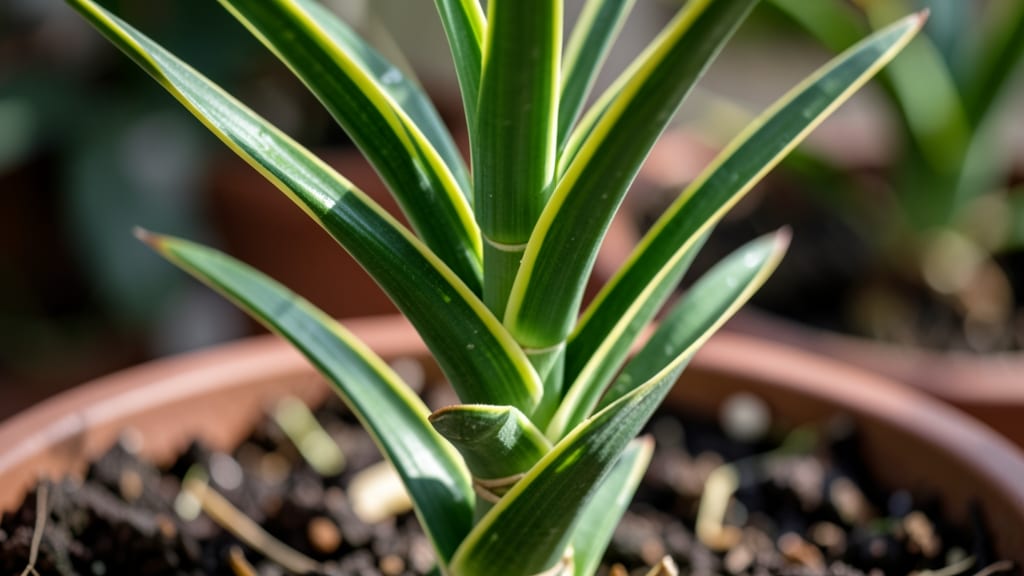
Here’s how to make snake plants grow tall: my 3-foot monster is proof that treating it like a jungle survivor—not a houseplant—is the key. 🌱 The secret isn’t more water—it’s light, rotation, and letting those thick stems stretch toward the sky without interference.
Most people prune too much or rotate too little, and their plants stay stubby and crowded.
Here’s what actually works: place it in the brightest corner you have (even artificial light works), rotate it quarter-turns every 2-3 weeks so all sides get equal sun, and water only when the soil is bone-dry.
The pruning? Just remove yellow leaves and cut back leggy stems at the base—never more than 1/3 at a time. Your plant will reward you with taller, straighter growth in just a few months.
📚 In This Guide
- What you need
- Instructions
- Tips and common mistakes
- Wrapping up and next steps
What you need
- ● Snake Plant (Sansevieria spp.) – Choose a healthy, mature plant with at least 2-3 sturdy leaves for best results.
- ● Well-draining potting mix – A blend of cactus/succulent soil (60%) + perlite or pumice (30%) + coarse sand (10%).
- ● Pot with drainage holes – Slightly larger than the current root ball (1-2 inches wider) to allow growth without overcrowding.
- ● Pruning shears or clean, sharp scissors – Sterilize with rubbing alcohol to prevent infection.
- ● Watering can with a narrow spout – Ensures precise watering at the soil base.
- ○ Gloves (optional but recommended) – Snake plant sap can be irritating to some skin.
- ● Grow lights (LED or fluorescent) – If natural light is limited (12-14 hours/day for optimal growth).
- ● Balanced liquid fertilizer (5-5-5 or 10-10-10) – Diluted to half-strength for feeding (use every 4-6 weeks in growing season).
- ● Rotating plant stand or saucer – Makes it easy to shift your snake plant’s position for even light exposure.
- ○ Rooting hormone (optional) – Speeds up propagation if you’re dividing your plant.
- ● Humidity tray or pebbles – Helps if your home has very dry air (though snake plants are drought-tolerant!).
Step-by-Step instructions for encouraging snake plant vertical growth
Here’s the method I’ve used to coax my snake plants into towering, architectural specimens—no special equipment required.
🌿 Step 1: Assess Current Growth Habits and Light Exposure
Snake plants grow taller when they’re pushed to reach for light. Start by examining your plant’s current light source: if it’s getting bright indirect light but leaning toward a window, it’s already stretching. Move it to a spot with 6-8 hours of direct light daily—south or west-facing windows work best. You’ll notice leaves elongating within 2-3 weeks as they seek the light.
If your plant is in low light, don’t force it—snake plants will survive but won’t grow tall. Instead, wait until you can relocate it to a brighter spot. The key is patience: a sudden move to full sun can scorch leaves, so gradually increase light exposure over 5-7 days.
✂️ Step 2: Strategic Pruning to Encourage Vertical Growth
Prune only when necessary—snake plants are resilient, but over-pruning stunts growth. Focus on removing the bottom 2-3 leaves if they’re yellowing or browning. Cut just above the soil line with clean, sharp scissors to avoid tearing. This opens up the plant’s center, allowing light to penetrate and encouraging new growth from the base.
Here’s the thing—never prune more than 25% of the plant at once. I’ve seen growers trim aggressively, only to watch their snake plant produce a bushy top but no height. After pruning, water lightly to settle the soil and reduce stress on the plant. You’ll see new shoots emerging from the base within 4-6 weeks.
🪴 Step 3: Rotate the Pot Weekly for Even Growth
Snake plants grow toward light, so they’ll lean if their pot isn’t rotated. Every 7 days, turn the pot a quarter turn (90 degrees) to ensure even exposure. This prevents lopsided growth and encourages straight, vertical stems. Place the pot on a stable surface—snake plants can get top-heavy as they grow, and a wobbling pot stresses the roots.
If your plant is already leaning, don’t force it upright. Instead, gradually rotate it back to vertical over 2-3 weeks. The roots will adjust, and new growth will straighten naturally. I’ve had plants that were nearly horizontal recover fully with this method—just give it time.
☀️ Step 4: Adjust Watering to Support Vertical Growth
Overwatering is the #1 killer of tall snake plants. These plants store water in their leaves, so they thrive on neglect. Water only when the top 3-4 inches of soil are completely dry. Stick your finger in the soil—if it feels damp past your first knuckle, wait another week. You’ll know you’re doing it right when the leaves feel firm and plump, not squishy.
Underwatering, however, can stunt growth. If the leaves start to pucker or the tips turn brown, it’s a sign to water more frequently. But here’s the catch: even when underwatered, snake plants won’t grow tall—they’ll just survive. The goal is consistency: water deeply but infrequently, and your plant will reward you with steady upward growth.
⏰ Step 5: Fertilize Sparingly for Stronger Stems
Snake plants don’t need much fertilizer, but a light feeding in spring and summer can boost vertical growth. Use a balanced, water-soluble fertilizer (like 10-10-10) diluted to half strength. Apply it every 6-8 weeks during the growing season. Over-fertilizing leads to weak, leggy growth—exactly what you’re trying to avoid.
After fertilizing, water thoroughly to rinse any excess salts from the soil. I like to fertilize right after rotating the pot—this way, the plant gets a nutrient boost while adjusting to its new light exposure. You’ll see stronger, thicker stems within 2-3 months of consistent feeding.
Tips & tricks for encouraging snake plant vertical growth
These small adjustments make all the difference between a compact snake plant and a dramatic vertical statement piece.
Light Exposure Strategy: The 6-8 hours of direct light mentioned in Step 1 is non-negotiable for vertical growth. I've found that placing your plant near a south-facing window during winter months (when sunlight is weaker) can actually help compensate for shorter daylight hours. For indoor growers, consider supplementing with a small LED grow light for 4-6 hours daily if natural light is insufficient. The key is consistency—snake plants respond to predictable light patterns by growing upward more aggressively.
Pruning Precision: When removing those bottom 2-3 leaves in Step 2, focus on leaves that are completely yellow or brown—not just slightly damaged. I've learned this the hard way—pruning healthy green leaves disrupts the plant's energy balance and can actually stunt vertical growth. Also, make your cuts at a 45-degree angle just above the soil line; this creates a larger surface area for new shoots to emerge from the base.
Rotation Technique: The weekly 90-degree rotation in Step 3 works wonders, but here's what nobody tells you—timing matters. Rotate your plant right after watering. This ensures the soil is evenly moist when the plant adjusts to its new orientation, preventing stress on one side. For plants that are already leaning, I recommend rotating just 45 degrees every 3 days instead of the full 90 degrees immediately. This gradual approach gives the roots time to adjust without causing instability.
Watering Wisdom: The "top 3-4 inches dry" rule in Step 4 is perfect, but here's my pro tip: use a moisture meter for the first few waterings to get a feel for your specific soil mix. Different potting mixes hold moisture differently, and snake plants in well-draining mixes will need water more frequently than those in heavier soils. I've also noticed that plants in terracotta pots dry out faster than those in plastic—adjust your watering schedule accordingly. The goal is to maintain that firm, plump leaf texture without ever letting the soil stay damp.
Pro Tips for Make Snake Plants Grow Tall
- These small adjustments make all the difference between a compact snake plant and a dramatic vertical statement piece.
- Light Exposure Strategy: The 6-8 hours of direct light mentioned in Step 1 is non-negotiable for vertical growth. I'v...
- Pruning Precision: When removing those bottom 2-3 leaves in Step 2, focus on leaves that are completely yellow or bro...
Frequently asked questions
Got questions about growing tall, lush snake plants? We’ve got answers!
Whether you're troubleshooting slow growth or curious about care tweaks, here’s what you need to know to help your Sansevieria reach new heights.
Why isn’t my snake plant growing taller?
Snake plants grow slowly—sometimes just 1-3 inches per year—due to their drought-resistant nature. If yours seems stalled, check for root-bound pots, low light, or overwatering (which can rot roots). Repot in fresh soil and place it in bright, indirect light to encourage upward growth.
How long does it take for snake plants to grow tall?
Patience is key! With ideal care (bright light, minimal water, and occasional rotation), you’ll see noticeable height gains in 1-2 years. Mature plants may take 3-5 years to reach their full 2-4 foot potential. Pruning (every 1-2 years) can also stimulate new growth from the base.
Should I rotate my snake plant to make it grow taller?
Absolutely!
Rotating your plant quarter-turns every 2-4 weeks ensures even light exposure, preventing lopsided growth. This helps stems grow straight and tall instead of leaning toward a light source. Just avoid direct sun to prevent leaf scorch.
Can I prune my snake plant to encourage height?
Yes! Pruning yellow or brown leaves (cut at the base) redirects energy to healthier growth. For height, trim only the top 1/3 of tall, leggy stems—this prompts new shoots to sprout from the base, creating a fuller, bushier plant over time.
What’s the best temperature for tall snake plant growth?
Snake plants thrive in 60–85°F (15–30°C) temperatures. Avoid drafts or cold windowsills (below 50°F/10°C can stunt growth). If your home is too warm, place it near a well-ventilated area but away from AC vents or heaters to maintain steady conditions.
Pro Tip:
Need a quick height boost? Try top-dressing with a balanced fertilizer (10-10-10) once in spring. Dilute to half-strength and apply lightly—snake plants prefer less is more when it comes to nutrients!
Wrapping up and next steps
Growing tall, lush snake plants is totally within your reach—just remember: prune wisely, rotate regularly, and give them the right care. 🌱 With patience and consistency, your snake plants will reward you with those stunning, sky-high stems you’ve been dreaming of.
Now that you’re armed with the know-how, why not take action today? Grab those shears, adjust that light, and watch your green friends thrive! 🌟
Ready to level up your plant parenting game? Start with one plant, track your progress, and soon you’ll be a snake plant growth guru!