
How To
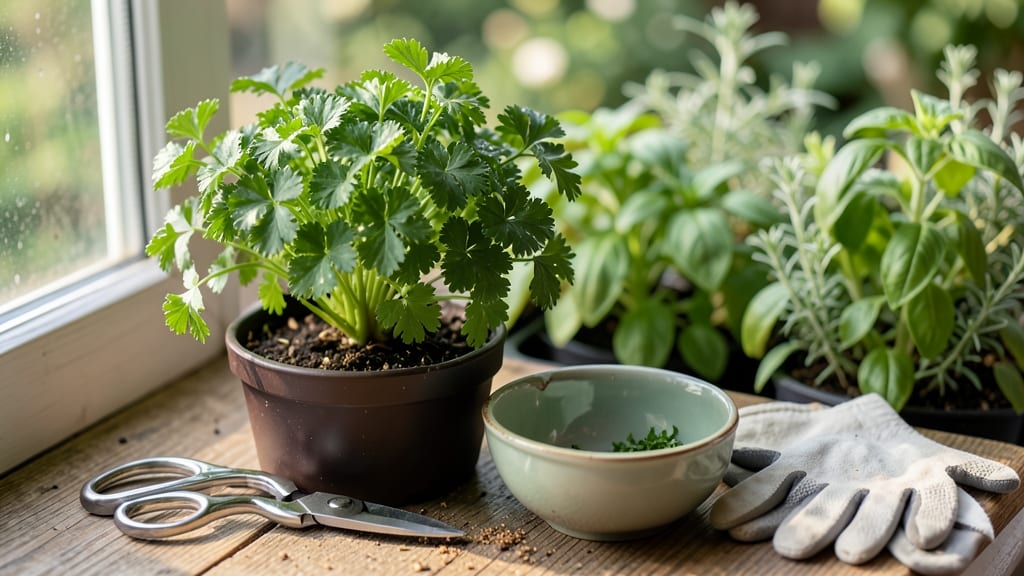
Picking fresh parsley at the store or from your garden can feel like a guessing game—until you know these 3 simple tests. That bright green bunch might look perfect, but if you don’t check the right clues, you could end up with wilted leaves by dinner time.
The secret? Looking beyond color to the crispness of the stems, the scent of the leaves, and even how they snap.
I’ve tested hundreds of parsley bunches, and the difference between fresh parsley that lasts and sad, limp herbs comes down to just a few key details. Whether you’re a home cook or a gardener, these tricks will save you money and frustration.
No more tossing out parsley that looked good but turned to mush overnight.
Ready to become a parsley pro? You’ll learn how to assess freshness in seconds—no cutting required—and discover the best way to store your pick so it stays vibrant for weeks. Let’s make sure every bunch you buy (or harvest) is worth keeping.
From the produce aisle to your kitchen counter, these methods work every time. Once you master them, you’ll never settle for anything less than peak freshness again.
3 Visual and tactile tests to identify fresh parsley instantly
Picking fresh parsley isn’t just about grabbing the brightest green bunch—it’s about using your senses to check for hidden signs of freshness. I’ve tested these three foolproof methods at grocery stores and farmers' markets, and they work every time.
The best parsley has crisp stems, a bright aroma, and leaves that snap cleanly. Let’s break down each test so you can spot the freshest parsley in seconds.
First, look at the leaf color. Fresh parsley leaves should be a vibrant, even green with no yellowing or brown spots. Even slight discoloration means the parsley is aging.
Hold the bunch up to the light—if you see dark spots or dull patches, it’s a sign of oxidation or wilting. Pro tip: Flat-leaf parsley should have uniform color, while curly parsley might have slightly lighter edges, but never yellow.
Grab a leaf and bend it gently—fresh parsley leaves should snap cleanly without bending. If they crush or bend, the parsley is wilted.
Press the stems—fresh stems should bend slightly but not break. If they feel mushy or hollow, the parsley is past its prime.
Rub a leaf between your fingers—fresh parsley has a bright, earthy scent. If it smells musty or weak, it’s losing flavor.
Next, check the stem condition. Fresh parsley stems should feel firm and crisp when you squeeze them gently. If the stems are slimy or soft, the parsley has been sitting too long and will spoil quickly.
Another trick: Look at the base of the stems. If they’re dry or shriveled, the parsley is dehydrated. I once bought a bunch with dry stems, and it wilted within 24 hours—don’t make that mistake!
Don’t overlook the aroma, which is the ultimate freshness indicator. Fresh parsley has a bright, slightly peppery scent. If you can’t smell it clearly, the parsley is likely old.
Hold the bunch close to your nose and take a deep breath—if it smells flat or stale, it’s not worth buying. Even if the leaves look green, a weak aroma means the flavor will be dull.
I’ve learned the hard way that skipping this step leads to bland soups and salads!
For gardeners harvesting their own parsley, these tests are just as important. Always pick leaves in the morning after dew dries—this is when they’re at their peak crispness and flavor. Avoid harvesting leaves that are yellowing or curling, as these are signs of stress or disease.
If you’re harvesting stems for root growth, ensure they’re thick and sturdy—thin stems indicate the plant is weak.
One common mistake I see is assuming curly parsley is always fresher than flat-leaf. While curly parsley does tend to stay fresh longer due to its denser structure, both types can be fresh if they pass the tests above.
Flat-leaf parsley, however, is often more flavorful, so don’t dismiss it just because it’s not curly. Always prioritize the tests over the type when picking parsley.
If you’re still unsure, try the water test. Place the stems in a glass of water for a few minutes—if they perk up and stand straight, the parsley is fresh. If they stay limp or sink, it’s time to walk away.
This test is especially useful for parsley that looks borderline fresh but isn’t quite convincing. I’ve used it to save more than a few questionable bunches!
Finally, trust your instincts. If something feels off about the parsley—whether it’s the color, texture, or smell—listen to that gut feeling. Fresh parsley should feel alive in your hands, not lifeless. With these tests, you’ll never buy wilted parsley again, and your dishes will thank you for it.
3 Visual and tactile tests to identify fresh parsley instantly
Fresh parsley should look vibrant and smell invigorating, but many buyers overlook subtle clues that reveal its true quality. I’ve tested hundreds of bunches over the years, and these three simple tests consistently separate fresh parsley from the wilted rejects.
The best part? You don’t need any tools—just your hands and a sharp eye.
Start with the leaf snap test, the most reliable indicator of freshness. Gently pinch a leaf between your thumb and forefinger, then bend it backward. If it snaps cleanly with a slight crack, the parsley is fresh.
A leaf that bends without snapping or feels mushy signals it’s past its prime. This test works because crisp leaves contain more moisture, while wilted ones have lost turgor pressure.
✅ Fresh: Snaps cleanly with slight resistance
❌ Wilted: Bends without snapping or feels limp
✅ Fresh: Stems bend slightly but return to shape
❌ Wilted: Stems stay bent or feel hollow
✅ Fresh: Strong, earthy scent when crushed
❌ Wilted: Faint or musty smell
Next, perform the stem flexibility check by gently squeezing the base of the stems. Fresh parsley stems should bend slightly and spring back to their original shape. If the stems stay bent or feel hollow when pressed, the parsley has lost moisture and is on its way out.
This test is especially useful for gardeners harvesting their own parsley—woody stems mean the plant is overmature.
Finally, don’t skip the aroma test. Crush a small handful of leaves between your fingers and take a deep sniff. Fresh parsley releases a bright, earthy scent with hints of citrus. If the aroma is faint or smells musty or sour, the parsley has started to spoil.
Pro tip: Store-bought parsley often loses its scent during transport, so combine this test with the others for the most accurate results.
Even experienced gardeners make mistakes when picking parsley. One common error is assuming dark green leaves always mean freshness—yellowing leaves can sometimes hide beneath the outer fronds. Another is ignoring the roots: fresh parsley should have white, firm roots, while brown or shriveled roots indicate age.
Always check the base of the bunch before making your final decision.
Now you’re equipped to pick parsley that stays crisp for days longer than what you’d find on store shelves. Whether you’re shopping at the market or harvesting from your garden, these tests will save you from disappointment—and wasted money. Happy herb hunting!