
Planting
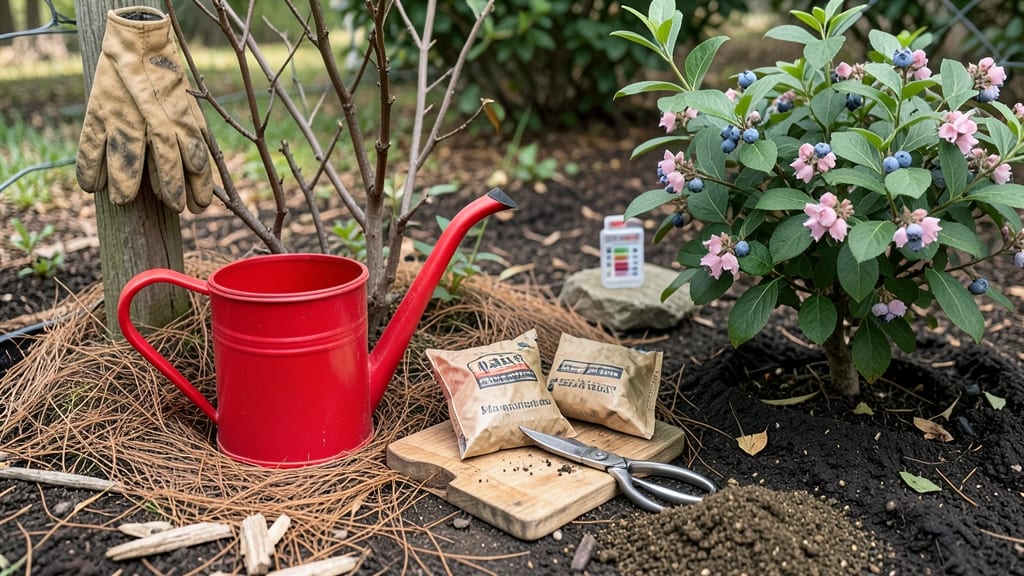
How to bring back a dead blueberry plant isn’t impossible—your bush still has a chance with the right care. 🌿 I’ve nursed back plants that looked as dry as last summer’s mulch, and the secret lies in what’s happening below the soil. Before you give up, check the roots, adjust your care routine, and give it a fighting chance.
Most "dead" blueberry plants suffer from one of three issues: underwatering (or overwatering), compacted soil cutting off oxygen, or root rot from soggy conditions. The good news?
All three are fixable with the right approach. Start by gently digging around the base—healthy roots should be firm and light brown, not mushy or black.
Within weeks, you’ll see new growth if the roots are salvageable. I’ve seen plants bounce back with just proper watering (deep but infrequent) and a layer of organic mulch to protect roots. The key is patience—blueberries are tougher than they look, but they need consistent care to recover.
If the roots are rotted beyond repair, it’s time to replace the plant—but don’t lose hope. Use the space to try a new variety or improve your soil for next season. Either way, you’ll learn what your blueberries truly need to thrive.
Root Causes of Blueberry Plant Decline
Blueberries are resilient, but even the hardiest plants can succumb to stress or neglect. When your once-vibrant blueberry bush looks dead, it’s usually a sign of underlying issues—often fixable if you pinpoint the exact problem.
Understanding why your plant is struggling is the first step to revival. Below, we break down the most common culprits, backed by science, so you can diagnose and act fast.
Blueberries thrive in USDA Zones 4–7, but they’re sensitive to both heatwaves and freezing conditions. Here’s how temperature swings kill them:
- Heat Stress:
Prolonged temperatures above 95°F (35°C) disrupt photosynthesis. Blueberries wilt because their leaves can’t regulate water loss efficiently. The roots may also suffocate if the soil dries out too quickly, cutting off nutrient flow.
Pro tip: 🌡️ Mulch with 3–4 inches of organic matter (wood chips, straw) to insulate roots and retain moisture.
- Cold Damage:
Young plants or those in Zone 3 or lower can suffer cold shock when temps drop below 10°F (-12°C). Ice crystals form in plant cells, rupturing them—a process called freeze-thaw injury. Older plants may survive but produce fewer berries the next season.
Pro tip: ✨ Use burlap wraps or row covers in late fall to protect plants from harsh winds and sudden freezes.
Blueberries are water-loving but drown just as easily as they dehydrate. Here’s how water mismanagement kills them:
| Problem | How It Happens | Signs to Watch For |
|---|---|---|
| Underwatering |
Blueberries need 1–1.5 inches of water per week. Without it, roots shrink and die back, starving the plant. Soil becomes hydrophobic (water-repellent), making recovery harder. |
|
| Overwatering |
Poor drainage or compacted soil leads to root rot, caused by fungi like Phytophthora. Roots suffocate, turning black and mushy, while oxygen deprivation halts nutrient uptake. |
|
Pro tip: 💡 Test your soil’s drainage by digging a hole, filling it with water, and timing how long it takes to drain. If it’s more than 6 hours, amend with sand or perlite.
Blueberries are acid-lovers, thriving in soil with a pH of 4.5–5.5. When pH drifts outside this range, nutrient deficiencies cripple the plant:
- Too Alkaline (pH > 6):
Iron, manganese, and zinc become unavailable to the plant, causing chlorosis (yellowing leaves with green veins). Roots can’t absorb water efficiently, leading to wilting.
- Too Acidic (pH < 4):
While rare, excess aluminum toxicity can occur, damaging root tips and stunting growth. The plant may also leach essential nutrients like calcium and magnesium.
Pro tip: 📊 Use a soil test kit (available at garden centers) to check pH. Adjust with:
- Sulfur or peat moss to lower pH
- Lime to raise pH (use sparingly!)
Blueberries are vulnerable to sap-sucking insects and fungal pathogens that weaken the plant over time. Here’s how they strike:
- Japanese Beetles & Spider Mites:
These pests pierce leaves, draining chlorophyll and leaving skeletonized foliage. Heavy infestations cause leaf drop, starving the plant of energy.
- Root Weevils:
Larvae chew on roots, disrupting water and nutrient uptake. Adults defoliate the plant, making it look dead even if roots are still alive.
- Fungal Diseases (Botrytis, Anthracnose):
Moist conditions encourage gray mold or leaf spots, which clog stomata (pores) and block gas exchange. Infected plants can’t photosynthesize, leading to collapse.
Pro tip: 🔥 Inspect undersides of leaves for pests. Treat with neem oil or insecticidal soap for beetles/mites. For fungi, prune infected branches and apply copper fungicide.
Now that you know the why, the next step is the how. Stay tuned for our 3-step revival plan to nurse your blueberry bush back to health!
Revive Your Blueberry Bush Now
Don’t let that wilted blueberry plant become a sad memory—most "dead" bushes can bounce back with the right care! Below are practical, step-by-step fixes tailored to the most common causes of decline, plus prevention tips to keep your plant thriving long-term. 🌱💪
If your blueberry plant’s roots are drowning in soggy soil, act quickly to prevent root rot.
Step 1: Check the Soil 🌡️
- Dig a small hole (6 inches deep) near the base of the plant.
- Scoop out a handful of soil—if it smells foul or is cold and mushy, drainage is the issue.
Step 2: Improve Drainage 🏗️
- Amend the soil by mixing in:
- 50% peat moss or coconut coir (holds moisture without suffocating roots)
- 30% perlite or coarse sand (prevents compaction)
- 20% compost (for nutrients)
- If planting in a pot, ensure it has drainage holes and use a well-draining potting mix (like a 50/50 blend of peat and perlite).
Step 3: Adjust Watering Habits 💧
- Water deeply but infrequently: Blueberries hate "wet feet."
Aim for 1–1.5 inches of water per week (including rain). - Test moisture by sticking your finger 2 inches into the soil—water only if it’s dry. - Raise the plant slightly by adding a layer of gravel or sand under the pot (if container-grown).
💡 Pro Tip:
If root rot has already set in, prune affected roots (sterilize shears with rubbing alcohol first) and treat with a fungicide like copper fungicide or hydrogen peroxide (3%) to kill pathogens. Replant in fresh, amended soil.
Brown, crispy leaves or a plant that pulls away from the pot? It’s thirsty—and recoverable!
Step 1: Deep Watering 💦
- Soak the root zone until water drains out the bottom (for pots) or seeps 6+ inches into the ground.
- Use a hose with a gentle spray or a watering can with a long spout to reach deep roots.
Step 2: Mulch to Retain Moisture 🌿
- Apply a 2–3 inch layer of organic mulch (pine needles, straw, or shredded bark) around the base.
- Keep mulch 2 inches away from the stem to prevent rot.
Step 3: Adjust for Climate 🌡️
- Morning watering is best—it reduces evaporation and fungal risks.
- In extreme heat, water twice daily (early morning + late evening) until the plant recovers.
🔥 Emergency Fix:
If the plant is severely wilted, submerge the entire pot in water for 10–15 minutes to rehydrate roots. Repeat daily until leaves perk up.
Black spots, moldy stems, or a mushy base? Fungal infections spread fast—but you can stop them.
Step 1: Prune Infected Parts ⚔️
- Cut off all diseased leaves, stems, and roots with sterilized pruners (wipe with 70% isopropyl alcohol).
- Remove fallen leaves/debris from the area to prevent reinfection.
Step 2: Apply Fungicide 🛡️
- Prevention: Spray with neem oil or copper fungicide every 7–10 days during wet seasons.
- Treatment: Use hydrogen peroxide (3% solution) or baking soda spray (1 tsp baking soda + 1 quart water + a drop of dish soap).
Step 3: Improve Airflow 🌬️
- Space plants 3–4 feet apart to reduce humidity around leaves.
- Thin out dense foliage to let air circulate.
🌡️ Prevention
Frequently asked questions
How do I know if my blueberry plant is truly dead or just dormant?
Check for green growth at the base or firm, light brown roots when you gently dig around the plant. If you see any signs of life—even just a few buds—it’s not dead. Blueberries often look dormant in winter or during extreme drought, but they can revive with proper care. If the entire plant is brown and brittle with no green parts, it may be beyond saving.
Can I save a blueberry plant with root rot?
Yes, but you’ll need to act fast! First, prune all mushy, black roots with sterilized shears, then replant in fresh, well-draining soil mixed with 50% perlite or sand. Water lightly for the first week to avoid stressing the remaining roots. If more than 50% of the roots are rotted, it’s often better to start fresh with a new plant.
What’s the fastest way to revive a severely underwatered blueberry bush?
For an emergency fix, submerge the pot in water for 10–15 minutes to fully rehydrate the roots. Repeat daily until leaves perk up. Then, apply a 2–3 inch layer of organic mulch (like pine needles) to retain moisture. Avoid watering again until the top 2 inches of soil feel dry to the touch.
How long does it take to see signs of recovery?
With proper care, you may see new growth within 2–4 weeks, especially if the roots were only stressed (not rotted). If the plant is severely damaged, recovery can take 6–8 weeks. Be patient—blueberries are slow to bounce back, but consistent watering and mulching make all the difference.
Should I fertilize a dying blueberry plant?
Wait until you see new growth before fertilizing—adding nutrients too soon can stress already weak roots. Once recovery starts, use an acid-loving plant fertilizer (like one with 10-10-10 NPK ratio) in early spring. Avoid high-nitrogen fertilizers, which can burn roots.