
Planting
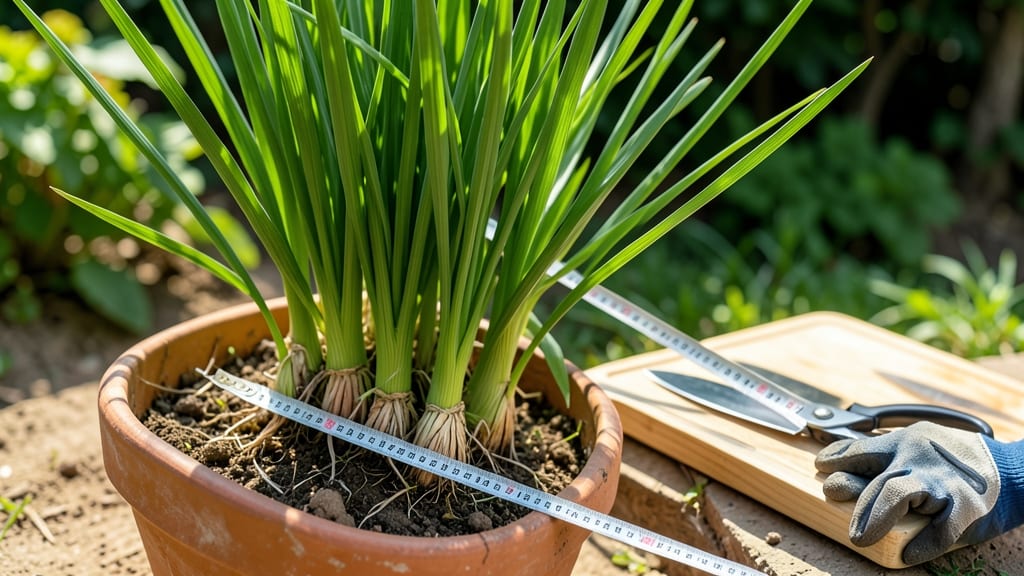
Cutting lemongrass right keeps it thriving for years. ✨ The key is timing—wait until the plant’s at least 12 inches tall with 3-4 stalks, then trim just above a healthy node where new growth will sprout.
I’ve learned the hard way that cutting too low or too early stunts regrowth, but doing it right means a bushier plant in weeks.
You’ll need sharp pruners, rubbing alcohol to sterilize them, and a bucket of water to save the cuttings. Snip the stalks at a 45-degree angle about 1-2 inches above the node—this prevents rot while maximizing new shoots.
Most gardeners skip this detail, but it’s what turns a simple trim into a propagation win.
After cutting, the plant will send out 2-3 fresh stalks within 3-4 weeks, often taller and more vigorous than before. The cuttings you save can root in water or soil, giving you free plants.
Just keep the mother plant in bright, indirect light and water when the top inch of soil dries out.
This method works year-round in warm climates, but if you’re in cooler zones, hold off until spring. The biggest mistake? Over-trimming—never take more than a third of the stalks at once. Your lemongrass will reward you with lush, fragrant regrowth season after season.
📚 In This Guide
- What you need
- Instructions
- Tips and common mistakes
- Wrapping up and next steps
What you need
- ● Healthy lemongrass plant: Choose a mature stalk (at least 12–18 inches tall) with a firm, green base. Avoid yellowing or wilted stems.
- ● Sharp pruning shears or clean kitchen knife: A sterilized tool prevents disease. Alcohol wipes work great!
- ● Well-draining potting mix: A blend of peat moss, perlite, and coconut coir (or 50/50 garden soil + sand) keeps roots happy.
- ● Small pots or containers: 4–6 inch diameter with drainage holes (1 per cutting). Plastic or terracotta works!
- ● Watering can or spray bottle: For gentle hydration—avoid soaking the base.
- ○ Rooting hormone (optional but helpful): Speeds up root growth (e.g., powder or gel like Clonex).
- ● Clear plastic bag or humidity dome: Creates a mini greenhouse to retain moisture.
- ● Fertilizer (low-nitrogen): A balanced 10-10-10 or seaweed-based fertilizer after 4–6 weeks.
- ● Twine or rubber bands: To secure plastic bags if using for humidity.
- ● Gloves: Lemongrass sap can irritate skin—protect your hands!
Step-by-step instructions for cutting and propagating lemongrass
Here’s how I keep my lemongrass thriving by cutting it back—plus how to turn those stems into new plants.
✂️ Step 1: Choose the Right Time and Stems
Wait until your lemongrass is at least 12-18 inches tall and has 3-4 sturdy stalks—this ensures enough energy for regrowth. I always cut in early spring or after harvest, when the plant is actively growing. Avoid cutting during dormancy (winter) or extreme heat, as the plant struggles to recover.
Select 2-3 of the thickest, healthiest stalks for propagation. These should feel firm to the touch and have bright green leaves at the top. The outer stalks are ideal—they’ve matured enough to root while still leaving enough center stalks for the plant to rebound. Use sharp, clean scissors or pruning shears to make a clean cut just above a leaf node (the bump where leaves grow).
🌱 Step 2: Prepare the Stems for Propagation
Remove the lower 2-3 inches of leaves from the cut stalks, leaving a bare stem section. This bare part will sit in water or soil to encourage roots. I like to strip the leaves with my fingers—just pull gently until the leaves come off cleanly. If the stem feels fibrous, a quick rinse under water helps.
Place the prepared stems in a jar of room-temperature water, submerging only the bare stem section (about 1-2 inches). Change the water every 2-3 days to prevent bacteria buildup. You’ll see tiny white roots sprouting in 1-2 weeks—this is your signal that the stem is ready for planting. Keep the jar in bright, indirect light (no direct sun, which can overheat the water).
🪴 Step 3: Plant the Rooted Stems
Once roots reach 1-2 inches long, transfer the stems to small pots filled with well-draining soil. I use a mix of potting soil and perlite (50/50) to prevent root rot. Dig a hole deep enough to bury the entire rooted stem, leaving only the top leaves exposed. Press the soil gently around the stem to secure it.
Water lightly after planting—just enough to moisten the soil without soaking it. Place the pots in a warm, shady spot (65-75°F) for the first week to reduce stress. Avoid direct sunlight until new growth appears, which usually happens in 3-4 weeks. This gradual adjustment helps the plant establish roots without shock.
☀️ Step 4: Care for the Parent Plant and New Cuttings
The parent lemongrass plant will send up new shoots from the base within 2-3 weeks of cutting. Trim any yellow or damaged leaves immediately—they drain energy from the plant. Water the parent plant once a week, letting the soil dry slightly between waterings to prevent rot. Fertilize lightly with a balanced liquid fertilizer every 4-6 weeks during the growing season.
For the new cuttings, gradually introduce them to morning sunlight over 7-10 days. Start with 2-3 hours of sun daily, then increase to full sun once they show new leaf growth. You’ll know they’re thriving when the leaves turn a deeper green and the stems feel sturdy. Once established, these new plants will grow just like the original!
⏰ Step 5: Harvest and Maintain for Long-Term Growth
Harvest the parent plant’s stalks when they reach 12-18 inches tall, cutting just above a leaf node as before. This encourages bushier growth and prevents the plant from becoming woody. I like to harvest every 2-3 months in this way—it keeps the plant productive and manageable. Store cut stalks in the fridge (wrapped in a damp paper towel) for up to 2 weeks or freeze them for later use.
Watch for signs of stress: yellowing leaves mean overwatering, while brown tips signal underwatering or too much sun. If the center stalks die back, the plant is done for the season—simply cut it back to the base in fall and let it rest until spring. With this method, I’ve kept the same lemongrass plant producing for over 3 years—and now I’ve got 4 new plants from cuttings!
Tips & tricks for cutting and propagating lemongrass
Here's what nobody tells you about keeping your lemongrass thriving—and how to multiply your plants without losing the mother plant.
Timing is Everything: The 12-18 inch height requirement isn't just arbitrary—it's when lemongrass has stored enough energy to regrow properly. I've seen people cut too early and end up with a plant that never recovers. Wait until you see those new shoots emerging from the base after cutting, which should happen within 2-3 weeks as mentioned. This is your green light that the plant is happy with the trim.
Leaf Node Location: That leaf node where you make your clean cut is the plant's growth engine. I always look for the bump just above where leaves meet the stem—it should feel slightly raised. Cutting just above this ensures new shoots will emerge from the strongest growth point. If you cut too low, you risk damaging the plant's ability to regrow. A sharp pair of scissors or pruning shears makes all the difference here—dull blades can crush the stem and invite infections.
Water Quality Matters: When preparing your stems for propagation, use filtered or room-temperature tap water that's been sitting out for a few hours. Cold water can shock the stems and slow root growth. I've found that changing the water every 2-3 days prevents that unpleasant algae buildup and keeps the water fresh for your developing roots. You'll notice the roots start as tiny white threads—this is when you know you're on the right track!
Soil Mix Secret: The 50/50 potting soil and perlite mix is crucial for preventing root rot in your new cuttings. Perlite creates those tiny air pockets that roots need to breathe. I've experimented with different mixes and found that adding a handful of sand to this combination helps with drainage. When planting, make sure the hole is deep enough to bury the entire rooted stem—this gives your new plant the best chance to establish itself without toppling over.
Pro Tips for Cut Lemongrass Plant
- Here's what nobody tells you about keeping your lemongrass thriving—and how to multiply your plants without losing th...
- Timing is Everything: The 12-18 inch height requirement isn't just arbitrary—it's when lemongrass has stored enough e...
- Leaf Node Location: That leaf node where you make your clean cut is the plant's growth engine. I always look for the ...
Frequently asked questions
about cutting lemongrass plants can help clarify common concerns—whether you're a beginner or a seasoned gardener. Here are answers to the most pressing questions!When is the best time to cut lemongrass?
The ideal time to cut lemongrass is when it reaches 12–18 inches tall and has at least 3–4 stalks growing together. Aim for spring or early summer when the plant is actively growing. Avoid cutting during dormancy (winter) or extreme heat, as this can stress the plant.
How many stalks should I leave after cutting?
Always leave 3–4 healthy stalks per clump to ensure regrowth. Cutting too aggressively can weaken the plant or prevent it from recovering. If you’re propagating, focus on cutting outer stalks first to preserve the center.
Can I use dried lemongrass stalks for propagation?
No, dried or wilted lemongrass won’t root—fresh, green stalks are essential for successful propagation. If your stalks are brown or brittle, they’ve lost their ability to regenerate. Always use plump, vibrant stalks with tight leaves.
Why isn’t my lemongrass regrowing after cutting?
Regrowth may fail due to poor cutting technique (cutting too low), lack of sunlight, overwatering, or nutrient deficiency. Ensure you’re cutting just above a node and providing bright, indirect light. If needed, fertilize lightly with a balanced plant food.
How long does it take for lemongrass to regrow after cutting?
With proper care, lemongrass typically regrows in 4–8 weeks. New shoots should emerge from the base within 2–3 weeks if conditions (water, light, and soil) are ideal. Patience is key—avoid cutting again until the plant is fully recovered.
Wrapping up and next steps
Cutting and propagating your lemongrass plant is a rewarding way to keep it thriving and share its benefits! 🌱 With the right tools and techniques, you’ll encourage fresh regrowth while expanding your green space.
Now that you’re equipped with the know-how, why not try it this weekend? Start with just one stem—you’ll be amazed at how quickly your lemongrass can multiply and flourish.
For extra inspiration, check out creative ways to use your new lemongrass harvest—whether in cooking, DIY remedies, or gifting to fellow plant lovers! 🌟