
Blooming
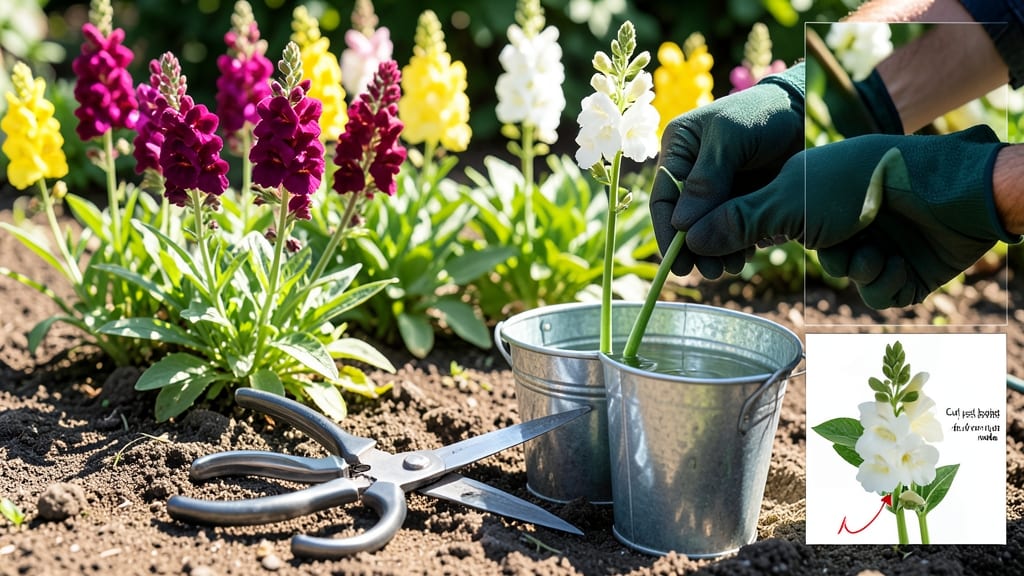
How to cut snapdragons for more blooms—the secret is a simple snip that transforms your plants from seed factories into nonstop bloomers. ✂️ I used to watch my snapdragons put all their energy into seed pods instead of flowers—until I learned the simple cut that changed everything. The secret lies in timing and technique, not fancy tools.
You only need sharp pruners and 10 minutes every few days. When a flower cluster fades but still has green seed pods, snip just above the next set of leaves below the spent bloom. This redirects the plant’s energy to fresh growth and new flowers instead of seed production.
Within 1-2 weeks, you’ll see new buds forming at the base of the plant, and the blooming cycle continues nonstop from spring through fall. The plants stay compact, produce more flowers, and look fuller than ever before.
Works for all snapdragon varieties—tall, dwarf, or trailing types—even in containers. The key is consistency: trim regularly, and your snapdragons will reward you with vibrant color all season long.
📚 In This Guide
- What you need
- Instructions
- Tips and common mistakes
- Wrapping up and next steps
What you need
- ● Sharp pruning shears or garden scissors – Look for bypass-style blades (not anvil) to avoid crushing stems. A 5- to 6-inch blade works best for precision.
- ● Snapdragons in full bloom – Choose healthy plants with at least 3–5 mature flower spikes per stem.
- ○ Clean, sterilized cutting tool (optional but recommended) – A small bottle of rubbing alcohol (70% or higher) to disinfect blades between cuts and prevent disease.
- ○ Garden gloves (optional) – For protection if your snapdragons have thorns or if you prefer a grip.
- ● Water spray bottle or hose (for post-cutting care) – To lightly mist plants after trimming to reduce stress.
- ○ Notebook & pen (optional) – To track cutting dates, bloom cycles, and plant responses for future reference!
- ● Wait until snapdragons are in full bloom – Cutting too early can stunt growth or reduce future blooms.
- ● Choose a dry, sunny day – Avoid trimming after rain or in extreme heat to prevent stress on the plant.
- ● Identify the strongest stems – Prioritize stems with 3+ open blooms and healthy foliage.
Step-by-Step instructions for cutting snapdragons to encourage continuous blooms
Here's how I transform snapdragons from one-time bloomers into vibrant, long-lasting displays.
✂️ Step 1: Identify the Right Blooms to Trim
Snapdragons bloom from the bottom up, so always cut spent flowers from the bottom third of the plant. Look for blooms that have completely faded or whose petals are curling inward—they're ready for removal. I avoid cutting flowers still in bud form, as this encourages new growth lower on the stem.
Use sharp, clean pruners to make cuts at a 45-degree angle, about ¼ inch above a leaf node. This angled cut prevents water from pooling on the stem, which could rot the plant. Never cut into woody stems—focus only on the flowering stalks.
✂️ Step 2: Perform the Deadheading Technique
Deadheading isn't just removing dead flowers—it's redirecting the plant's energy. After cutting a spent bloom, inspect the stem for any remaining buds. If you see unopened buds still attached, trim just above the lowest unopened bud. This ensures the plant puts energy into opening those buds rather than producing seeds.
I like to work in the morning when stems are firm and less likely to snap. Remove only 20-30% of the plant's blooms at once—over-trimming stresses snapdragons and can lead to leggy growth. After trimming, run your fingers along the stems to feel for any hidden buds you might have missed.
🌿 Step 3: Encourage Bushier Growth Through Strategic Pruning
Once you've deadheaded the bottom third, move to the middle section of the plant. Look for stems that have grown longer than 12 inches without branching. Pinch or cut these stems back by ⅓ of their length just above a set of leaves. This triggers lateral branching, creating a fuller, more compact plant with more bloom sites.
Here's the thing—snapdragons respond best to gradual pruning. I never cut more than one-third of the plant's height at a time. After pruning, step back and admire the shape. You want to maintain a balanced silhouette, not a lopsided bush. Water thoroughly after pruning to help the plant recover.
☀️ Step 4: Provide Post-Pruning Care for Maximum Blooms
After trimming, snapdragons need extra nutrients to produce new blooms. I apply a balanced, water-soluble fertilizer (10-10-10 ratio) at half strength immediately after pruning. This gives the plant a quick energy boost without overwhelming it. Fertilize again in 2-3 weeks to support continuous flowering.
Monitor the plant's response over the next 7-10 days. You'll see new buds forming at the leaf nodes where you made cuts. Keep the soil consistently moist but never soggy—snapdragons hate wet feet. If you notice leaves yellowing, reduce watering slightly and check for adequate drainage.
⏰ Step 5: Maintain the Blooming Cycle Through the Season
Repeat the deadheading process every 7-10 days throughout the growing season. Snapdragons bloom continuously when properly maintained, but they do slow down in extreme heat or drought. During hot spells, provide afternoon shade and increase watering frequency to keep stems firm and upright.
As summer progresses, you'll notice some stems becoming woody. These are older growths that won't produce as many blooms. I remove these completely at the base in early fall to encourage fresh, vibrant growth from the base of the plant. This keeps snapdragons looking their best until frost.
Tips & tricks for perfect snapdragon trimming
These precision techniques will transform your snapdragons from seasonal bloomers into year-round showstoppers.
Timing Secret: The 7-10 day deadheading cycle in Step 5 is critical—this matches snapdragons' natural bloom rhythm. I've found that morning sessions after dew dries but before midday heat work best. The stems are firmest then, reducing breakage during the angled cuts. This timing also prevents water stress from evening trimming.
Pruning Precision: When you're working through Step 3 and encountering stems longer than 12 inches, focus on the third point from the top where leaves cluster. This is where lateral buds form most vigorously. I use my thumb to gently press along the stem—you'll feel the nodes where new growth emerges. Cutting just above these points creates the perfect branching stimulus.
Fertilizer Strategy: The 10-10-10 ratio at half strength mentioned in Step 4 is ideal, but timing matters just as much. Apply this immediately after pruning when roots are most receptive to nutrients. I've noticed that adding a tablespoon of Epsom salt to the fertilizer solution gives an extra magnesium boost that prevents yellowing between feedings. This is particularly helpful during the 7-10 day recovery period when new buds form.
Seasonal Adaptation: As you approach Step 5's fall maintenance, watch for stems developing woody texture—these are your plant's way of telling you it's time to reset. I've had success with a final pruning in early September where I cut back all stems to 6 inches above the base. This dramatic reduction forces fresh, vibrant growth that often blooms again in early spring.
Pro Tips for Cut Snapdragons For More Blooms
- These precision techniques will transform your snapdragons from seasonal bloomers into year-round showstoppers.
- Timing Secret: The 7-10 day deadheading cycle in Step 5 is critical—this matches snapdragons' natural bloom rhythm. I...
- Pruning Precision: When you're working through Step 3 and encountering stems longer than 12 inches, focus on the thir...
Frequently asked questions
Got questions about keeping your snapdragons blooming like crazy? You’re not alone! Here are some of the most common questions—and their answers—to help you master the art of precision trimming for endless color.
How often should I cut snapdragons for more blooms?
Trim your snapdragons every 2–4 weeks during the growing season (spring to fall). Consistency is key—regular cuts encourage new growth and blooms. Avoid over-trimming; focus on removing spent flowers and leggy stems to redirect energy to fresh blooms.
When is the best time of day to cut snapdragons?
Early morning is ideal! Cut stems when they’re hydrated and upright (right after dew dries but before the sun peaks). This minimizes stress on the plant and keeps your cuttings fresh longer. If you must cut later, do it in the cool of the evening to avoid wilting.
What if I cut too much off my snapdragon stems?
Don’t panic! If you accidentally trim too much (more than ⅓ of the plant), your snapdragon may take a few weeks to bounce back. Focus on keeping the plant healthy with proper water and sunlight, and new growth will sprout. Avoid heavy cuts in late summer/fall, as the plant may struggle to recover before winter.
Can I use pruning shears or regular scissors for cutting?
Both work, but clean, sharp pruning shears are best—they make precise cuts and reduce damage. Regular scissors can crush stems, leading to slower healing. Sterilize your tools with rubbing alcohol between cuts to prevent disease.
What should I do if my snapdragons stop blooming after cutting?
Check for these common issues:
- Lack of sunlight: Snapdragons need 6+ hours of direct sun daily.
- Overwatering: Let soil dry slightly between waterings to avoid root rot.
- Nutrient deficiency: Feed with a balanced fertilizer every 4–6 weeks.
- Pests/disease: Inspect leaves for aphids, powdery mildew, or wilting.
Wrapping up and next steps
With just a little precision and patience, you can transform your snapdragons into a nonstop blooming powerhouse! 🌸 The key is regular trimming, proper timing, and a gentle touch—your plants will reward you with vibrant, long-lasting flowers.
Now that you’re armed with the know-how, grab those shears and get pruning—your garden’s next burst of color is just a cut away!
Ready to take it further? Try experimenting with deadheading or fertilizing for even more blooms. Happy gardening!