
Pruning
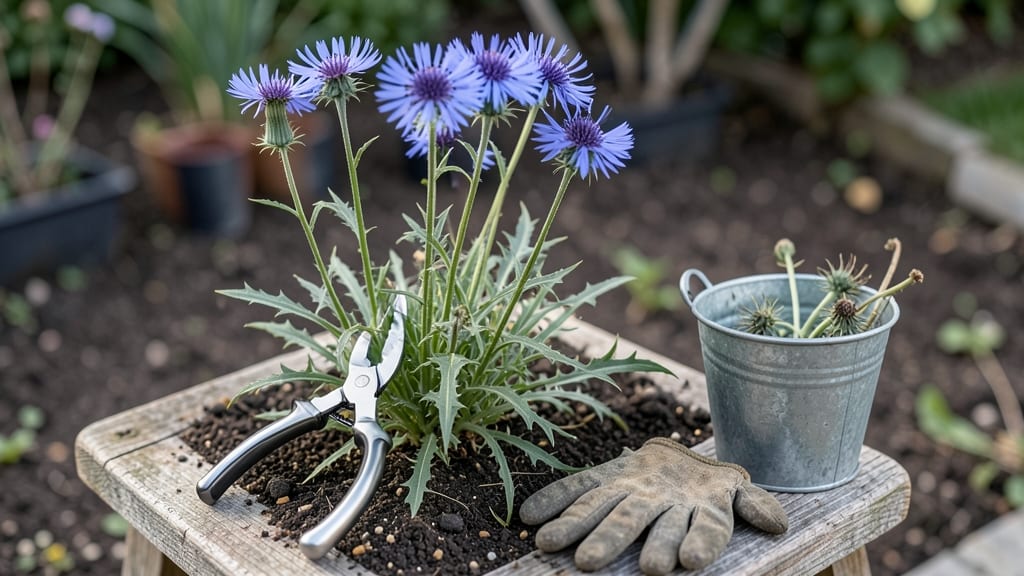
Two quick snips keep cornflowers blooming all season. 🌸 I learned the hard way—skipping deadheading means fewer flowers and leggy plants. These cheerful blue blooms thrive when you remove spent flowers before seeds form, and the process takes less than a minute per plant.
You only need sharp pruners or clean scissors (sterilize with rubbing alcohol if reusing). The goal is to cut just above the next set of healthy leaves or buds, not into woody stems. Timing matters too: deadhead in the morning when flowers are fully open but before seeds swell.
What you get is a cornflower that keeps producing blooms for 3-4 months instead of fading after two weeks. Plants stay compact, resist disease better, and look fuller. The tradeoff? You won't collect seeds for next year's garden. For best results, do this weekly during peak bloom season.
Gloves help if your plants attract aphids—those little pests love cornflower nectar. Now grab those pruners and get snipping!
📚 In This Guide
- What you need
- Instructions
- Tips and common mistakes
- Wrapping up and next steps
What you need
- ● Pruning shears or sharp scissors: Choose a pair with bypass blades (not anvil-style) for clean cuts. A 4- to 6-inch blade is ideal for precision.
- ○ Gloves (optional but recommended): Lightweight gardening gloves protect your hands from thorns and dirt. Opt for nitrile-coated or cotton with a snug fit.
- ● Cornflowers (Centaurea cyanus): Mature plants with spent blooms (wilted or faded flowers). Look for stems with 1–2 inches of healthy growth above the bloom.
- ● Water (for cleanup): A small spray bottle or bucket to rinse tools after use.
- ● Disinfectant spray (70% isopropyl alcohol or hydrogen peroxide): Spray tools before and after use to prevent disease spread.
- ● Compost bin or bucket: For collecting spent blooms and stems.
- ● Knee pad or stool: If your cornflowers are in a large bed or hard-to-reach spot.
- ● Magnifying glass (for close-ups): Helpful if you’re working with tiny or detailed blooms.
Step-by-step instructions for deadheading cornflowers
Two quick snips keep your cornflowers blooming all season—here's exactly how I do it.
🌿 Step 1: Identify the Right Flowers to Trim
Wait until at least 50% of the blooms have opened on each stem. You'll see fully opened flowers with vibrant petals and maybe even buds forming below. I like to work on cloudy mornings when the blooms are still closed—this way, I can see the entire flower structure clearly without disturbing open blossoms.
Look for stems with 3-5 open flowers. These are your best candidates because they've already set seed and won't produce new blooms naturally. The key is to leave some buds unopened so the plant continues flowering. I always leave the topmost bud untouched—this ensures the stem keeps growing and producing.
✂️ Step 2: Make Your First Cut to Remove Spent Blooms
Grab your clean, sharp pruners and position them just above the first open flower that's past its prime. You'll feel a slight resistance—this is where the flower meets the stem. Make a clean cut at a 45-degree angle to prevent water from pooling on the stem, which can cause rot.
Remove all the wilted or faded blooms from that section of the stem. You want to take off everything that's already opened completely. Here's the thing—cornflowers are tough, so you can be a little aggressive. Just avoid cutting into any green growth or unopened buds below. I usually make this cut in one smooth motion to avoid crushing the stem.
🌱 Step 3: Make Your Second Cut to Encourage New Growth
Now look for the next set of buds below your first cut. You'll see small green buds forming—these are your plant's next blooms. Make your second cut just above the lowest unopened bud you want to encourage. This is where the magic happens—the plant will focus its energy on opening these buds instead of wasting resources on seeds from the spent flowers.
This second cut should be straight across rather than at an angle. The goal is to promote new growth from that bud. I always step back and admire the stem after this cut—you can see the potential for more blooms forming right where you made the snip. This is the step that actually extends your cornflower season by weeks.
Tips & tricks for deadheading cornflowers
Here's what nobody tells you about keeping your cornflowers blooming beautifully—these little tricks make all the difference.
Timing Secret: The morning is your best friend for deadheading. Flowers look their freshest then, and you'll spot spent blooms more easily. I've noticed that evening light can make flowers appear healthier than they actually are—don't let that fool you into delaying! Check plants every 2-3 days during peak bloom season to stay ahead of the process.
Tool Technique: Sharp pruners are a game-changer for clean cuts. I always use clean tools to avoid spreading disease between plants. For a quick fix, scissors work in a pinch, but make sure to sterilize them with rubbing alcohol between cuts if you're working with multiple plants. The 45-degree angle in Step 2 isn't just for looks—it creates more surface area for water absorption if you're harvesting blooms.
Growth Hack: That second cut you make about ½ inch above the leaf set is where the magic happens. This small adjustment signals the plant to produce new side shoots from that node. I've seen new growth appear within just 2-3 weeks after making this precise cut. The key is leaving enough stem—don't cut too close to the leaves or you'll stunt new growth.
Seasonal Strategy: During hot, dry weather, give your cornflowers a light misting after deadheading. This simple step helps plants recover faster and prevents stress. I've noticed that plants misted after deadheading show new buds forming within 7-10 days, while those that aren't misted take longer to bounce back. It's especially important during peak bloom time (late spring to early fall).
Pro Tips for Deadhead Cornflowers
- Here's what nobody tells you about keeping your cornflowers blooming beautifully—these little tricks make all the dif...
- Timing Secret: The morning is your best friend for deadheading. Flowers look their freshest then, and you'll spot spe...
- Tool Technique: Sharp pruners are a game-changer for clean cuts. I always use clean tools to avoid spreading disease ...
Frequently asked questions
Got questions about deadheading cornflowers? You’re not alone! Here are some of the most common queries—plus quick, actionable answers to keep your blooms thriving.
When is the best time to deadhead cornflowers?
Deadhead cornflowers after they’ve finished blooming but before the seed pods form. Aim for early morning when the flowers are dry—this prevents mildew and makes cleanup easier. Repeat every few days during peak bloom season (late spring to early fall) for continuous flowers.
Do I need special tools to deadhead cornflowers?
Nope! A sharp pair of hand pruners or even clean garden shears will work. Avoid dull tools—they can crush stems and stress the plant. For large batches, a small pair of bypass pruners (like Felco or Fiskars) is ideal. Pro tip: sterilize your tools with rubbing alcohol between plants to prevent disease.
What if I skip deadheading—will my cornflowers still bloom?
Yes, but you’ll get fewer flowers and more seed pods. Deadheading redirects the plant’s energy into producing new blooms instead of seeds. If you’re growing cornflowers for their wild, natural look, skipping it is fine—but expect shorter peak seasons and more self-seeding.
My cornflowers look leggy after deadheading. What went wrong?
Leggy growth usually means too much shade or over-pruning. Always leave at least 2–3 sets of leaves below the cut to support photosynthesis. If the issue persists, move plants to full sun (6+ hours/day) and fertilize lightly with a balanced 10-10-10 formula. Avoid cutting back more than 1/3 of the plant at once.
Can I use deadheaded cornflower stems for anything?
Toss them into dried flower arrangements (they hold their shape well) or compost them for nutrient-rich soil. If you’re feeling crafty, strip the petals for potpourri or use the stems in homemade wreaths. Just avoid composting if the flowers show signs of disease.
Wrapping up and next steps
Deadheading cornflowers is a simple, rewarding task that keeps your garden vibrant and full of blooms all season long! 🌸 With just a pair of clean shears and a few minutes of your time, you’ll encourage healthier plants and stunning displays. Now that you’re armed with the know-how, why not take a stroll through your garden and give those spent blooms a fresh trim?
Ready to level up your gardening game? Next, explore other pruning techniques or dive into seasonal care tips to keep your garden thriving year-round!