
Pruning
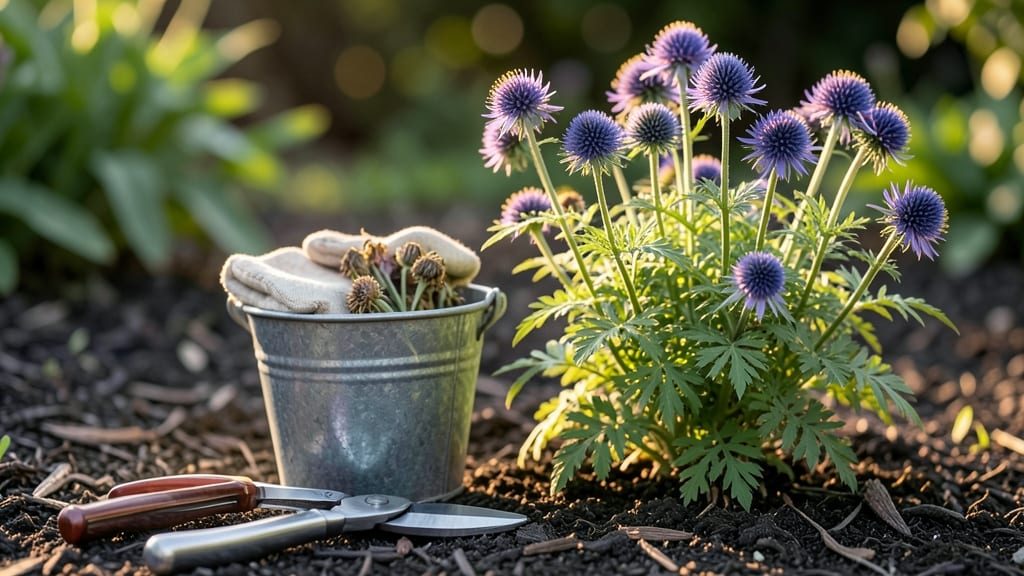
Deadheading Scabiosa turns a single bloom into a fountain of flowers. ✨ The secret lies in timing and technique—remove faded blooms just as they start to brown, and you’ll trigger a cascade of fresh buds that keep your garden vibrant through late summer.
You only need two things: sharp pruners (or clean fingers) and a clear morning to work. The goal is to cut right below the spent bloom, but not so low you nick the next set of buds hiding beneath. Scabiosa’s delicate stems need gentle handling—think precision, not brute force.
By mid-July, your plants will reward you with dense clusters of new blooms, and the process takes just 5-10 minutes per plant. The key is consistency: check weekly, and you’ll extend blooming by 4-6 weeks compared to plants left unpruned.
For perennials, stop deadheading by late August to let the plant store energy for next year. Annuals can handle light pruning until frost. Avoid cutting into woody stems—Scabiosa blooms on new growth, so always aim for the soft green tissue just below the flower.
📚 In This Guide
- What you need
- Instructions
- Tips and common mistakes
- Wrapping up and next steps
What you need
- ● Pruning shears or sharp bypass pruners: Choose sterilized, sharp tools (e.g., Felco F-2 or similar) to avoid damaging stems or spreading disease. Size: 5–7 inches for precision.
- ● Garden gloves: A pair of nitrile-coated or leather gloves (size medium/large) to protect your hands from thorns and dirt.
- ● Disinfectant (70% isopropyl alcohol or bleach solution): 1 part bleach + 9 parts water for cleaning tools between cuts.
- ● Bucket or trash bag: A 1–2 gallon container for collecting spent blooms and debris.
- ○ Water spray bottle (optional but helpful): A 16 oz. bottle with water to mist stems post-pruning for hydration.
- ● Hand lens (magnifying glass): For spotting hidden pests or inspecting stems up close.
- ● Compost bin or bag: To recycle pruned blooms into nutrient-rich compost.
- ● Hose with nozzle: For rinsing off tools and gloves after use.
- ● Knee pad or stool: If your Scabiosa is tall or ground-level pruning is uncomfortable.
Step-by-Step instructions for deadheading Scabiosa
Here's how to keep your pincushion flowers blooming all season long with simple, effective trimming.
✂️ Step 1: Identify Mature Blooms Ready for Trimming
Wait until at least 50% of the flower head has opened fully and begun to fade. Scabiosa blooms start as tight, spherical buds that unfurl into delicate petals. The perfect time to deadhead is when the center turns brown or papery—this signals the bloom is spent and energy can redirect to new growth.
Gently grasp the stem just below the faded bloom with your thumb and forefinger. You'll feel a slight thickening where the flower attaches—this is your natural cutting line. Avoid grabbing the stem too high or too low, as you want to leave room for new buds to form from the next set of leaf nodes.
✂️ Step 2: Make Clean Cuts at the Right Angle
Use sharp, clean pruners or shears to make your cut at a 45-degree angle, about ¼ inch above a leaf node or side branch. This angled cut prevents water from pooling on the stem, which could rot the plant. If you're working with your fingers, pinch the stem cleanly at the same angle—just be careful not to crush the tender new growth below.
Here's the thing—I always check the stem after cutting. If you see any fuzzy white growth (mold) or slimy residue, that's a sign your tools weren't clean. Wipe them down with rubbing alcohol between cuts to keep your plants healthy. You'll notice the stems look fresh and crisp after a proper trim, not jagged or torn.
☀️ Step 3: Encourage New Growth with Proper Aftercare
After deadheading, give your scabiosa a light drink of water at the base to help it recover from the minor stress of trimming. You won't need to fertilize immediately, but if you notice the plants looking a bit droopy or the new buds aren't forming within 10-14 days, add a balanced liquid fertilizer at half strength. This gives them a gentle boost without overwhelming the roots.
Watch for new buds forming at the leaf nodes where you made your cuts. They'll appear as tiny green bumps that gradually swell into new flower heads. If you're working in hot weather, deadhead in the early morning or late afternoon to reduce stress on the plant. The cooler temperatures help it recover faster and prevent wilting.
🌿 Step 4: Maintain the Plant Through the Season
Repeat the deadheading process every 7-10 days as blooms fade throughout the summer. You'll see a steady stream of fresh flowers if you stay on top of it—my scabiosa plants have bloomed continuously from June through September with regular maintenance. The key is consistency; don't let more than 20% of blooms go to seed before trimming.
As summer progresses, you might notice the stems getting leggy or the leaves yellowing. This is your plant's way of saying it's time for a light pruning. Trim back the entire plant by one-third in mid-summer to encourage bushier, more compact growth. Just be sure to do this after a good watering so the plant has moisture reserves to recover.
Tips & tricks for perfect Scabiosa deadheading
Keeping your pincushion flowers blooming all season takes just a few key tricks—and avoiding these common mistakes will make all the difference.
Timing is Everything: The 50% bloom rule in Step 1 is your golden guide, but here's what I've learned: Wait until the center turns completely brown, not just slightly faded. I used to trim too early, and the flowers would still wilt within days. The brown center is your cue that the bloom has fully spent its energy. Also, if you're dealing with a heatwave, wait until late afternoon when the plant has recovered from midday sun.
Tool Prep Prevents Problems: Sharp, clean tools are non-negotiable for Step 2. I keep a small bottle of rubbing alcohol in my gardening toolkit specifically for this purpose. Before each cutting session, I wipe down my pruners with a paper towel dipped in alcohol. This prevents the spread of fungal spores that can cause stem rot. If you don't have alcohol, a 10-minute soak in a 1:10 bleach-water solution works too—just rinse thoroughly before use.
Aftercare Accelerates Results: That light drink of water in Step 3 is more important than it seems. I've found that giving your scabiosa a quick watering right after deadheading helps it recover faster, especially in dry climates. For the fertilizer boost mentioned, I use a 10-10-10 balanced formula at half strength—it's gentle enough for regular use but strong enough to make a difference. The key is consistency: I apply it every 10-14 days along with my regular watering schedule.
Seasonal Maintenance Matters: The mid-summer one-third trim in Step 4 is your plant's reset button. I always do this after a good rain or thorough watering to ensure the roots have enough moisture to support new growth. Pro tip: If you notice your scabiosa getting leggy, you can do a lighter trim every 3-4 weeks instead of waiting for the full one-third cut. This keeps the plant compact and encourages more blooms throughout the season.
Pro Tips for Deadhead Scabiosa
- Keeping your pincushion flowers blooming all season takes just a few key tricks—and avoiding these common mistakes wi...
- Timing is Everything: The 50% bloom rule in Step 1 is your golden guide, but here's what I've learned: Wait until the...
- Tool Prep Prevents Problems: Sharp, clean tools are non-negotiable for Step 2. I keep a small bottle of rubbing alcoh...
Frequently asked questions
Got questions about deadheading Scabiosa? You’re not alone!
Here are answers to the most common concerns—so you can keep your pincushion flowers thriving all season long.
When is the best time to deadhead Scabiosa?
Deadhead Scabiosa as soon as blooms fade to encourage new flowers. Aim for morning hours on dry days—this prevents fungal issues and gives stems time to heal before evening moisture sets in. Repeat every 2–3 days during peak bloom (late spring to fall) for continuous color.
How often should I deadhead Scabiosa?
Frequency depends on your climate and blooming pace. In hot summers, check plants daily and trim spent blooms immediately. In cooler regions, every 3–4 days is usually sufficient. Over-deadheading won’t harm the plant—just stay consistent!
Can I use scissors or should I pinch by hand?
Both work, but sharp, clean pruners (or clean scissors) are ideal for thick stems. For delicate stems or small batches, pinching by hand is fine—just avoid crushing leaves. Disinfect tools between cuts to prevent disease spread (rubbing alcohol works great!).
What if it rains right after deadheading?
Don’t stress! Light rain won’t hurt your Scabiosa if you’ve made clean cuts. However, avoid deadheading within 2–3 hours of a forecasted downpour to let stems dry slightly. If stems rot, trim back to healthy tissue and monitor for fungal signs (like brown spots).
Will deadheading stunt my Scabiosa growth?
No—deadheading promotes bushier, longer blooming! The key is cutting just above a leaf node (where new growth emerges). If you’re worried, try deadheading only half the plant at first to see how it responds. Over time, you’ll notice more flowers and fuller foliage!
What if my Scabiosa stops blooming after deadheading?
Check these fixes:
- Light: Ensure it gets full sun (6+ hours/day)—shady spots reduce blooms.
- Water: Drought stress can halt flowering; water deeply 1–2x/week.
- Fertilizer: Use a balanced, low-nitrogen feed (like 10-10-10) every 4–6 weeks.
- Pests: Inspect for aphids or spider mites—spray with soapy water if needed.
Wrapping up and next steps
Deadheading Scabiosa is a simple yet rewarding task that keeps your garden vibrant all season long!
With just a few tools and a little patience, you can encourage lush, continuous blooms and enjoy the beauty of your pincushion flowers for months. Now that you’re armed with the know-how, grab those pruners and give your plants the care they deserve!
🌸 Next step: Schedule a quick check every 1-2 weeks to keep your Scabiosa thriving. Happy pruning—your garden will thank you! 🌿