
Propagation
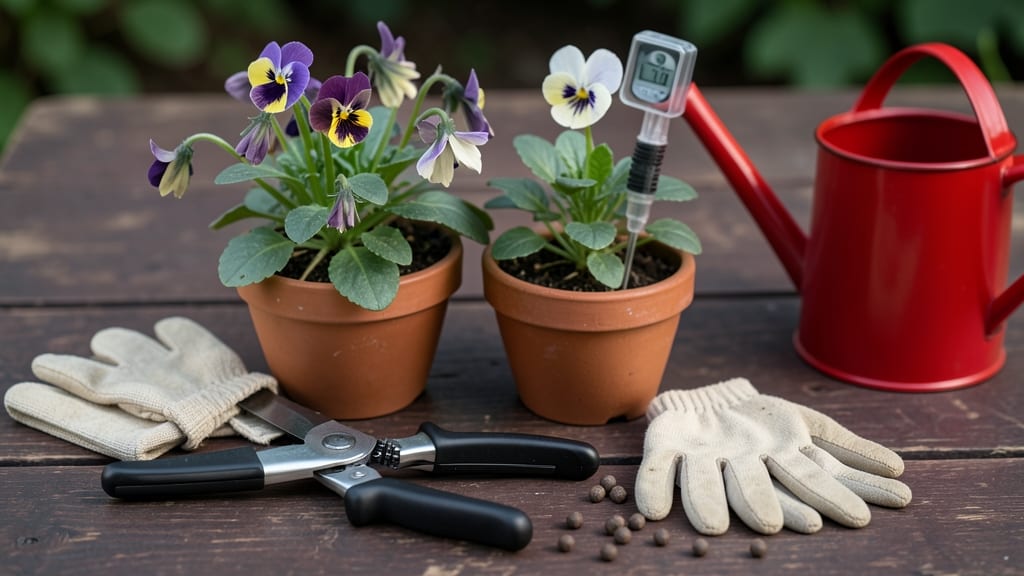
How to keep pansies from getting leggy—it starts with understanding their desperate need for light and care. 🌱 Those stretched stems and sparse blooms mean your plants are begging for better conditions, but the fix is simpler than you’d think: prune, pinch, and adjust care before it’s too late.
The real culprits? Too little sunlight, overcrowding, or inconsistent watering. Most gardeners overlook light first—pansies need 6-8 hours of sun daily, but they’ll stretch toward any light source if deprived.
Pinching back leggy stems encourages bushier growth, while proper spacing prevents competition for nutrients. Think of it like giving your plants a haircut and a spa day.
Start by snipping stems just above a leaf node with clean shears—this triggers branching. Transplant crowded plants into 6-inch pots or beds with 12-inch spacing, and move them to brighter spots.
Within 2-3 weeks, you’ll see new, compact growth with more blooms. The secret? Consistency in light, water, and pruning.
Season matters too: legginess peaks in late summer when days shorten. For winter pansies, reduce watering slightly and protect them from harsh winds. With these tweaks, your pansies will stay compact, vibrant, and blooming—no more sad, stretched-out plants begging for help.
📚 In This Guide
- What you need
- Instructions
- Tips and common mistakes
- Wrapping up and next steps
What you need
- ● Clean, sharp pruning shears or scissors – Why? Dull tools can crush stems and invite disease. Opt for bypass pruners (ideal for small stems) or sterilized scissors (if you’re pinching by hand).
- ○ Gloves (optional but recommended) – Lightweight gardening gloves protect your hands from thorns or sap. Bonus: They keep your hands clean!
- ● Well-draining potting mix or garden soil – Use a high-quality, peat-based mix (e.g., 50% potting soil + 50% perlite/sand) to prevent root rot and legginess.
- ● Balanced, water-soluble fertilizer (10-10-10 or 20-20-20) – Dilute to half-strength to avoid burning delicate pansy roots. Look for low-nitrogen, high-phosphorus options (e.g., 5-10-10) to encourage blooms.
- ● Watering can with a fine rose nozzle – Avoid overhead watering to prevent fungal diseases like powdery mildew.
- ● Spray bottle (for seedlings) – Mist lightly to keep young pansies hydrated without disturbing the soil.
- ● Growth regulator (e.g., B-Nine or Paclobutrazol) – Apply sparingly (follow label instructions) to slow stem elongation in stubborn leggy pansies.
- ● Reflective mulch or aluminum foil – Place around the base to deter pests and boost light exposure for compact growth.
- ● Grow lights (LED or fluorescent) – 12-16 hours/day if growing indoors or in low-light conditions.
- ● Compost or worm castings – Mix into soil for extra nutrients and microbial activity.
- ● Plant labels – Track varieties if you’re experimenting with different pansy types!
Step-by-Step instructions for pruning and pinching leggy pansies
Leggy pansies ruin the neat, compact look you planted for—here’s how to fix them fast.
✂️ Step 1: Identify and Remove Overgrown Stems
Start by examining your pansies for stems that have stretched tall and thin, with leaves spaced far apart. These leggy stems need pruning to encourage bushier growth. Use clean, sharp pruning shears to cut just above a set of healthy leaves or a leaf node—this is where new growth will emerge. I always make cuts at a 45-degree angle to prevent water from pooling on the stem, which could cause rot.
Remove any stems that are completely bare or have yellowed leaves—these won’t recover and will only drain energy from the plant. If a leggy stem has a few healthy leaves, you can still prune it back to encourage branching. Just don’t cut more than one-third of the plant’s total foliage at once, or you’ll shock the pansy into dormancy.
🌱 Step 2: Pinch Back New Growth for Bushier Habit
Once you’ve pruned the leggy stems, focus on the new growth that emerges. When the pansy produces a stem that’s about 4-6 inches tall and has 3-4 sets of true leaves, pinch off the very top set of leaves with your fingers or shears. This forces the plant to branch out instead of growing taller, creating a fuller, bushier appearance.
Pinching works best when done consistently. I like to do this every 2-3 weeks during the growing season, especially after pruning. You’ll notice new side shoots forming within 7-10 days—these are your bushy new growth points. Avoid pinching flowers or buds, as this will reduce blooming. Focus only on the topmost leaves of healthy stems.
☀️ Step 3: Adjust Light and Fertilizer for Stronger Growth
Leggy pansies often grow that way because they’re not getting enough light or nutrients. Move your pansies to a spot where they receive 4-6 hours of direct sunlight daily, but avoid harsh afternoon sun, which can scorch delicate petals. If you’re growing them in containers, rotate the pots every few days so all sides get even light exposure—this prevents leaning and encourages uniform growth.
Feed your pansies with a balanced, water-soluble fertilizer (like 10-10-10) every 3-4 weeks during the growing season. Dilute the fertilizer to half-strength to avoid burning the roots. You’ll see stronger, sturdier stems within 2-3 weeks of consistent feeding. Avoid over-fertilizing, though—this can lead to excessive leaf growth at the expense of flowers.
💧 Step 4: Water and Mulch for Optimal Health
Leggy growth can also result from inconsistent watering. Water your pansies deeply once or twice a week, depending on your climate, ensuring the top 1-2 inches of soil stay moist but not soggy. Water at the base of the plant in the morning to allow foliage to dry quickly, reducing the risk of fungal diseases like powdery mildew. Avoid overhead watering, which can weaken stems and encourage legginess.
Apply a 1-2 inch layer of mulch around the base of your pansies to retain moisture and regulate soil temperature. I use shredded bark or straw mulch, as these break down slowly and improve soil structure over time. Mulching also suppresses weeds, which compete with pansies for nutrients and light. Replenish the mulch every few months to maintain its effectiveness.
Tips & tricks for pruning and pinching leggy pansies
Here's what nobody tells you about transforming your leggy pansies into lush, compact bloomers.
Precision Pruning: When you're cutting those leggy stems in Step 1, look for the leaf node just below the leggy section—this is where new growth will emerge. I've found that using clean, sharp pruning shears makes all the difference. Dull blades can crush stems and invite disease. The 45-degree angle isn't just for looks; it helps water run off, preventing rot at the cut site. Remember, you're not just cutting—you're redirecting the plant's energy toward stronger, bushier growth.
Pinching Technique: In Step 2, when your new growth reaches 4-6 inches with 3-4 sets of leaves, pinch off the very top set between your thumb and forefinger. This might feel counterintuitive, but trust me—you're encouraging the plant to branch out. I've seen pansies go from sparse to full in just 7-10 days after consistent pinching. The key is patience: don't pinch too early, and never pinch flowers or buds—this will reduce blooming and set you back.
Light Exposure Strategy: The 4-6 hours of direct sunlight in Step 3 is non-negotiable for compact growth. I've learned this the hard way—pansies in shade become leggy and sparse. Position them where they get morning sun and gentle afternoon light. For container pansies, rotate the pots every few days to ensure even growth. This simple step prevents that lopsided, stretched look that ruins the neat appearance you're aiming for.
Fertilizer Timing: When you apply that balanced fertilizer every 3-4 weeks, remember to dilute it to half-strength. I've seen beginners overdo it, leading to excessive leaf growth at the expense of flowers. The goal is stronger stems, not more foliage. You'll notice the difference in just 2-3 weeks—sturdier plants that resist legginess and produce more blooms. And always feed in the morning so the plants can absorb nutrients before the heat of the day.
Pro Tips for Keep Pansies From Getting Leggy
- Here's what nobody tells you about transforming your leggy pansies into lush, compact bloomers.
- Precision Pruning: When you're cutting those leggy stems in Step 1, look for the leaf node just below the leggy secti...
- Pinching Technique: In Step 2, when your new growth reaches 4-6 inches with 3-4 sets of leaves, pinch off the very to...
Frequently asked questions
Got questions about keeping your pansies compact and blooming like a pro? You’re not alone! Here are some of the most common concerns—and straightforward answers—to help you grow lush, leggy-free pansies every season.
Why do pansies get leggy in the first place?
Pansies stretch out (or "get leggy") when they’re craving sunlight or starved for nutrients. Overcrowding, poor spacing, or weak light triggers this growth spurt. Think of it like a plant version of reaching for the sun—without enough support, they flop! Pinching and pruning redirect their energy to bushier, stronger stems.
When is the best time to pinch or prune pansies?
Timing is key! Pinch back leggy stems early in the season (spring or early fall) when plants are young and actively growing. Avoid pruning during hot spells or dormancy—wait until temps are mild (50–70°F). For container pansies, you can pinch anytime they start looking sparse, but stop by mid-summer to avoid stressing them before winter.
How much should I cut back when pruning leggy pansies?
Don’t go overboard! Trim back 1/3 of the leggy stems to just above a leaf node (where new growth emerges). Avoid shearing too close to the base—this can shock the plant. For severely stretched stems, cut them just above a set of leaves to encourage branching. Think of it like giving your pansies a haircut that stimulates regrowth!
Can I use fertilizer to prevent leggy growth instead of pruning?
Fertilizer helps, but it’s not a replacement for pruning. Use a balanced, water-soluble fertilizer (10-10-10) every 2–3 weeks to boost growth, but pair it with pinching for best results. Over-fertilizing can lead to soft, floppy stems, so follow package instructions. For organic options, try compost tea or fish emulsion—both promote sturdy growth!
What if my pansies are already super leggy—can I still save them?
Start by pruning aggressively (cutting back 50% of the height) and thinning crowded stems to improve airflow. Move them to a sunnier spot (6+ hours of light daily) and reduce watering slightly to encourage root strength. Within 2–3 weeks, you’ll see new growth. For extreme cases, consider replanting cuttings in fresh soil—sometimes a reset is all they need!
Pro Tip:
Want to prevent leggy pansies next season? Start with proper spacing (6–12 inches apart) and choose compact varieties like ‘Matrix’ or ‘Cool Wave.’ Deadheading spent blooms also signals the plant to focus on new growth, not seed production!
Wrapping up and next steps
Keeping your pansies bushy and blooming starts with simple, consistent care—pruning, pinching, and proper sunlight are your best friends! 🌿 With these techniques, you’ll enjoy vibrant, leggy-free plants that keep flowering all season.
Now that you’re armed with the know-how, grab those shears and get ready to transform your garden into a blooming paradise.
Ready to take the next step? Try experimenting with deadheading or adding a light fertilizer to give your pansies an extra boost. Happy gardening! 🌸