Flowers
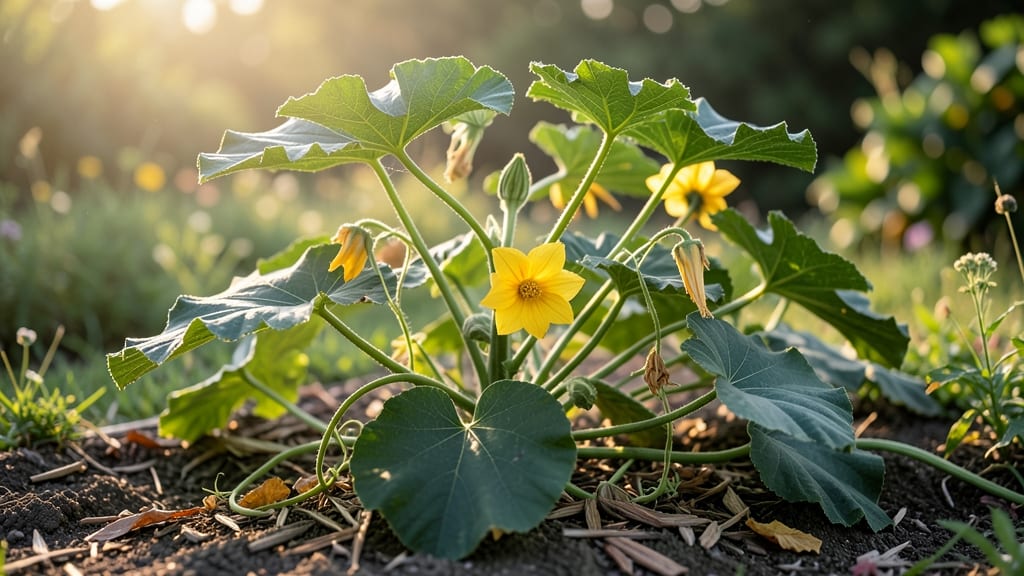
How to get female pumpkin flowers—here’s the secret to coaxing your vines into producing more fruit. 🌱 I’ve grown pumpkins for years, and the key isn’t just sunshine and water—it’s understanding the plant’s growth stages and giving it the right conditions to shift from leafy growth to fruit production. Most gardeners overlook this, but a few simple adjustments can double your harvest.
The key starts with balanced nutrition—too much nitrogen makes plants leafy but sterile, while phosphorus and potassium encourage flowering. Prune aggressively when vines hit 6 feet to redirect energy, and watch for male flowers first (they appear alone on long stems)—these are your plant’s warm-up act.
Female flowers show up later with a tiny fruit at their base, and that’s when you know you’re on the right track.
By mid-summer, you’ll see a steady stream of female flowers if you’ve pruned correctly and kept the soil warm (pumpkins hate cold roots). The trick is consistency: water deeply but avoid soggy soil, and mulch to keep roots cool.
Once those female blooms appear, hand-pollinate them with a paintbrush if bees are scarce—your future pumpkins depend on it.
This method works for all pumpkin varieties, from small sugar pies to giant jack-o’-lanterns. The payoff? A vine that goes from leafy monster to fruit-producing powerhouse in just a few weeks. Ready to transform your patch?
📚 In This Guide
- What you need
- Instructions
- Tips and common mistakes
- Wrapping up and next steps
What you need
- ● Pumpkin seeds or seedlings: Choose Cucurbita pepo (summer squash), Cucurbita moschata (butternut), or Cucurbita maxima (winter squash) varieties. Start with 3–5 healthy seeds or seedlings per plant for optimal female flower production.
- ● Well-draining potting mix or garden soil: A blend with 50–60% compost and 30–40% coconut coir or peat moss ensures nutrients and aeration. For containers, use a 5-gallon pot minimum (bigger is better!).
- ● Fertilizer: Balanced organic fertilizer (10-10-10 or 5-5-5): Apply 1 tbsp per plant at planting, then every 2–3 weeks during the growing season.
- ● High-phosphorus fertilizer (e.g., bone meal): Use 1 tbsp per plant when vines start running to boost flowering (💡 Pro tip: Phosphorus = more female flowers!).
- ● Watering can or hose with adjustable nozzle: Pumpkins need 1–2 inches of water per week, especially during flowering (aim for deep watering at the base).
- ● Pruning shears or sharp scissors: Clean, sterilized tools (rubbing alcohol wipe) prevent disease spread.
- ○ Support structures (optional but helpful): Trellis, cage, or sturdy stakes for vines (if growing vertically).
- ● Plastic or burlap strips to hand-pollinate flowers (if bees are scarce).
- ● Sunlight: Full sun (6–8+ hours daily) is a must—pumpkins are sun-worshippers!
- ● Warmth: Soil temps should be at least 70°F (21°C) for seeds to germinate.
- ● Space: Vines spread 10–20 feet (or more!), so plan for 50+ sq ft per plant in the garden.
- ● Patience: Female flowers appear 4–6 weeks after planting (earlier in warm climates).
Step-by-Step instructions for encouraging female pumpkin flowers
Here's the method I've used to double my pumpkin yields—focused pruning and strategic care that actually works.
🌱 Step 1: Identify and Preserve the Main Vine
Pumpkin plants produce both male and female flowers, but female flowers only form fruit when pollinated. The key is to give your strongest vine the best chance by removing competition. Start by selecting the healthiest, most vigorous main vine—this is typically the first stem emerging from the seed. Use clean, sharp pruning shears to cut back any weak or diseased side vines growing from the base.
Real talk: If you have more than one strong vine, choose the one with the most leaves and darkest green color. You'll see the difference in growth speed within days. The main vine should have at least 6-8 inches of stem before you start pruning side shoots, as this gives it the energy to produce more female flowers.
✂️ Step 2: Prune Male Flowers to Redirect Energy
Male pumpkin flowers appear first and have long, thin stems with no swelling at the base. Female flowers, on the other hand, have a small pumpkin-shaped swelling at their base. Once your plant starts flowering, remove all male flowers by twisting them off gently in the morning—this is when they're still closed and easier to handle. Male flowers are energy vampires; removing them forces the plant to focus on producing female flowers.
I know it seems counterintuitive to remove flowers, but here's the thing—each male flower represents energy the plant could be using to develop female flowers. Aim to remove at least 50% of male flowers during peak blooming. If you're unsure which is which, wait until the flower opens fully before deciding—female flowers will show their swelling by late morning.
☀️ Step 3: Optimize Pollination Conditions
Female flowers need successful pollination to set fruit, and pumpkin plants often rely on bees for this. To encourage pollinators, place your pumpkin patch near flowering herbs or other bee-friendly plants. If bees are scarce, hand-pollinate by transferring pollen from male flowers to female flowers using a small paintbrush or cotton swab. Do this in the morning when flowers are fully open and dew has dried.
Here's the moment that matters: After pollination, watch for the small pumpkin swelling at the base of the female flower to grow noticeably within 3-5 days. If it doesn't, the pollination may have failed, and you can remove the flower to redirect the plant's energy. Keep the area around your pumpkins free of weeds and well-watered—1-2 inches of water per week—to support healthy flower production.
🌿 Step 4: Fertilize Strategically for Flower Production
Pumpkins are heavy feeders, and their flowering phase demands extra nutrients. Use a balanced fertilizer with equal parts nitrogen, phosphorus, and potassium (like a 10-10-10 formula) when the plant starts flowering. Apply it according to package instructions, but don't overdo it—too much nitrogen promotes leafy growth at the expense of flowers. Instead, focus on phosphorus, which encourages root and flower development.
I like to add a handful of compost around the base of the plant every 2-3 weeks during the flowering phase. This provides slow-release nutrients without the risk of burning the roots. You'll see stronger, more abundant female flowers within 7-10 days of applying the fertilizer, provided the plant is also getting enough sunlight (8+ hours daily).
⏰ Step 5: Monitor and Adjust for Continuous Flowering
Pumpkin plants produce flowers in waves, and their energy fluctuates throughout the season. If you notice a drop in female flower production, it's time to intervene. Prune any overly aggressive side vines that are stealing energy from the main vine, and ensure the plant isn't water-stressed. Wilting leaves or yellowing foliage are signs the plant needs more water or nutrients.
This is the final push: By late summer, focus on protecting your female flowers from pests like squash vine borers. Cover the base of the plant with row fabric or apply an organic insecticide if you spot signs of borers. A healthy, well-cared-for pumpkin plant can continue producing female flowers well into fall, giving you a longer harvest window. Keep an eye on the weather—consistent temperatures above 70°F encourage continuous flowering.
Tips & tricks for maximizing female pumpkin flowers
Let me share the insights I've gathered after years of growing pumpkins—these are the small details that make a huge difference in your harvest.
Vine Selection Matters: When choosing your main vine in Step 1, look beyond just size—focus on the darkest green leaves and thickest stems. I've found that vines with a slight purple tint at the base often produce more female flowers. This isn't just about strength; it's about genetic potential. Once you've selected your main vine, mark it with a small stake so you don't accidentally prune it later when removing side vines.
Timing for Male Flower Removal: In Step 2, the morning is truly the best time to remove male flowers—this is when they're still closed and easier to identify. I've noticed that removing them before 9 AM gives the plant the full day to redirect energy. Here's what I do: I wear gardening gloves and twist the stems gently until they pop off. If you're unsure whether a flower is male or female, wait until it fully opens (usually by late morning) before deciding. The swelling at the base of female flowers becomes obvious once they're open.
Pollination Success Check: After pollinating in Step 3, the 3-5 day window to watch for swelling is critical. I've learned to check each female flower individually by gently pressing the base—you'll feel the slight firmness where the pumpkin will form. If you don't see swelling after 5 days, the pollination likely failed. In this case, remove the flower completely to prevent energy drain. Pro tip: Keep a small notebook near your pumpkin patch to track which flowers you've pollinated and when you expect swelling.
Fertilizer Application Strategy: When applying fertilizer in Step 4, I've found that splitting the recommended dose into two applications—once when flowers first appear and again after 2-3 weeks—works better than one heavy dose. This mimics natural nutrient cycles and prevents nutrient burn. Also, water the soil thoroughly before applying fertilizer to help distribute nutrients evenly. The 7-10 day window mentioned for seeing results assumes consistent temperatures above 70°F—if your mornings dip below this, expect the timeline to extend by a few days.
Pro Tips for Get Female Pumpkin Flowers
- Let me share the insights I've gathered after years of growing pumpkins—these are the small details that make a huge ...
- Vine Selection Matters: When choosing your main vine in Step 1, look beyond just size—focus on the darkest green leav...
- Timing for Male Flower Removal: In Step 2, the morning is truly the best time to remove male flowers—this is when the...
Frequently asked questions
Got questions about coaxing those precious female pumpkin flowers? You’re not alone! Here are some of the most common concerns—and answers—to help you grow a bountiful harvest.
Why aren’t my pumpkins producing female flowers?
Female pumpkin flowers appear after male flowers (they have no stem or tiny pumpkins at the base). If you’re not seeing them, your plant may be too young, stressed, or lacking nutrients (like phosphorus). Ensure consistent watering, full sun (6+ hours/day), and a balanced fertilizer. Patience is key—some varieties take 4–6 weeks to flower!
How long does it take for female pumpkin flowers to appear?
Timing varies by variety, but female flowers typically emerge 4–8 weeks after germination, often following a surge of male blooms. Vining types (like Jack Be Little) may flower faster (3–4 weeks), while bush varieties can take longer. Monitor your plants daily—morning checks are best to catch them fresh!
Can I force more female flowers to grow?
Prune strategically! Remove the first few male flowers to redirect energy to female blooms. Also, pinch off early male flowers (up to 3–4 leaves) to encourage branching and more female production. Avoid over-pruning—keep 4–6 leaves per vine to maintain plant health. Pro tip: Harvest male flowers early to boost female growth!
What if my female flowers wilt or drop before pollinating?
Wilting often signals heat stress, dehydration, or poor pollination. Hand-pollinate by transferring pollen from male flowers (use a paintbrush or cotton swab) to female blooms on cool, cloudy mornings. Ensure plants get 1–2 inches of water weekly and provide afternoon shade in hot climates. A light mulch layer helps retain moisture!
Are there female-only pumpkin varieties?
No, pumpkins are monoecious (one plant, both sexes), but some varieties produce more female flowers than others. Try ‘Sugar Pie,’ ‘Jack Be Little,’ or ‘Cinderella’ for higher female ratios. For guaranteed fruit, plant 1–2 male plants per 3–4 female plants to ensure cross-pollination.
Wrapping up and next steps
Growing female pumpkin flowers is all about timing, technique, and a little patience—but the rewards are worth it! 🌱 By mastering pruning, selecting the right varieties, and providing optimal care, you’ll unlock a bounty of vibrant blooms and delicious fruit.
Don’t let setbacks discourage you; even experienced gardeners face challenges, so keep experimenting and learning.
Now that you’re armed with the know-how, why not take the next step? Try planting a few more pumpkins this season or share your new skills with fellow gardening enthusiasts. Happy growing—your future harvest (and your neighbors’ envious glances) await! 🎃✨