
How To
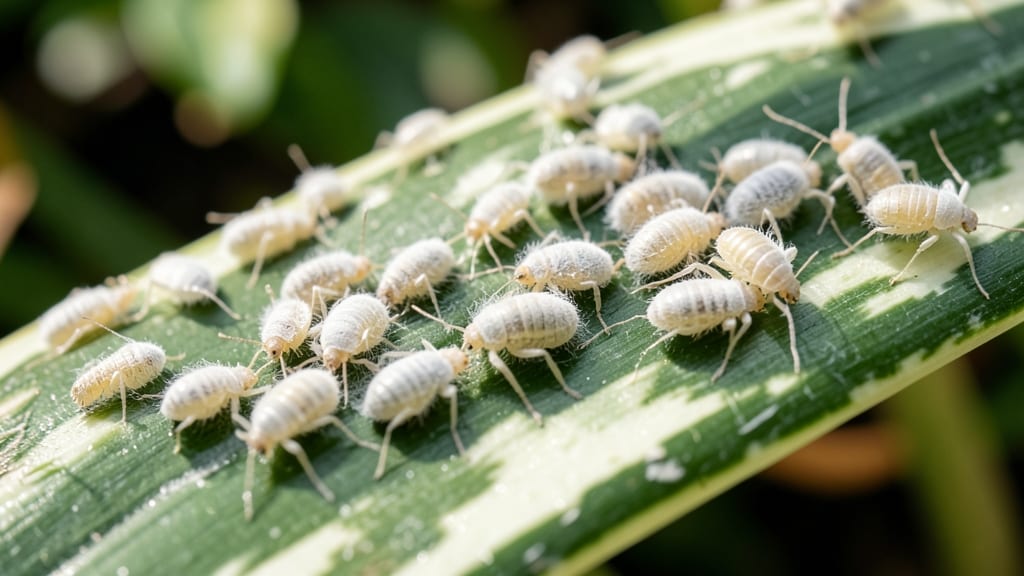
How to get rid of mealybugs on dumb cane—those tiny cotton-ball pests clinging to your plant’s stems—can be done quickly and effectively with a simple soapy water spray. 🌱 I’ve battled these pests on my own plants, and the soapy water spray method works faster than anything else I’ve tried—often dissolving entire colonies in minutes. The secret isn’t just soap—it’s the right concentration and technique. Most people over-dilute the solution or miss hidden bugs, which is why I’ll show you the exact mix and application method that actually works. You’ll need just a few household items and a little patience. After treatment, your plant will start showing signs of recovery within 24-48 hours: new growth will emerge, and the leaves will regain their glossy sheen. The key is consistency—repeat treatments until you’re sure the infestation is gone. This method is safe for indoor use, won’t harm your dumb cane, and keeps your other plants protected too. Let’s get rid of those pests for good!
Root Causes of Mealybug Infestations
Mealybugs on your Dumb Cane (Dieffenbachia) aren’t just random pests—they thrive because of specific environmental and plant-related factors. Understanding these causes is the first step to preventing future outbreaks. Let’s break down why these tiny, cotton-like invaders show up and multiply.
Mealybugs target stressed or weakened plants because they lack the natural defenses to repel or recover from infestations. Here’s why your Dumb Cane might be vulnerable:
- Nutrient Deficiencies: A lack of essential nutrients—especially nitrogen, phosphorus, or potassium—weakens the plant’s cell walls, making it easier for mealybugs to pierce and feed on sap. Yellowing leaves, stunted growth, or weak stems are red flags.
- Overwatering or Poor Drainage: Mealybugs love damp, soggy conditions. When soil stays too wet, it creates the perfect breeding ground for these pests while also promoting root rot, which further stresses the plant. 💡 Pro Tip: Ensure your Dumb Cane has well-draining soil and a pot with drainage holes.
- Pests or Diseases: If your plant has already battled spider mites, aphids, or fungal infections, it’s already compromised. Mealybugs exploit these vulnerabilities, moving in to feast on an already struggling host.
Mealybugs are opportunistic pests that thrive in specific conditions. If your home or garden matches their preferences, they’ll stick around—and multiply. Here’s what attracts them:
| Factor | Why It Attracts Mealybugs | How to Fix It |
|---|---|---|
| High Humidity | Mealybugs love humidity levels above 60%. The moisture helps them stay hydrated and speeds up their reproduction cycle. | Use a hygrometer to monitor humidity. Aim for 40-50% and use a dehumidifier or improve airflow with a fan. |
| Warm Temperatures | These pests thrive in temperatures between 70-85°F (21-29°C). Cooler climates slow them down, but indoor heating keeps them active year-round. | Avoid placing your Dumb Cane near heat sources like radiators or vents. Open windows occasionally for cooler air circulation. |
| Poor Air Circulation | Stagnant air traps moisture and CO₂, creating a cozy environment for mealybugs. Crowded plants or sealed greenhouses accelerate infestations. | Space out plants and use a small fan to gently circulate air. Avoid overcrowding in pots or shelves. |
Sometimes, mealybugs hitch a ride into your home or garden through unintentional human or animal actions. Here’s how it happens:
- Contaminated New Plants: The #1 way mealybugs spread is through infested cuttings, soil, or plants from nurseries, garden centers, or trades with other plant owners. Even a single mealybug can start a full-blown infestation.
- Pets or Wildlife: Birds, rodents, or even curious pets can transfer mealybugs from outdoor plants to your indoor Dumb Cane. Their fur or claws carry eggs or nymphs.
- Gardening Tools or Pots: Reusing pots, soil, or tools (like shears or trowels) without cleaning them can spread mealybugs from one plant to another. ✨ Key Action: Always sterilize tools with rubbing alcohol and repot in fresh, sterile soil.
Mealybugs don’t randomly choose plants—they’re drawn to species with thick, waxy leaves and sap-rich stems, which are exactly what Dumb Cane offers. Here’s why they’re so attracted:
- Sap Composition: Dieffenbachia contains high levels of sugars and amino acids in its sap, which mealybugs absorb through their piercing mouthparts. It’s like an all-you-can-eat buffet for them!
- Leaf Texture: The glossy, broad leaves of Dumb Cane provide ample surface area for mealybugs to cluster, especially in the leaf axils (where the leaf meets the stem).
- Slow-Growing Plants: Mealybugs prefer plants that grow slowly because they can’t outpace the pest’s feeding damage. If your Dumb Cane is struggling to grow, it’s an easy target.
🔥 Quick Fix: Prune heavily infested leaves immediately to remove mealybug hiding spots and encourage new, healthier growth.
Quick Fixes for Mealybug Mayhem
Mealybugs on your dumb cane (Dieffenbachia) might feel like an uphill battle, but with the right approach, you can banish them fast and keep your plant thriving. Below are targeted solutions based on the root causes—whether it’s poor hygiene, weak plants, or environmental stress—plus prevention tips to stop future infestations.
Let’s get your dumb cane back to its lush, pest-free glory!
---
Mealybugs thrive in dusty, neglected plants, so a deep clean is your first line of defense.
#### 🔥 Step-by-Step Soapy Water Spray 1. Mix your solution: Combine 1 tsp mild dish soap (like Dawn) with 1 quart of warm water. Avoid harsh chemicals—they can harm your plant.
2. Dampen a cloth or spray bottle: Use a soft cloth or spray bottle to apply the solution. For heavy infestations, spray directly on mealybugs (they’ll dissolve in minutes!). 3. Wipe down leaves: Gently rub the undersides of leaves (where mealybugs hide) with the soapy water.
Don’t forget the stems and nodes—their favorite hiding spots! 4. Rinse thoroughly: After 10–15 minutes, rinse with clean water to remove soap residue. 5. Repeat in 5–7 days: Mealybugs lay eggs, so reapply until no new bugs appear.
> 💡 Pro Tip: If mealybugs persist, increase soap concentration slightly (up to 2 tsp per quart) for stubborn cases.
---
A weak or stressed dumb cane is an open invitation for mealybugs. Strengthen your plant while treating the infestation.
#### 🌡️ How to Revitalize Your Plant - Isolate the plant: Move it away from other houseplants to prevent spreading. Mealybugs hitchhike on clothing, tools, and even air currents! - Prune damaged areas: Use sterilized scissors to cut off heavily infested leaves or stems.
Dispose of them in a sealed bag (not your compost). - Repot if needed: If the soil is compacted or diseased, repot into fresh, well-draining mix. Mealybugs love root-damaged plants! - Fertilize lightly: After treatment, feed with a balanced, diluted fertilizer (half-strength) to boost recovery.
Avoid over-fertilizing—it weakens roots.
> ✨ Prevention Hack: Mist your dumb cane regularly—mealybugs hate humidity! Aim for 50–60% humidity to deter future pests.
---
Mealybugs love stagnant, humid environments. Adjust your plant’s habitat to make it less inviting.
#### 🔄 How to Optimize Airflow & Humidity | Problem | Fix | |---------------------------|--------------------------------------------------------------------------| | Low airflow | Move to a bright, indirect spot with gentle breezes (e.g., near a fan on low). | | High humidity (above 70%) | Use a dehumidifier or improve ventilation (open windows occasionally). | | Dry air (below 40%) | Place a pebble tray with water nearby or use a humidifier. | | Crowded plants | Space out your plants—mealybugs jump!
Keep them 6+ inches apart. |
> 🎯 Long-Term Tip: Rotate your dumb cane weekly so all sides get even light and airflow. This prevents hidden infestations and uneven growth.
---
If mealybugs have taken over, you may need stronger measures.
#### 🍳 Natural Remedies (Safe & Effective) - Neem oil spray: Mix 1 tsp neem oil + 1 tsp mild soap + 1 quart water. Spray every 5 days until bugs vanish.
Neem disrupts their life cycle and smells great! - Rubbing alcohol (70%+): Dab cotton swabs directly on mealybugs—they’ll dissolve instantly. Best for small, localized outbreaks. - Ladybugs or lacewings: Release beneficial insects (available online) to eat mealybugs naturally. Ideal for long-term prevention.
#### 🔪 Chemical Treatments (Last Resort) If natural methods fail, try: - Insecticidal soap (75% fatty acids): Spray directly on bugs (follow label instructions). - Systemic insecticide (like imidacloprid): Soak roots in a diluted solution for severe cases. Use sparingly—it’s toxic to pets/kids.
> 🚨 Warning: Always test chemicals on a small leaf first and wear gloves when applying.
---
Once your dumb cane is mealybug-free, follow these easy habits to prevent reinfestation:
✅ Inspect new plants: Quarantine any new houseplants for 2 weeks before introducing them. ✅ Clean tools & pots: Wipe down pruners, pots, and trays with rubbing alcohol after each use. ✅ Wipe leaves monthly: Use a damp microfiber cloth to remove dust (mealybugs love it!). ✅ Monitor undersides: Check leaf undersides and stems weekly—early detection = easy fixes. ✅ Avoid overwatering: Let soil dry slightly between waterings—soggy soil attracts pests.
--- Final Thought: Mealybugs may be sneaky, but with soapy water, good hygiene, and a little plant TLC, you’ll have your dumb cane back to its stunning best in no time. 🌿✨
Frequently asked questions
Why do mealybugs keep coming back even after treatment?
Mealybugs often return because their eggs or nymphs hide in protected areas like leaf axils or under soil. Always treat every part of the plant, including stems and undersides, and repeat applications every 5-7 days for at least 2 weeks. Check soil for hidden bugs by gently sifting it.
Is soapy water safe for all parts of my dumb cane?
Yes, but use only mild dish soap (like Dawn) in small amounts (1 tsp per quart of water). Avoid harsh detergents or bleach, which can damage leaves. Always rinse thoroughly after 10-15 minutes to prevent residue buildup.
Can I use neem oil if I have pets or kids around?
Neem oil is generally safe when used properly, but keep pets and children away during application. Once dry (after 30 minutes of spraying), it’s non-toxic. Store neem oil in a locked cabinet and avoid inhaling the concentrated oil directly.
How do I know if my dumb cane is recovering from mealybugs?
Look for new growth at the top of stems and shiny, undamaged leaves within 2-4 weeks of treatment. Mealybug damage often shows as sticky residue ("honeydew")—if that disappears and no new bugs appear, your plant is recovering!
What should I do if mealybugs spread to other houseplants?
Isolate all infested plants immediately and treat them separately. Wipe down surfaces, tools, and your hands with 70% rubbing alcohol after handling each plant. Check nearby plants weekly—mealybugs spread quickly through contact or air currents.