
Pests
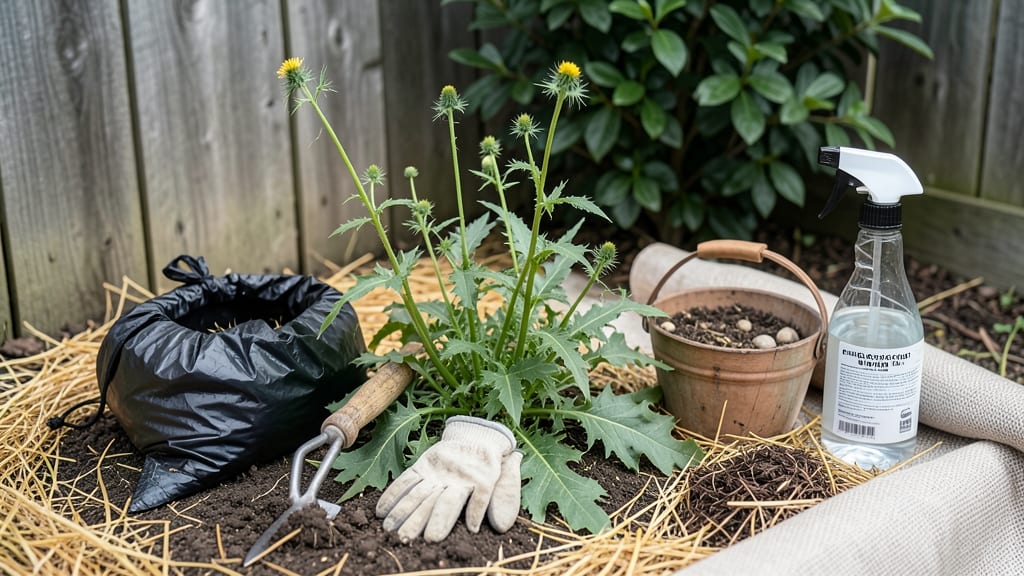
How to get rid of sow thistle—the garden weed that won’t quit—until you use this boil-and-pour shock treatment. I’ve wrestled with these spiky invaders for years, and this method finally gave me back control with just 10 minutes of work. The secret? Targeting the roots with scalding water to stop regrowth before it starts.
Most people pull sow thistle only to see it sprout again within weeks. That’s because you’re missing the roots—those deep, tapering things that hide just below the surface. This method kills them on contact, and the best part?
It’s chemical-free, works in any weather, and leaves your soil healthier than before. No fancy tools needed, just a pot of boiling water and a little elbow grease.
By the end of the process, your garden beds will be free of those jagged leaves and stubborn stems. The treatment works best on young plants, but even mature sow thistle won’t stand a chance.
You’ll notice new growth slow down within 24 hours, and the plants will wither completely in 3-5 days. The shock method also prevents seeds from forming, so you break the cycle entirely.
This approach works for both vegetable gardens and ornamental beds, and it’s especially effective in spring and fall when sow thistle is most active. The key is consistency—repeat the treatment if you spot any survivors, and you’ll have a weed-free space in no time.
Let’s get those stubborn plants out for good.
Root Causes Behind Invasion
Sow thistle (Sonchus oleraceus) isn’t just a random weed—it’s a highly opportunistic invader that thrives under specific conditions. Understanding why it takes over your garden, lawn, or farmland is the first step to stopping it.
Below, we break down the key triggers that turn your space into a sow thistle buffet.
Sow thistle seeds are lightweight, prolific, and designed to travel. Here’s why they’re so hard to contain:
- Wind-powered dispersion: A single plant can produce 150,000+ seeds that hitch rides on breezes, spreading up to 10 miles from the source. Their pappus (the fluffy parachute-like structure) keeps them airborne for weeks.
- Dormancy survival: Seeds can lie dormant in soil for 5–10 years, waiting for the perfect conditions to germinate. Disturbing the soil (tilling, construction, or even foot traffic) can wake them up en masse.
- Hitchhiking habit: Seeds cling to animals, clothing, machinery, and vehicles, turning your lawnmower or boots into unwitting delivery systems.
Pro tip: 💡 If you’ve had sow thistle before, assume seeds are buried deep—even "clean" soil can be a time bomb.
Sow thistle lives for chaos. It exploits any disruption to soil structure, whether natural or human-made:
- Tilling and cultivation: Turning soil aerates it, bringing dormant seeds to the surface where they germinate. No-till gardens? Still at risk—sow thistle seeds can lie just ½ inch deep and sprout when exposed.
- Construction and erosion: Bare, compacted, or freshly graded areas have zero competition for sow thistle. It’s the first green thing to pop up after a landslide, roadwork, or even a heavy rain.
- Weak turf or bare patches: Lawns with thin grass, bare soil, or poor drainage give sow thistle the perfect foothold. It outcompetes weak grasses by germinating in 3–7 days.
Key insight: 🌡️ Sow thistle thrives in temperatures between 50–85°F—spring and fall are its prime invasion seasons.
Water availability is a make-or-break factor for sow thistle growth. It’s adaptable but prefers:
- Moist, well-drained soil: Overwatered gardens or areas with poor drainage (like low spots in lawns) create ideal conditions. Sow thistle roots absorb water rapidly, outpacing slower-growing plants.
- Drought resilience: Once established, it tolerates dry spells better than many weeds, thanks to its deep taproot (up to 3 feet). This lets it survive in both wet and dry conditions.
- Irrigation runoff: Sprinklers or drip systems that create localized wet spots can trigger germination hotspots. Even one deep watering can wake up dormant seeds.
Warning: ⚠️ If your soil stays consistently moist (like in shaded or low-lying areas), sow thistle will treat it like an all-you-can-eat buffet.
Sow thistle hates competition—which is why it dominates monoculture landscapes (like vegetable gardens with single crops or lawns with just grass). Here’s why:
- Fast growth rate: It germinates in 3–5 days and grows 2–3 inches per week, shading out slower plants before they establish.
- Chemical warfare: Sow thistle releases allelopathic compounds that inhibit nearby seedlings, giving it an unfair advantage.
- Empty niches: Areas with no ground cover (like mulch-free beds or newly seeded lawns) leave gaps sow thistle immediately fills.
Solution: 🎯 Plant dense, diverse ground covers (clover, creeping thyme, or thick grass) to starve sow thistle of space and sunlight.
Now that you know why sow thistle shows up uninvited, the next step is smart prevention and aggressive eradication. The good news? With the right approach, you can starve it out before it takes over.
Solutions That Work Fast
Now that you know why sow thistle invades your garden, let’s tackle it head-on with effective, fast-acting methods tailored to your specific situation.
Whether it’s a stubborn patch in your lawn, a creeping menace in your vegetable beds, or an unwanted guest in your flower garden, these solutions will help you reclaim your space—without harsh chemicals (unless absolutely necessary).
Best for: Small patches, young plants, or when you want full control.
Sow thistle may look delicate, but its roots run deep—pulling it by hand requires patience and persistence. Here’s how to do it right:
- 🔥 Choose the Right Time
- Pull plants after rain when the soil is soft and moist (roots are easier to extract).
- Target young plants (they’re easier to remove than mature ones with deep taproots).
- 👨🍳 Dig Deep with Tools
- Use a hand trowel or garden fork to loosen the soil around the base.
- Grab the plant at the soil line (not the leaves) and wiggle it free—roots and all.
- Pro Tip: Wear gloves—sow thistle sap can irritate skin!
- 🗑️ Dispose Properly
- Do NOT compost—dig a hole and bury the roots deeply, or bag them for trash pickup.
- Why? Even small root fragments can regrow into new plants.
- ⏰ Repeat Weekly
- Sow thistle grows fast—check your garden weekly for new sprouts and pull them before they seed.
Best for: Large patches, stubborn infestations, or when you need fast results.
This high-heat method kills sow thistle on contact by denying it water and nutrients. It’s chemical-free, eco-friendly, and works in minutes.
📝 Step-by-Step Guide:
- 🌡️ Boil Water
- Fill a large pot, kettle, or even a watering can with water and bring it to a rolling boil.
- 🔥 Add Salt (Optional Boost)
- For extra effectiveness, stir in 1 tablespoon of salt per gallon of water (helps dry out roots faster).
- 💦 Pour Directly on Plants
- Target the base of the sow thistle—aim for the soil around the roots, not just the leaves.
- Use 1–2 cups per plant (for large patches, pour in a zigzag pattern).
- Repeat every 3–5 days until the area is clear.
- 🌱 Smother the Area (Prevent Regrowth)
- After treatment, cover the soil with cardboard or mulch to block sunlight and prevent new sprouts.
- Pro Tip: Use black plastic sheeting for 4–6 weeks to starve out remaining roots.
Best for: Medium-sized infestations where you want non-toxic control.
A homemade vinegar spray works by burning the foliage and disrupting the plant’s ability to photosynthesize. It’s fast, cheap, and safe for edible gardens (when used correctly).
📝 Recipe & Application:
| Ingredient | Amount | Purpose |
|---|---|---|
| White vinegar | 1 gallon | Kills plant tissue |
| Dish soap | 1 tbsp | Helps solution stick to leaves |
| Optional: Salt | 1 tbsp | Enhances effectiveness |
🔹 How to Use:
- Mix ingredients in a spray bottle or pump sprayer.
- Spray thoroughly (both top and underside of leaves) on a sunny day (sunlight intensifies the burn).
- Reapply every 3–4 days until plants wilt and die.
- Pull remaining roots after 1–2 weeks.
⚠️ Warning: This method won’t kill roots—it’s best used alongside manual removal for full eradication.
Once you’ve cleared your garden, keep sow thistle from returning with these long-term strategies:
- 💡 Mulch Heavily
- Apply 3–4 inches of mulch (straw, wood chips, or grass clippings) to block sunlight and prevent seeds from germinating.
- 🌡️ Solarize the Soil (For Extreme Cases)
- Cover the treated area with clear plastic sheeting for 4–6 weeks in hot sun. The trapped heat cooks remaining roots and seeds.
- 🌱 Plant Competitive Ground Covers
- Sow thistle struggles to compete with dense ground covers like clover, creeping thyme, or living mulches.
- 🕵️ Scout Regularly
- Check your garden weekly—pull new sprouts immediately before they go to seed.
- 🚫 Avoid Over-Fertilizing
- Sow thistle thrives in rich, nitrogen-heavy soil. Use balanced or slow-release fertilizers to discourage its growth.
If sow thistle keeps coming back despite your best efforts, it may be time to escalate: - 🌿 Professional Herbicide (Last Resort) - If the infestation is severe, a targeted glyphosate application (by a licensed pro) may be necessary. Spot-treat only—avoid spraying edible plants. - 🏡 Soil Testing - Sometimes, sow thistle indicates poor drainage or compacted soil.
A soil test can help you fix underlying issues.
Final Thought: Sow thistle is annoying but beatable—with consistency and the right methods, you can eliminate it for good. Start with manual removal and boil-and-pour, then prevent regrowth with mulch and vigilance. Your garden will thank you! 🚀
Frequently asked questions
Why does sow thistle keep coming back after I pull it?
Sow thistle has deep taproots that can regrow from even small fragments left in the soil. Plus, one plant produces 150,000+ seeds that lie dormant for years. Always remove the entire root and avoid composting—bury it deeply instead.
Is boiling water safe for my garden plants?
When used carefully, boiling water targets only the sow thistle roots without harming nearby plants. Aim the water directly at the base of the weed and avoid spraying healthy vegetation. For extra safety, apply mulch afterward to protect soil moisture.
Can I use vinegar to kill sow thistle in my vegetable garden?
Yes, but with caution! A vinegar spray (1 gallon vinegar + 1 tbsp dish soap) works on mature plants, but it won’t kill roots. For edible gardens, combine it with manual removal to prevent regrowth. Test a small area first—vinegar can harm some plants.
How long does it take for the boil-and-pour method to work?
You’ll see results within 24–48 hours—plants will wilt and turn brown. For complete eradication, repeat the treatment every 3–5 days until the area is clear. The heat disrupts the plant’s ability to absorb water, killing it from the roots up.
Will mulching alone stop sow thistle from growing?
Mulching helps prevent new seeds from germinating but won’t kill existing plants. For best results, combine 3–4 inches of mulch with manual removal or the boil-and-pour method. Solarizing the soil (covering with plastic for 4–6 weeks) can also eliminate dormant seeds.