
Pests
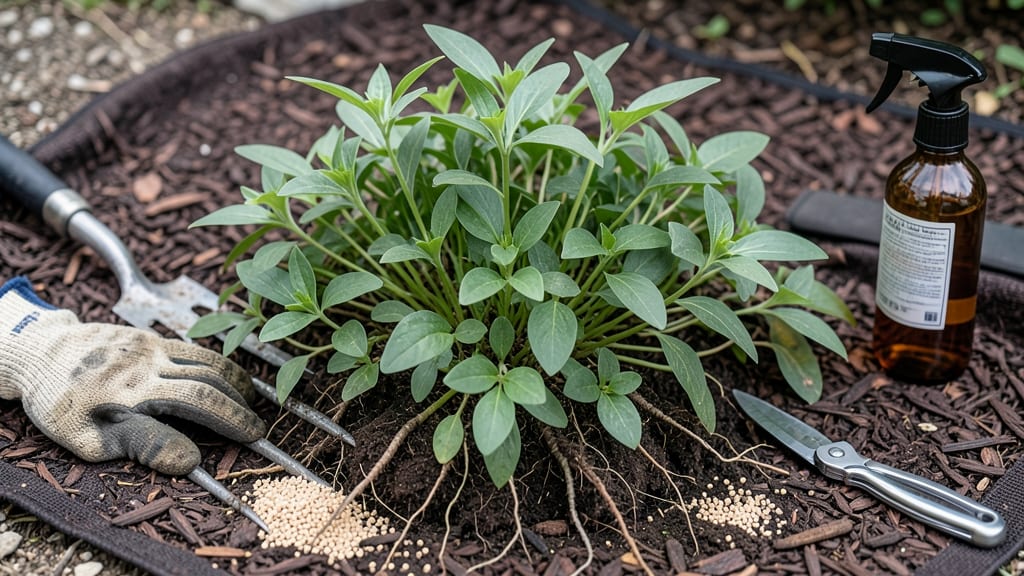
How to get rid of spiderwort—the garden weed that refuses to quit—until you use this boil-and-pour trick. 🌱 I’ve pulled clumps by hand for years, only to watch new shoots pop up weeks later. The secret? A scalding vinegar-salt barrier that smothers those stubborn roots before they regrow. This method works in one afternoon with supplies you already have: white vinegar, salt, and boiling water. No digging required—just pour, wait, and watch the plant wither at the roots. The key is hitting the soil where the roots spread, not just the leaves. By next week, you’ll see crispy brown patches where spiderwort once thrived. The roots rot without sunlight, and new growth stays away for months—no more sneaky regrowth. It’s brutal but effective, and your garden will thank you. Works for lawns, borders, or containers. Just avoid pouring near desirable plants—the salt can linger. Here’s the exact mix and technique to make it work every time.
Root Causes Of Invasion
Spiderwort (Tradescantia spp.) isn’t just an accidental garden guest—it’s a persistent intruder with specific reasons for taking over your lawn, flower beds, or even indoor spaces. Understanding these causes is the first step to stopping its spread.
Let’s break down why this plant becomes such a nuisance and how its biology fuels its dominance.
Spiderwort thrives because it grows relentlessly fast. Here’s how its biology works against you:
- Rhizomatous roots: Unlike many plants, spiderwort spreads via underground rhizomes—horizontal stems that store nutrients and produce new shoots. These can extend 10+ feet in a single growing season, creating a dense, interconnected network that’s nearly impossible to uproot manually.
- Rapid shoot production: A single plant can generate dozens of new shoots from its rhizomes, forming thick mats that choke out grasses, flowers, and other plants. In ideal conditions, it can double its coverage in just 30 days.
- Shade tolerance: While it prefers full sun, spiderwort adapts to partial shade, making it a problem in wooded areas, under decks, or near fences where other plants struggle to compete.
💡 Pro Tip: If you’ve ever pulled spiderwort and seen more regrow within weeks, those are the rhizomes at work. The only way to stop them is to smother the roots entirely.
Spiderwort doesn’t just spread—it thrives in conditions most gardeners overlook. Here’s what gives it the upper hand:
| Factor | Why It Helps Spiderwort |
|---|---|
| Moist, well-drained soil | Spiderwort hates drought but also drowns in waterlogged soil |
| Rich, nitrogen-heavy soil | Fertilizer runoff or compost piles create the perfect fuel for its rapid growth. |
| Disturbed or compacted soil | Construction, foot traffic, or even tilling can fragment rhizomes, causing them to spread faster. |
| Lack of competition | If your lawn or garden is thin or patchy, spiderwort fills the gaps like a vacuum. |
🌡️ Climate Boost: In warm, humid climates (Zones 5–10), spiderwort grows year-round. Even in cooler regions, it returns stronger every spring if left unchecked.
More often than not, we’re the reason spiderwort takes over. Here’s how:
- Unintended transport: Rhizome fragments stick to shoes, tools, or pets and hitchhike to new areas. Even a tiny piece can regrow into a full plant.
- Improper disposal: Tossing pulled spiderwort into compost or yard waste doesn’t kill the rhizomes. They survive decomposition and re-emerge.
- Over-fertilizing: Excess nitrogen (from lawn food or manure) supercharges growth, making spiderwort outcompete desirable plants.
- Ignoring early signs: Small patches left untreated become dense colonies in just one growing season.
⚠️ Warning: If you’ve ever moved soil or mulch from an infested area, you’ve likely unwittingly spread spiderwort to new spots.
Now that you know why spiderwort invades, the next step is cutting off its lifeline—starting with its roots. The boil-and-pour method is the most effective way to smother rhizomes permanently.
Practical Ways to Remove Spiderwort
Now that you understand why spiderwort thrives in your yard, it’s time to take action! Whether it’s popping up in your garden beds, lawn, or along fences, these targeted solutions will help you eliminate it—fast.
Below, we’ve mapped out the best fixes based on the root causes (literally!) and included prevention tips to keep it from staging a comeback.
Best for: Small patches or early-stage infestations.
Spiderwort spreads via underground rhizomes, so digging it out is key—but do it right to avoid regrowth.
- 👨🍳 Pull at the Right Time
- Wait for soil to be moist (after rain or watering) to loosen the roots.
- Grasp the plant as close to the base as possible and pull upward with a firm tug.
- 🔪 Check for Rhizomes
- If chunks of root break off, dig deeper (6+ inches) to uncover the creeping rhizomes.
- Use a hand trowel or garden fork to pry them out—every piece counts!
- 🗑️ Dispose Properly
- Do NOT compost—toss infested plants in the trash (or sealed bags) to prevent regrowth.
- Pro tip: Rinse tools with vinegar or bleach solution (1:10 ratio) to kill lingering spores.
✨ Prevention: After removal, mulch the area with cardboard or landscape fabric to block light and smother any missed rhizomes.
Best for: Established patches or stubborn clusters.
This high-heat technique kills spiderwort by cutting off its oxygen supply—just like the article’s headline suggests!
- 🔥 Boil Water + Salt or Vinegar
- Mix 1 gallon of boiling water with 2 cups of salt OR 1 cup of white vinegar.
- Let the solution cool slightly (to avoid scorching plants you want to keep).
- 💦 Pour Directly Over the Plant
- Focus on the base and rhizome zones—aim for saturated soil.
- Repeat every 3–5 days for 2–3 weeks until the area turns brown and crispy.
- 🌱 Follow Up with Mulch
- After treatment, cover the area with black plastic or thick mulch for 4–6 weeks to starve remaining roots.
💡 Pro Tip: Test a small area first if you’re near desirable plants—vinegar can be harsh on some foliage.
Best for: Eco-friendly yards or areas with kids/pets.
If you prefer chemical-free solutions, these plant-based or homemade sprays work well:
| Method | How to Use | Reapply Every |
|---|---|---|
| Corn Gluten Meal | Spread 1 lb per 100 sq ft over moist soil in early spring. | 3–4 months |
| Vinegar + Dish Soap | Mix 1 gallon vinegar + 1 tbsp soap in a spray bottle. Apply on sunny days. | 5–7 days |
| Essential Oil Spray | Combine 1 cup water + 1 tbsp clove or citrus oil + 1 tsp soap. Spray foliage. | 3–5 days |
⚠️ Warning: Natural herbicides require consistent application—they won’t kill rhizomes instantly like boiling water.
Once spiderwort is gone, keep it from creeping back with these habits:
- 🌱 Monitor Soil pH: Spiderwort loves acidic soil (pH 5.0–6.5).
Test your soil and amend with lime if needed. - 🌿 Improve Drainage: It thrives in wet areas—fix soggy spots with sand or gravel. - 🔄 Rotate Plantings: Avoid planting host-friendly perennials (like daylilies or ferns) near treated areas. - 🚫 Stay Vigilant: Check for new shoots in spring—pull them immediately before they spread.
Final Thought: Spiderwort is tough, but combining manual removal with the boil-and-pour method gives you the best shot at permanent eradication. For stubborn cases, repeat treatments and preventive mulching will keep your yard spiderwort-free for good!
Frequently asked questions about removing spiderwort
Why does pulling spiderwort just make it grow back?
Spiderwort spreads through rhizomes—underground stems that store nutrients and produce new shoots. When you pull the plant, you often leave behind fragments of these rhizomes, which quickly regrow into new plants. The only way to stop it is by targeting the roots with methods like the boil-and-pour technique or smothering them with mulch.
Is vinegar safe to use on lawns or near other plants?
Vinegar is effective but can harm nearby plants if not used carefully. Always test a small area first, and avoid spraying on desirable plants or grass. For lawns, focus the vinegar-salt solution directly on the spiderwort base and water the surrounding area afterward to dilute any stray acid.
How long does it take for the boil-and-pour method to work?
The solution starts working immediately, but you’ll need to see full results in 2–3 weeks with consistent applications every 3–5 days. The roots rot when deprived of sunlight and nutrients, and the area should turn brown and crispy. For stubborn patches, extend the treatment to 4–6 weeks with mulch afterward.
Can I use herbicides instead of natural methods?
Yes, glyphosate-based herbicides can kill spiderwort, but they also harm other plants and soil organisms. For targeted use, apply a spot treatment directly to the foliage, following label instructions. However, natural methods like the boil-and-pour technique are safer for eco-friendly yards and avoid chemical runoff.
Will spiderwort come back after I’ve removed it?
If you’ve missed even a tiny rhizome fragment, yes—it can regrow. To prevent recurrence, mulch the treated area with cardboard or black plastic for 4–6 weeks to block light and starve remaining roots. Afterward, monitor the area for new shoots and pull them immediately. Vigilance is key!