
Pests
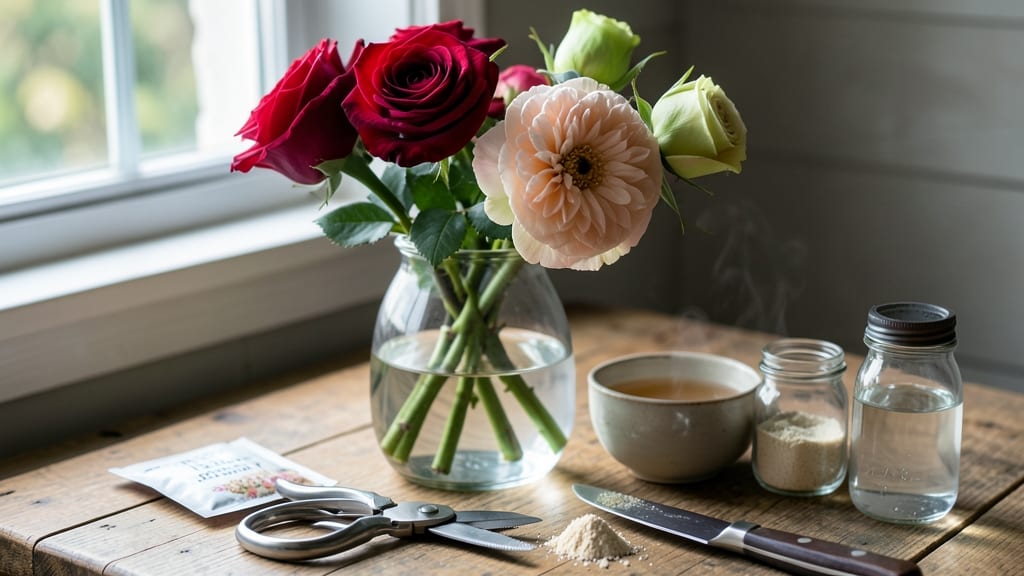
Learn how to get roses to open in a vase—don’t toss those wilted blooms yet! 🌹 I’ve rescued countless drooping stems by addressing the real reasons they refuse to open: poor stem prep, stale water, or bad timing. The key is working with the flower’s natural instincts, not against them.
Start with a clean cut at a 45-degree angle—just above a leaf node—and place stems in lukewarm water (cold shocks them, hot water cooks them). Add a pinch of sugar for energy and a splash of bleach (1/4 tsp) to prevent bacteria.
Most roses need 3-5 days to perk up, but light and warmth speed it up.
Move the vase to bright, indirect light (no direct sun, which overheats them) and keep the water topped off. If buds stay closed, they might be too far along—pick them before they open next time. The payoff? Roses that last 10+ days with vibrant petals, not sad, limp stems.
For stubborn blooms, try a budding hormone spray (available at garden centers) or a warm bath for the vase to loosen tight buds. Avoid overcrowding stems—they compete for water. With these tweaks, even "dead" roses can make a stunning comeback.
📚 In This Guide
- What you need
- Instructions
- Tips and common mistakes
- Wrapping up and next steps
What you need
- ● Freshly cut roses – Choose stems that are at least 12–18 inches long for better water absorption.
- ● Clean vase or container – Size should hold at least 1 inch of water per stem (e.g., a 6-inch vase for 3–4 stems).
- ● Sharp floral scissors or pruning shears – Avoid dull knives to prevent crushing stems.
- ● Room-temperature water – Never use cold water—it shocks the stems.
- ○ Floral preservative (optional but recommended) – Look for commercial mixes or DIY with 1 tsp sugar + 1 tsp bleach (unscented) per quart of water.
- ● Rubbing alcohol (70% isopropyl) – 1–2 drops per vase to kill bacteria.
- ● Aspirin or vitamin C tablet – Crushed and dissolved in water to boost stem health.
- ● Newspaper or dark paper bag – For overnight stem hydration (see tips!).
- ○ Food coloring (optional) – For custom-colored water (use sparingly!).
- ● Hydrogen peroxide (3%) – 1 tsp per quart of water to disinfect and oxygenate.
Step-by-Step instructions for reviving wilted roses in a vase
Here's how to breathe new life into drooping roses—fast and without fancy tools.
💧 Step 1: Trim the Stems and Rehydrate Immediately
First, cut the stems at a 45-degree angle about 2 inches above the base using sharp scissors or pruners. This creates a larger surface area for water uptake. Place the roses in a bucket of lukewarm water (around 70-75°F) for at least 1 hour. The warmth helps open the stem cells so they can drink up water again.
I know it seems counterintuitive to cut them again, but those old stems are clogged with air bubbles that block water flow. If the stems were previously in a vase, trim them even lower—sometimes you’ll find the bottoms are mushy or dried out. This step alone can make a huge difference within 30 minutes.
✂️ Step 2: Clean the Vase Thoroughly
Before putting the roses back in, wash the vase with hot, soapy water to remove any bacteria or algae that could prevent the flowers from drinking. I like to add a splash of white vinegar to the water while cleaning—it kills bacteria and keeps the vase fresh. Rinse it well and let it dry completely before adding fresh water.
If your vase has a narrow neck, soak it in the bucket of lukewarm water while you’re trimming the stems. This ensures it’s ready to go when you’re done. A clean vase is non-negotiable—dirty water is the #1 reason roses stay wilted even after trimming.
🌿 Step 3: Use the Right Water and Food
Fill the vase with room-temperature water (never cold) and add 1 teaspoon of sugar and 1/4 teaspoon of bleach per quart of water. The sugar feeds the flowers, while the bleach keeps bacteria at bay. Stir gently to dissolve everything. You’ll see tiny bubbles form—that’s the sugar activating, which helps the roses perk up faster.
Here’s the thing—most people skip the bleach, and that’s why their roses last only a day or two. The bleach isn’t harmful to the flowers; it just prevents the water from turning gross quickly. Change the water every 2 days to keep the roses fresh longer.
☀️ Step 4: Position and Care for Maximum Longevity
Place the vase in a spot with indirect light—direct sunlight can overheat the water and cause the roses to wilt again. A kitchen counter or bathroom away from radiators works perfectly. Avoid drafts, like near an open window or AC vent, which can stress the flowers.
Check the water level daily and top it off as needed. If you notice the petals starting to curl again, trim the stems another 1/2 inch and give them a fresh drink. Within 4-6 hours, you should see the buds begin to plump up and the petals start to unfurl. Patience is key—don’t rush it!
Tips & tricks for reviving wilted roses
These quick tricks will have your roses looking fresh in no time—no special tools required!
The Angle Matters: When trimming stems at a 45-degree angle in Step 1, aim for clean cuts about 2 inches up. This isn't just about looks—it creates more surface area for water absorption. I've seen roses perk up in just 30 minutes when this step is done right. Use sharp scissors to avoid crushing the stems, which can block water flow.
Time-Saving Trick: While your stems soak in lukewarm water (70-75°F) for the full hour in Step 1, use that time to clean your vase thoroughly. A dirty vase is the #1 reason roses stay wilted. Soak it in the same bucket of water while you work—it's ready to go when you are. This multitasking saves you precious minutes while ensuring everything's prepped properly.
Bleach Secret: That tiny amount of bleach (1/4 teaspoon per quart) in Step 3 isn't just for cleanliness—it's a game-changer. Most people skip it, but it prevents bacterial buildup that causes roses to wilt again within 24 hours. The bleach dissolves completely and won't harm your flowers, but it will extend their life dramatically. Think of it as a tiny insurance policy for your vase water.
Light Positioning: For Step 4, indirect light is key—but don't just place your vase anywhere. The best spots are kitchen counters or bathrooms away from direct sunlight. I've noticed roses placed near windows with afternoon sun tend to wilt faster because the water heats up too quickly. A north-facing windowsill is ideal if you have one available.
Pro Tips for Get Roses To Open In A Vase
- These quick tricks will have your roses looking fresh in no time—no special tools required!
- The Angle Matters: When trimming stems at a 45-degree angle in Step 1, aim for clean cuts about 2 inches up.
- Time-Saving Trick: While your stems soak in lukewarm water (70-75°F) for the full hour in Step 1, use that time to clean your vase thoroughly.
Frequently asked questions
Got questions about keeping your roses fresh and blooming? We’ve got answers!
Why won’t my roses open even after trimming the stems?
Roses may resist opening if they’re too mature (already bloomed) or stressed from poor hydration. Check for air bubbles in the stems—re-cut them under water to refresh the flow. Also, ensure they’re in a cool spot (not direct sunlight) and change the water every 2–3 days to prevent bacterial buildup.
How long does it take for roses to open in a vase?
Most roses take 24–72 hours to open fully, depending on the variety and care. Hybrid teas and grandifloras often bloom faster (1–2 days) than climbers or shrub roses. If they’re still closed after 3 days, they may be past their prime—try a new bouquet!
Can I use tap water or do I need special rose food?
Tap water works, but rose-specific food (like floral preservatives) speeds up opening by providing sugar and nutrients. For a DIY fix, mix 1 tsp sugar + 2 drops bleach (to prevent bacteria) per quart of warm water. Avoid cold water—it shocks the stems!
What if my roses start opening but then wilt again?
This usually means blocked stems or bacterial growth. Re-cut stems at a 45° angle, soak in warm water for 10 minutes, and replace the vase solution. Keep them away from fruit (ethylene gas speeds wilting) and avoid overcrowding—each rose needs space to breathe!
Are there any household items that can help roses open faster?
Yes! Try these tricks:
- Apple cider vinegar: 1 tbsp per quart of water (acidic pH keeps stems open).
- Aspirin: Crush 1 tablet in water (reduces stress and extends vase life).
- Honey: 1 tsp per quart (natural sugar feeds blooms).
Wrapping up and next steps
With these simple yet effective tricks, you’ve got everything you need to coax your roses back to life and enjoy their full, fragrant beauty! 🌹 Whether it’s trimming stems, using warm water, or adding a splash of sugar, small adjustments make a big difference.
Don’t let wilted blooms dim your space—give them the care they deserve, and they’ll reward you with vibrant, lasting color.
Ready to put your new skills to the test? Grab a vase, pick your favorite roses, and start experimenting today! Your future bouquets will thank you. 💐✨